SanDisk
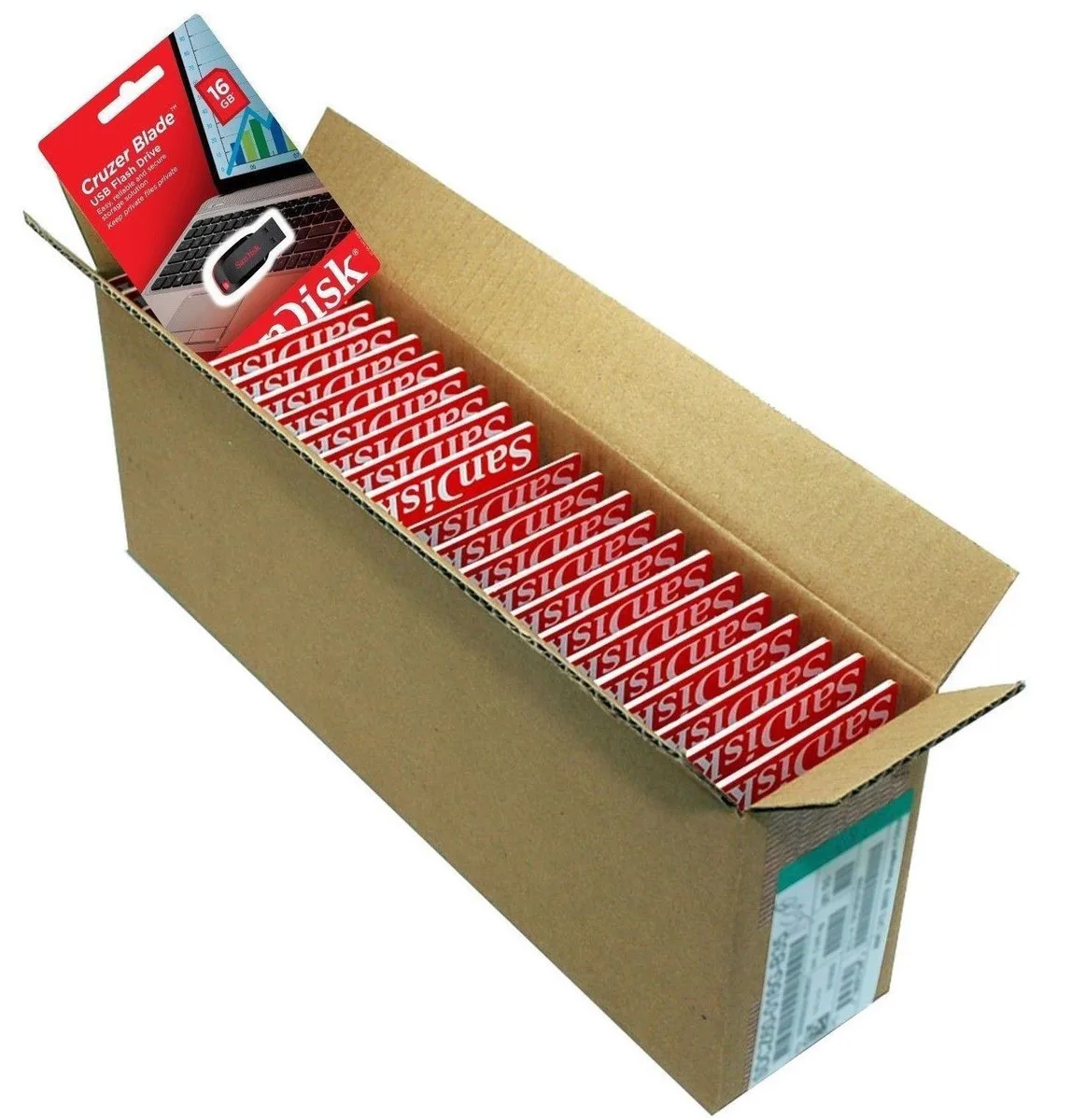
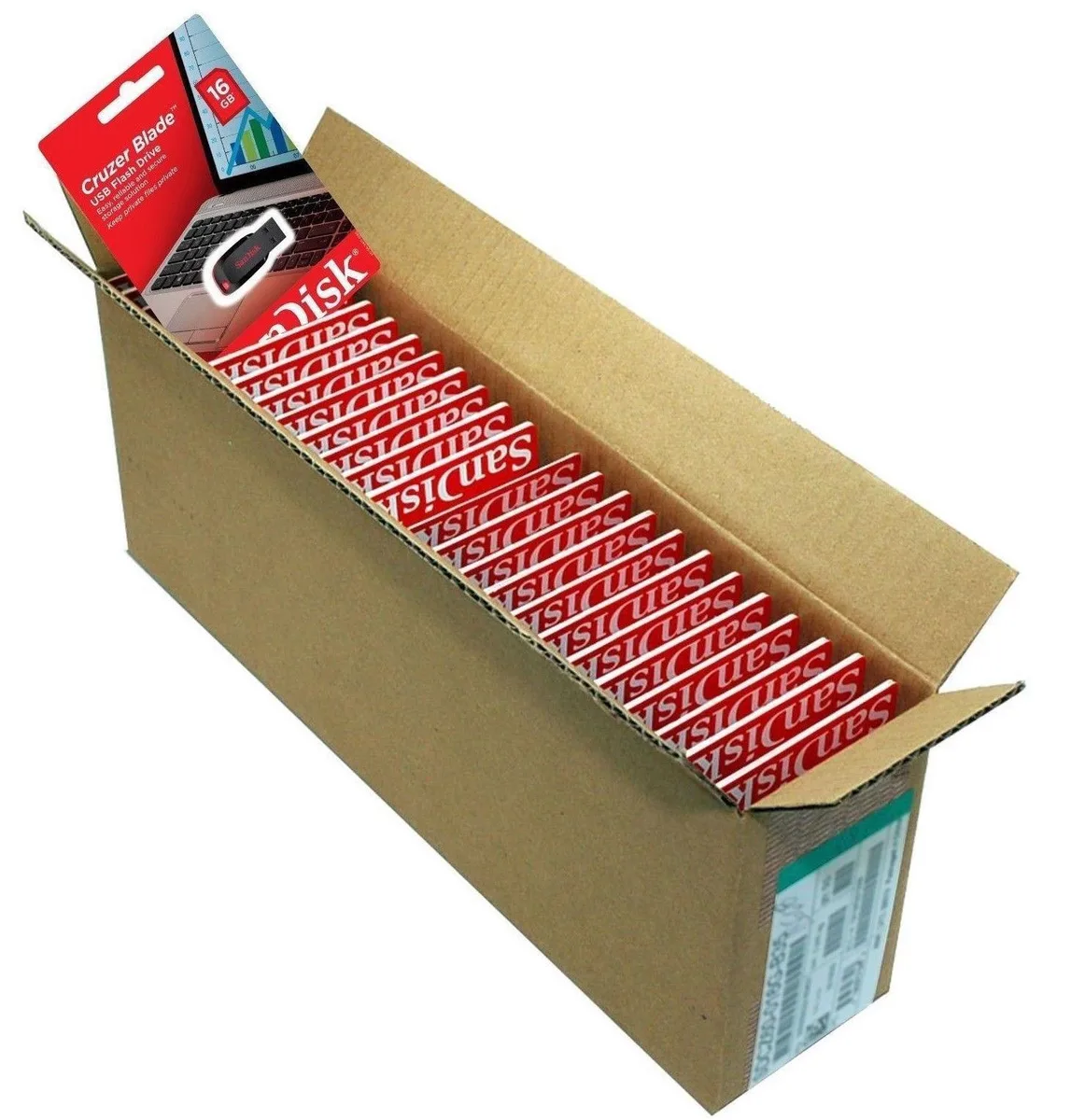
SanDisk Cruzer Blade 8 GB USB 2.0 USB flash drive Black SDCZ50-008G-B35
391.99 US$
0.00501407BTC
متوفرنقبل الدفع بالعملة المشفرة — لذلك يمكن للعملات الرقمية التي تملكها أن تشتري أجهزة حقيقية.ادفع بالعملة المشفرة، وأنفقها على أجهزة حقيقية. شحن مؤمن مجانا إلى كل أنحاء العالم لما يتجاوز 399 US$. صناديق شحن بسيطة بلا علامة تجارية، ترسل من ألمانيا.شحن مؤمن مجانا لما يتجاوز 399 US$. يُقفل سعرك لمدة 30 دقيقة بمجرد فتح صفحة الدفع.السعر مقفل لمدة 30 دقيقة. كل قطعة مختومة، ورقمها التسلسلي متحقق منه، ومشمولة بضمان 24 شهرا.مختوم، وبضمان 24 شهرا.


Pimoroni
A 5x5 RGB LED matrix breakout with 25 individually addressable pixels controlled via I2C at addresses 0x74 or 0x77, compatible with Raspberry Pi and Arduino
The Pimoroni PIM435 is a compact development board that carries a 5x5 grid of RGB LEDs driven by an IS31FL3731 chip. It connects through I2C at address 0x74, with a cuttable trace to shift to 0x77. The board works at 3.3 V or 5 V and includes reverse polarity protection. A Python library and examples are supplied for Raspberry Pi and Arduino.
This board suits hobbyists who want a small, addressable display for environmental readings such as temperature or pressure from compatible sensors. It plugs directly onto the bottom-left GPIO pins of any Raspberry Pi model once the included right-angle female header is soldered. Builders needing higher resolution graphics, video output, or wireless connectivity should consider other display options.
The single specification that decides fit is the selectable I2C address: the default 0x74 can be changed to 0x77 by cutting a trace on the board. This allows two matrices to share the same bus without conflict. If your project requires only one matrix or uses a different address scheme, the feature is optional but does not prevent use.
لا توجد مواصفات منشورة لهذا المنتج بعد.
The 5x5 grid provides 25 individually addressable RGB LEDs in a 15x15mm active area with 3.5mm pitch, suitable for simple graphics, sensor readouts or scrolling text.
The IS31FL3731 driver uses I2C at 0x74 by default; cutting the onboard trace changes it to 0x77 so two matrices can share the same bus without address conflict.
Solder the supplied right-angle female header to the breakout, then press it onto the bottom-left five GPIO pins (1, 3, 5, 7, 9) for a direct, solderless Pi connection.
أيضًا في هذا القسم
نفس القسم، ونفس صفحة الدفع — ثماني عملات رقمية وقفل سعر لمدة 30 دقيقة.
ما تدفعه، وما تُعرض به الأسعار.
يُرسَل من محفظتك عند إتمام الطلب
للعرض فقط — أسعار الكتالوج بالدولار الأمريكي
لا توجد عملة مطابقة.
اختر اللغة التي يخاطبك بها الموقع.
لا توجد لغة مطابقة.
هل أنت جديد هنا؟
لديك حساب بالفعل؟
لا توجد إعادة تعيين تلقائية: هذا المتجر لا يُرسل أي بريد، فلا يوجد رابط لمرة واحدة يمكن طلبه. اترك العنوان في الحساب، وسيُعالَج الأمر يدويًا.
تم تسجيل الطلب
لا شيء في طريقه إلى بريدك الوارد — هذا المتجر لا يُرسل أي بريد إطلاقًا. يتولّى أحدهم معالجة هذه الطلبات يدويًا.
تذكّرتها؟