SanDisk
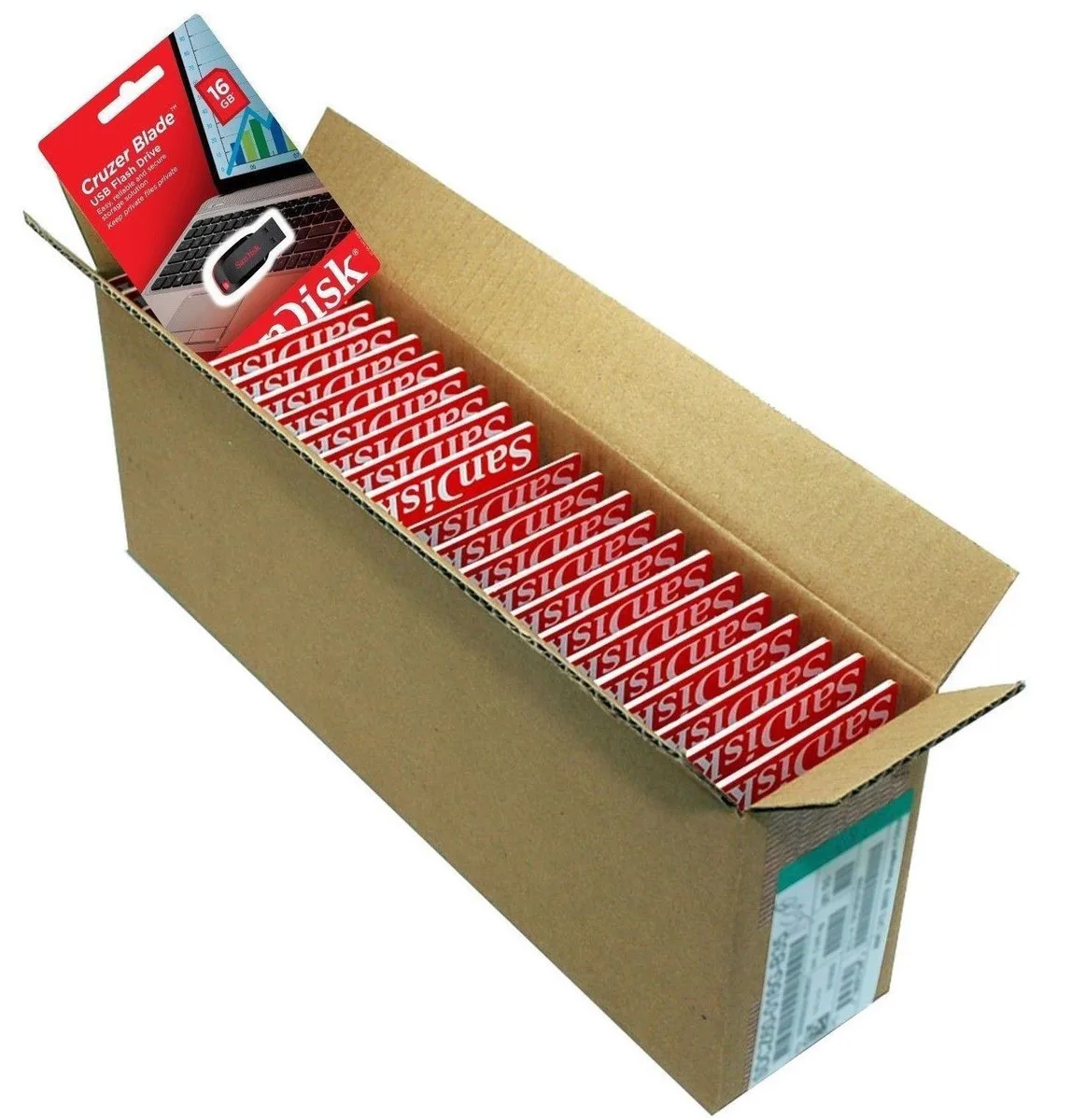
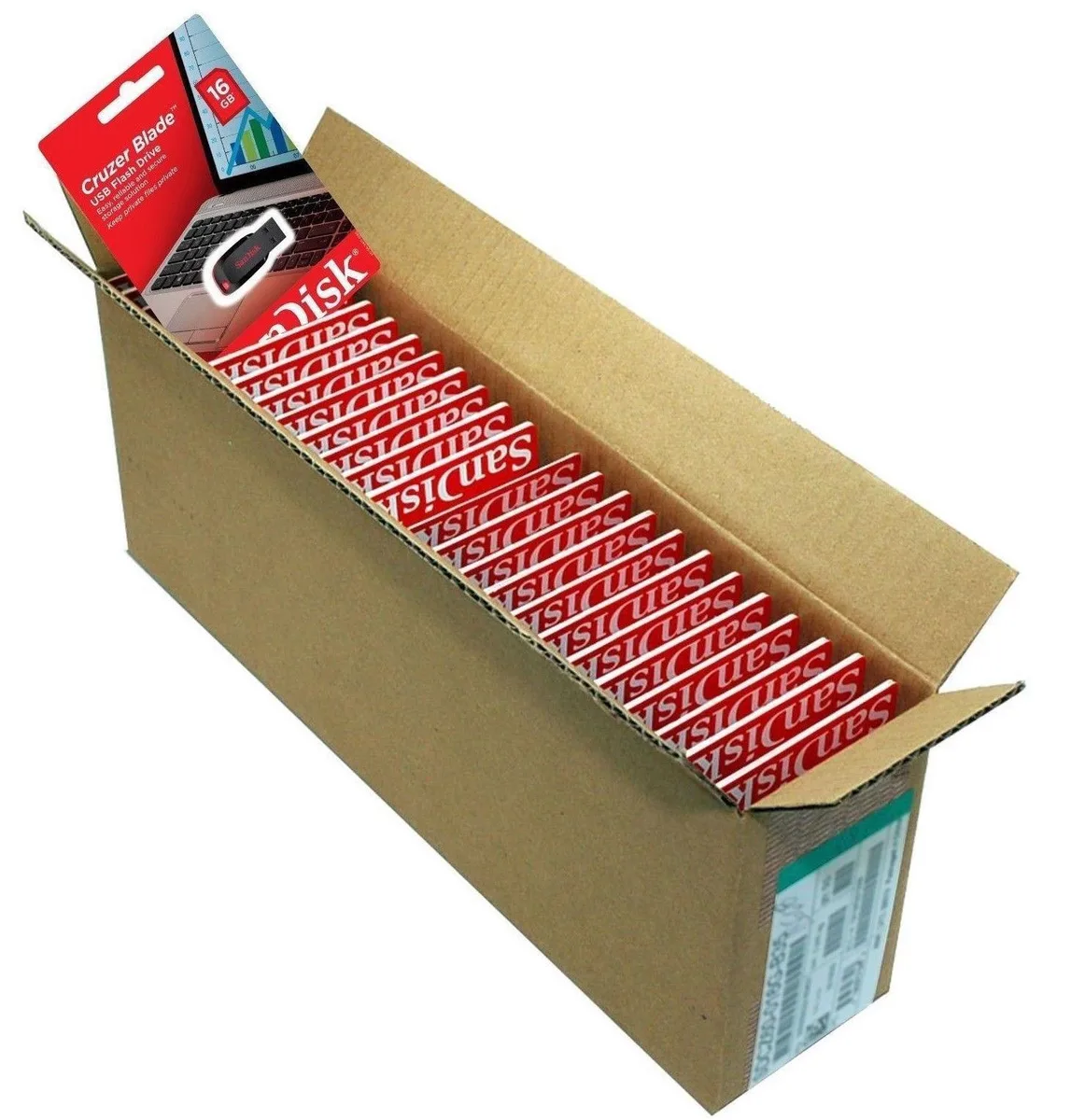
SanDisk Cruzer Blade 8 GB USB 2.0 USB flash drive Black SDCZ50-008G-B35
391,99 $US
0.00501023BTC
En stockNous acceptons la cryptomonnaie — les cryptos que vous détenez peuvent ainsi acheter du matériel réel.Payez en crypto, dépensez-la en matériel réel. Livraison assurée offerte partout dans le monde au-delà de 399 $. Cartons neutres, sans marque, expédiés depuis l’Allemagne.Livraison assurée offerte au-delà de 399 $. Votre taux est bloqué pendant 30 minutes dès l’ouverture de la caisse.Taux bloqué 30 minutes. Chaque article est scellé, son numéro de série est vérifié, et il est couvert par une garantie de 24 mois.Scellé, garanti 24 mois.


Pimoroni
A 5x5 RGB LED matrix breakout with 25 individually addressable pixels controlled via I2C at addresses 0x74 or 0x77, compatible with Raspberry Pi and Arduino
The Pimoroni PIM435 is a compact development board that carries a 5x5 grid of RGB LEDs driven by an IS31FL3731 chip. It connects through I2C at address 0x74, with a cuttable trace to shift to 0x77. The board works at 3.3 V or 5 V and includes reverse polarity protection. A Python library and examples are supplied for Raspberry Pi and Arduino.
This board suits hobbyists who want a small, addressable display for environmental readings such as temperature or pressure from compatible sensors. It plugs directly onto the bottom-left GPIO pins of any Raspberry Pi model once the included right-angle female header is soldered. Builders needing higher resolution graphics, video output, or wireless connectivity should consider other display options.
The single specification that decides fit is the selectable I2C address: the default 0x74 can be changed to 0x77 by cutting a trace on the board. This allows two matrices to share the same bus without conflict. If your project requires only one matrix or uses a different address scheme, the feature is optional but does not prevent use.
Aucune caractéristique publiée pour cet article pour l’instant.
The 5x5 grid provides 25 individually addressable RGB LEDs in a 15x15mm active area with 3.5mm pitch, suitable for simple graphics, sensor readouts or scrolling text.
The IS31FL3731 driver uses I2C at 0x74 by default; cutting the onboard trace changes it to 0x77 so two matrices can share the same bus without address conflict.
Solder the supplied right-angle female header to the breakout, then press it onto the bottom-left five GPIO pins (1, 3, 5, 7, 9) for a direct, solderless Pi connection.
Également dans ce rayon
Même rayon, même caisse — huit monnaies et un taux bloqué 30 minutes.
Ce que vous envoyez, et ce dans quoi vous lisez les prix.
Envoyé depuis votre portefeuille à la caisse
Affichage seul — le catalogue est libellé en dollars
Aucune monnaie ne correspond.
Choisissez la langue dans laquelle le site vous parle.
Aucune langue ne correspond.
Première visite ?
Vous avez déjà un compte ?
Il n’y a pas de réinitialisation automatique : cette boutique n’envoie aucun e-mail, il n’existe donc aucun lien à usage unique à demander. Laissez l’adresse sur le compte, elle sera traitée à la main.
Demande enregistrée
Rien n’arrivera dans votre boîte de réception — cette boutique n’envoie aucun e-mail. Quelqu’un s’en occupe à la main.
Vous l’avez retrouvé ?