SanDisk
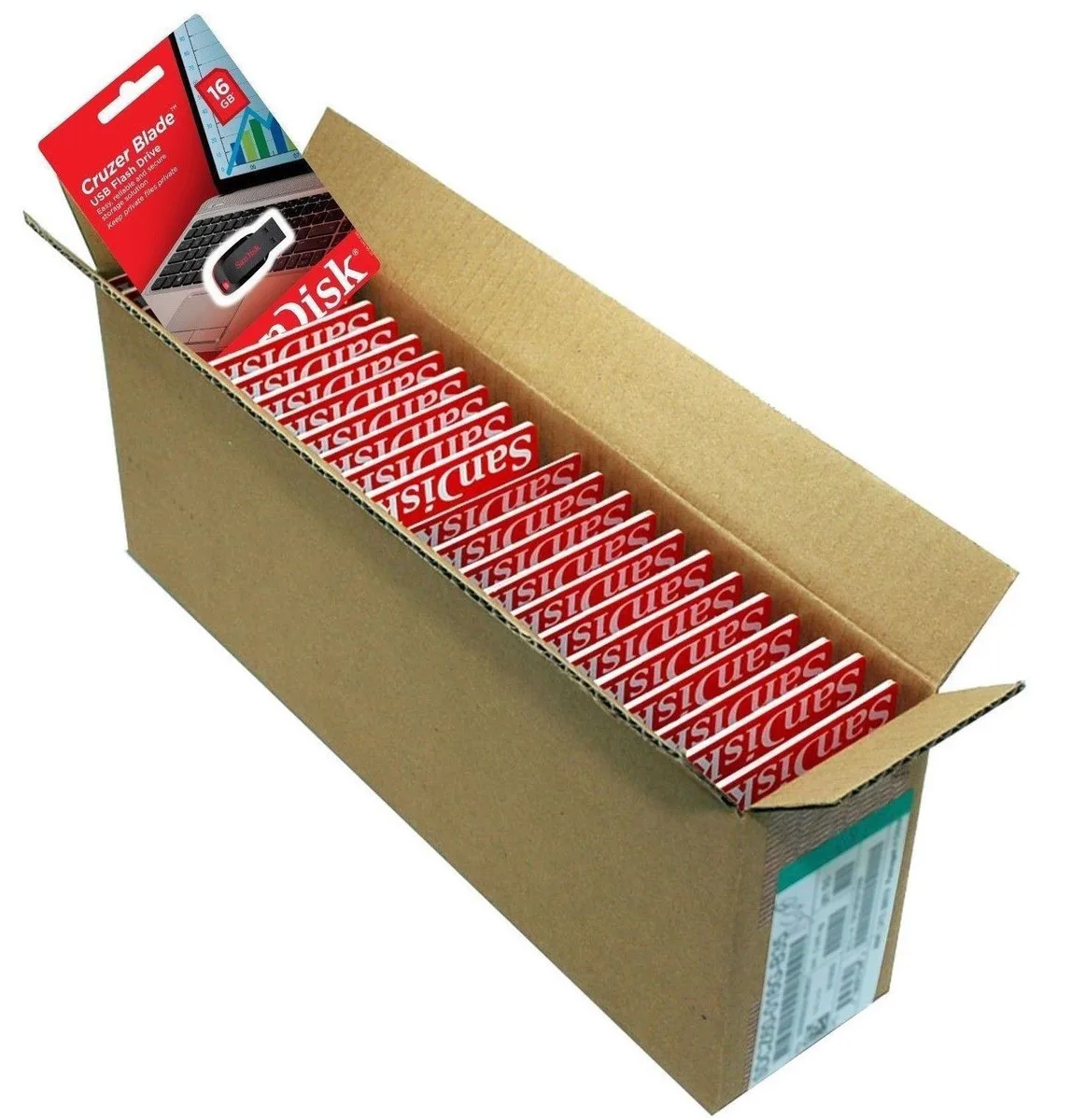
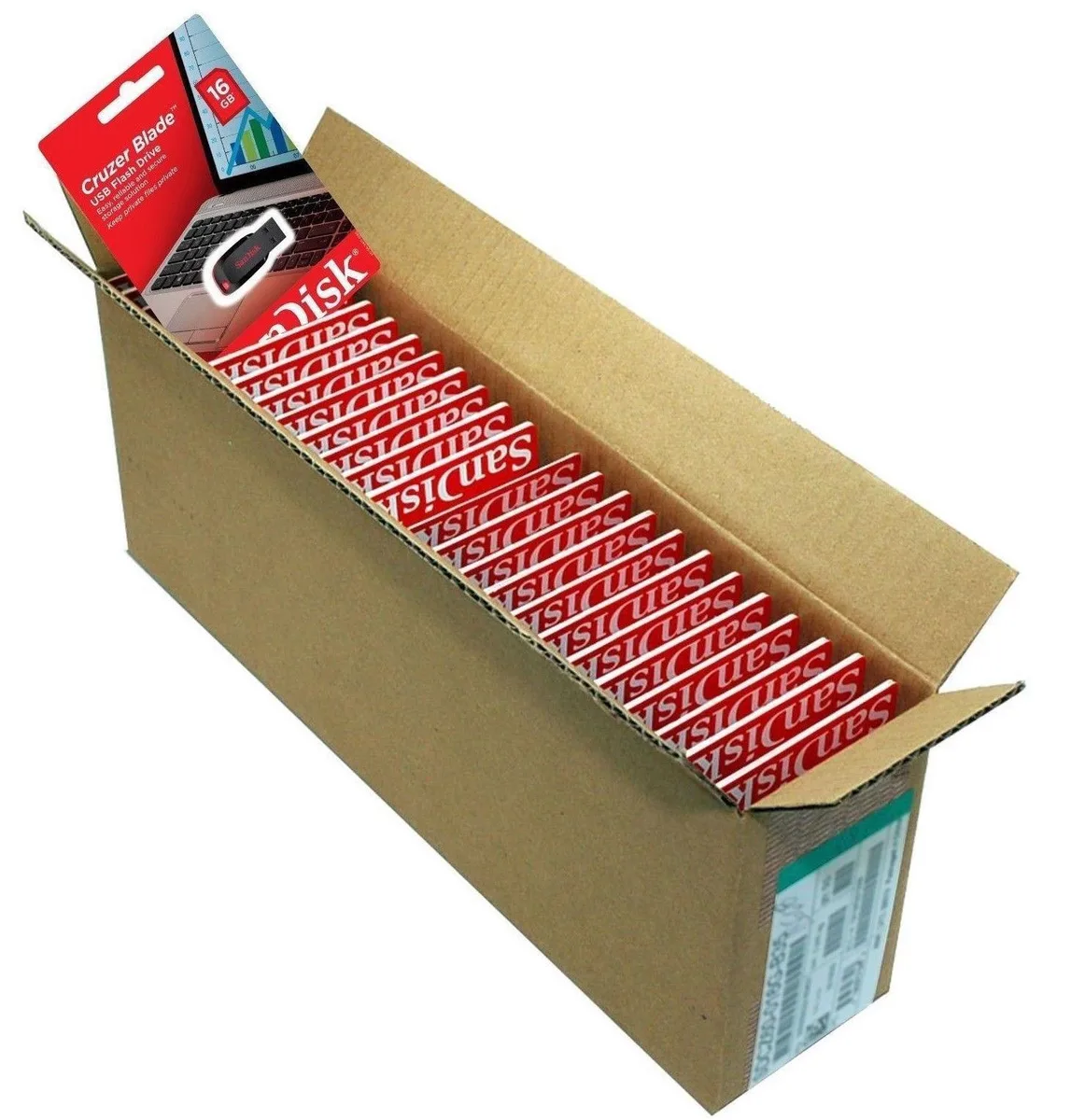
SanDisk Cruzer Blade 8 GB USB 2.0 USB flash drive Black SDCZ50-008G-B35
$391.99
0.00501407BTC
在庫あり


Pimoroni
A 5x5 RGB LED matrix breakout with 25 individually addressable pixels controlled via I2C at addresses 0x74 or 0x77, compatible with Raspberry Pi and Arduino
The Pimoroni PIM435 is a compact development board that carries a 5x5 grid of RGB LEDs driven by an IS31FL3731 chip. It connects through I2C at address 0x74, with a cuttable trace to shift to 0x77. The board works at 3.3 V or 5 V and includes reverse polarity protection. A Python library and examples are supplied for Raspberry Pi and Arduino.
This board suits hobbyists who want a small, addressable display for environmental readings such as temperature or pressure from compatible sensors. It plugs directly onto the bottom-left GPIO pins of any Raspberry Pi model once the included right-angle female header is soldered. Builders needing higher resolution graphics, video output, or wireless connectivity should consider other display options.
The single specification that decides fit is the selectable I2C address: the default 0x74 can be changed to 0x77 by cutting a trace on the board. This allows two matrices to share the same bus without conflict. If your project requires only one matrix or uses a different address scheme, the feature is optional but does not prevent use.
この商品の仕様はまだ公開されていません。
The 5x5 grid provides 25 individually addressable RGB LEDs in a 15x15mm active area with 3.5mm pitch, suitable for simple graphics, sensor readouts or scrolling text.
The IS31FL3731 driver uses I2C at 0x74 by default; cutting the onboard trace changes it to 0x77 so two matrices can share the same bus without address conflict.
Solder the supplied right-angle female header to the breakout, then press it onto the bottom-left five GPIO pins (1, 3, 5, 7, 9) for a direct, solderless Pi connection.
同じ売り場の商品
同じ売り場、同じレジ — 8種類のコインと30分間のレートロック。
お支払いに使うコインと、価格表示に使う通貨です。
チェックアウト時にウォレットから送信されます。
表示のみ—カタログの価格は米ドル建てです。
該当する通貨がありません。
サイトの表示言語を選択してください。
一致する言語がありません。
初めてのご利用ですか?
すでにお持ちですか?
自動的な再設定はありません。当店はメールを送信しないため、ワンタイムリンクをお送りすることもできません。アカウントにメールアドレスを残しておいていただければ、担当者が手作業で確認いたします。
リクエストを受け付けました
受信箱に何かが届くことはありません — 当店はメールを一切送信していません。担当者が手作業で確認いたします。
思い出しましたか?