SanDisk
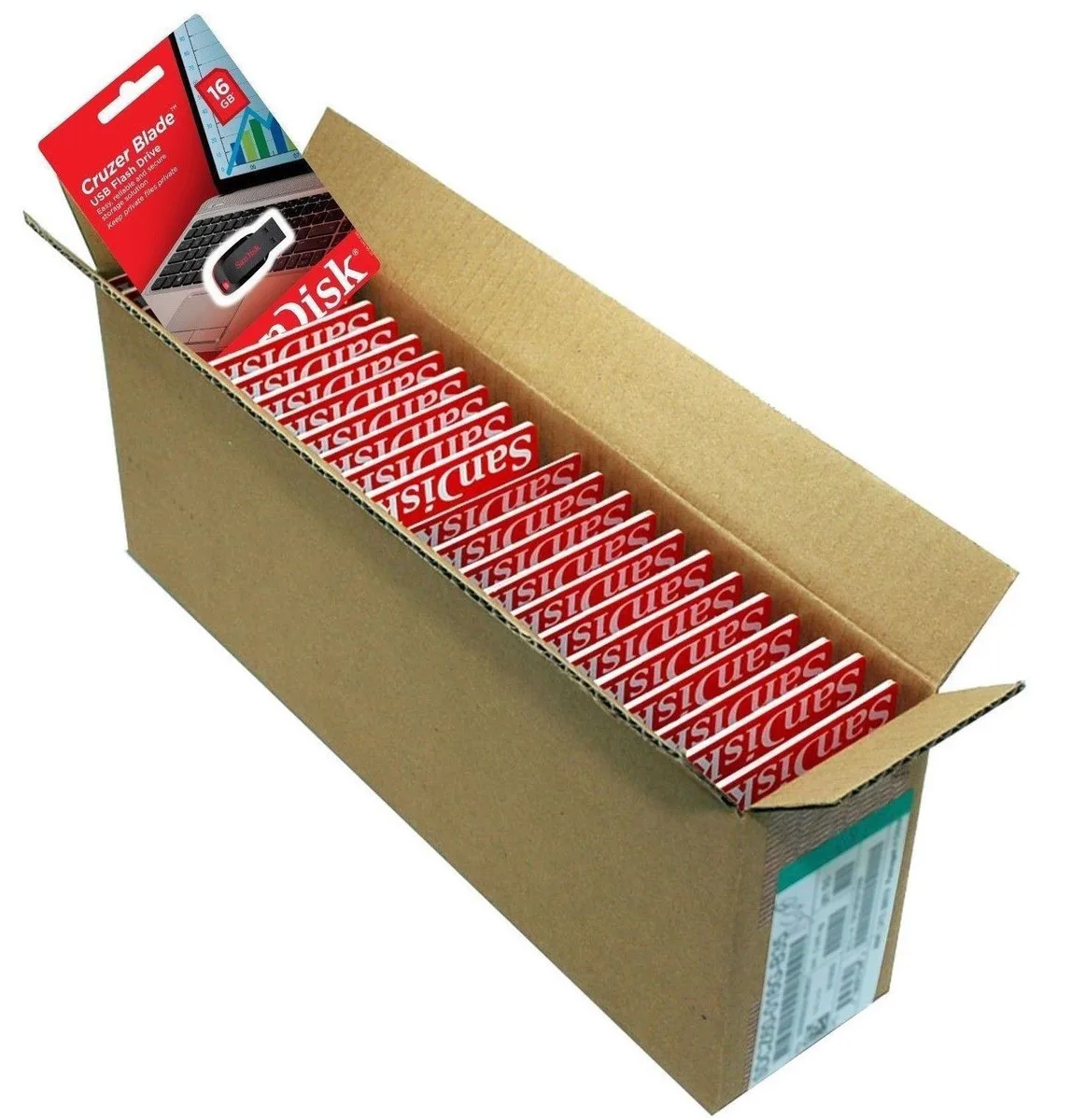
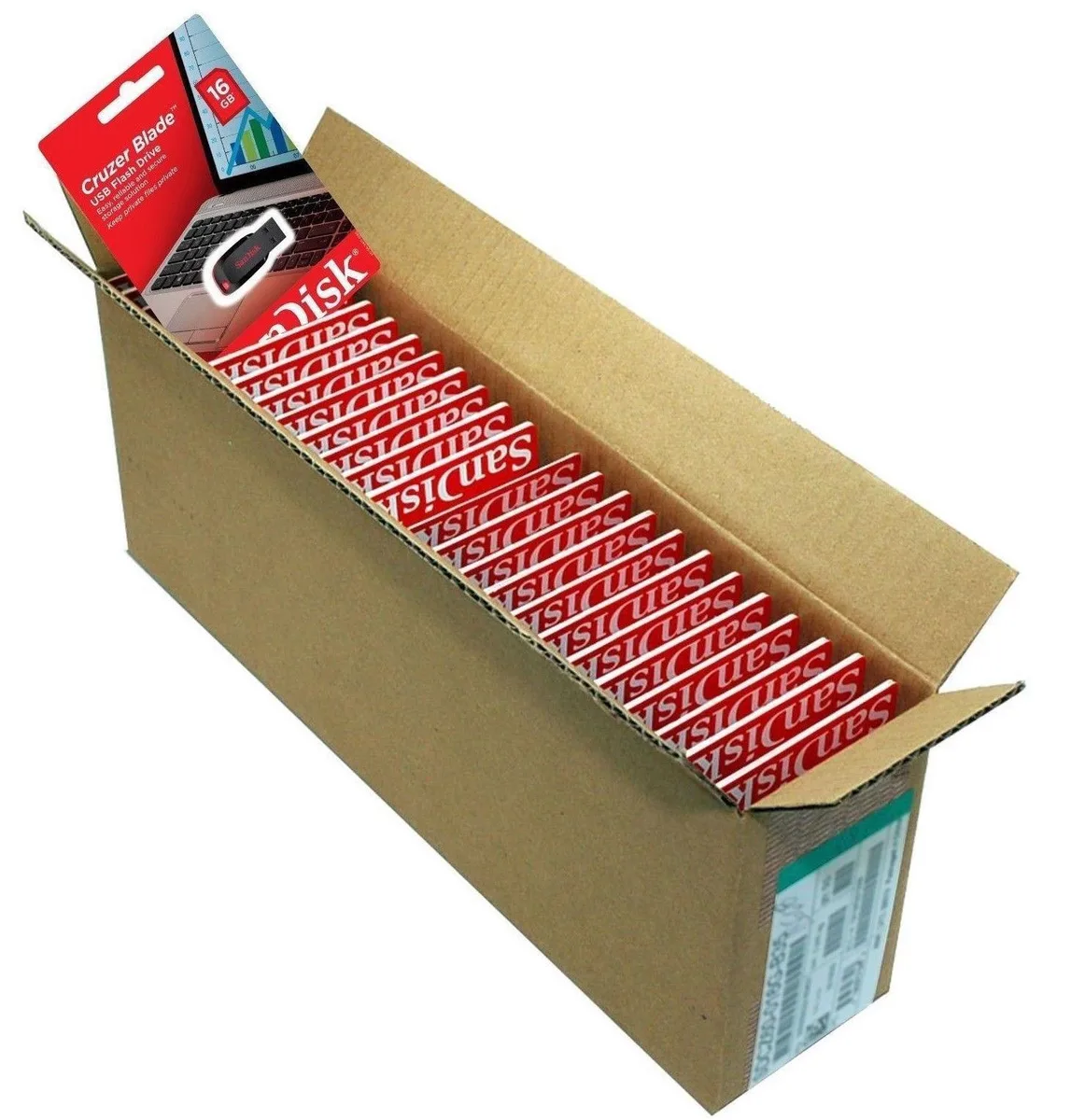
SanDisk Cruzer Blade 8 GB USB 2.0 USB flash drive Black SDCZ50-008G-B35
391,99 $
0.00502435BTC
VarastossaHyväksymme kryptoa — hallussasi olevat kolikot voivat näin ostaa oikeaa laitteistoa.Maksa kryptolla, käytä se oikeaan laitteistoon. Ilmainen vakuutettu toimitus maailmanlaajuisesti yli 399 $. Neutraalit, tuotemerkittömät ulkopakkaukset, lähetetään Saksasta.Ilmainen vakuutettu toimitus yli 399 $. Kurssisi lukitaan 30 minuutiksi heti, kun kassa avautuu.Kurssi lukittu 30 minuutiksi. Jokainen tuote on sinetöity, sen sarjanumero on tarkistettu, ja sillä on 24 kuukauden takuu.Sinetöity, 24 kuukauden takuu.


LORDWORLD
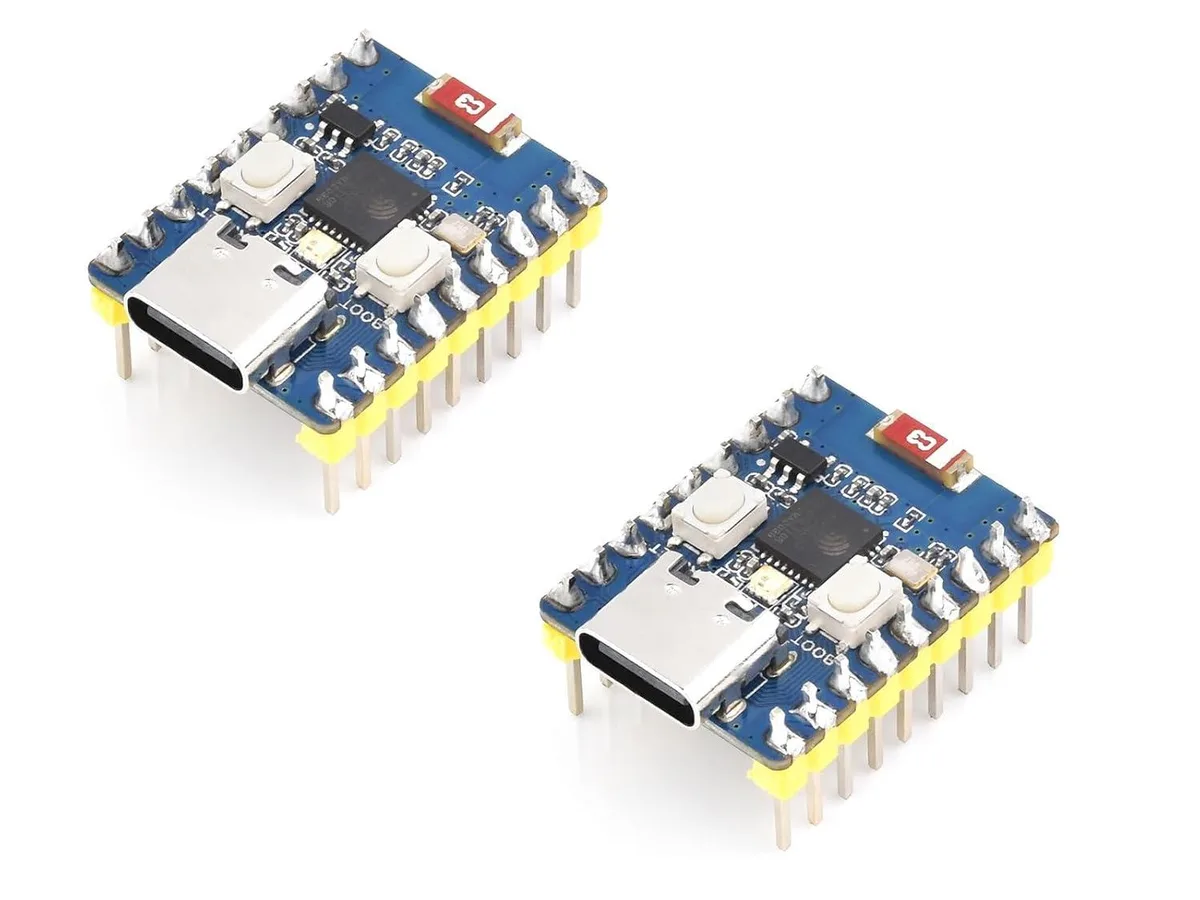
Two RISC-V boards with pre-soldered headers, 2.4 GHz Wi-Fi, Bluetooth 5, 15 GPIO and 400 KB SRAM for compact IoT prototypes
This pack supplies two LORDWORLD ESP32-C3FN4 mini development boards with headers already soldered. Each board uses a 32-bit RISC-V single-core processor running up to 160MHz and includes 400KB SRAM, 384KB ROM and 4MB onboard Flash. The pair suits makers building Wi-Fi and Bluetooth LE connected devices.
Under continuous operation the 160MHz core handles sensor polling, protocol stacks and logic without thermal throttling. 2.4GHz 802.11 b/g/n Wi-Fi and Bluetooth 5 LE maintain links while the 15 GPIO pins drive peripherals through 3 SPI, 1 I2C, 2 UART, 1 I2S and 2 ADC channels. The castellated module can be soldered directly to a carrier board for permanent deployment.
The low-power SoC draws minimal current and runs silently with no moving parts. Flexible clock control and independent module supply settings let the firmware reduce consumption in idle or deep-sleep phases. An onboard ceramic antenna keeps the RF path compact, and the USB Type-C port provides both power and serial debugging during development.
| Brand | LORDWORLD |
|---|
The ESP32-C3FN4 is a low-power SoC designed for flexible clock and independent module power settings, enabling low consumption across different scenarios.
A USB-C cable and a computer with a USB port are required to supply power and provide the serial connection for flashing firmware.
Both radios share the 2.4 GHz band; the chipset handles coexistence, but heavy simultaneous traffic on both may reduce throughput on either link.
Myös tällä osastolla
Sama osasto, sama kassa — kahdeksan kryptovaluuttaa ja 30 minuutin kurssilukko.
Valuutta, jolla maksetaan, sekä valuutta, jossa hinnat näytetään.
Lähetetään lompakostasi kassalla
Vain näyttöä varten — hinnat ovat Yhdysvaltain dollareissa
Valuuttaa ei löytynyt.
Valitse kieli, jolla sivusto puhuu sinulle.
Ei vastaavaa kieltä.
Uusi täällä?
Onko sinulla jo tili?
Automaattista palautusta ei ole: kauppa ei lähetä sähköpostia lainkaan, joten kertakäyttöistä linkkiä ei ole mistä pyytää. Jätä osoite tilille, niin se käsitellään käsin.
Pyyntö kirjattu
Mikään ei ole tulossa sähköpostiisi — tämä kauppa ei lähetä sähköpostia lainkaan. Joku käsittelee nämä pyynnöt käsin.
Muistitko sen?