SanDisk
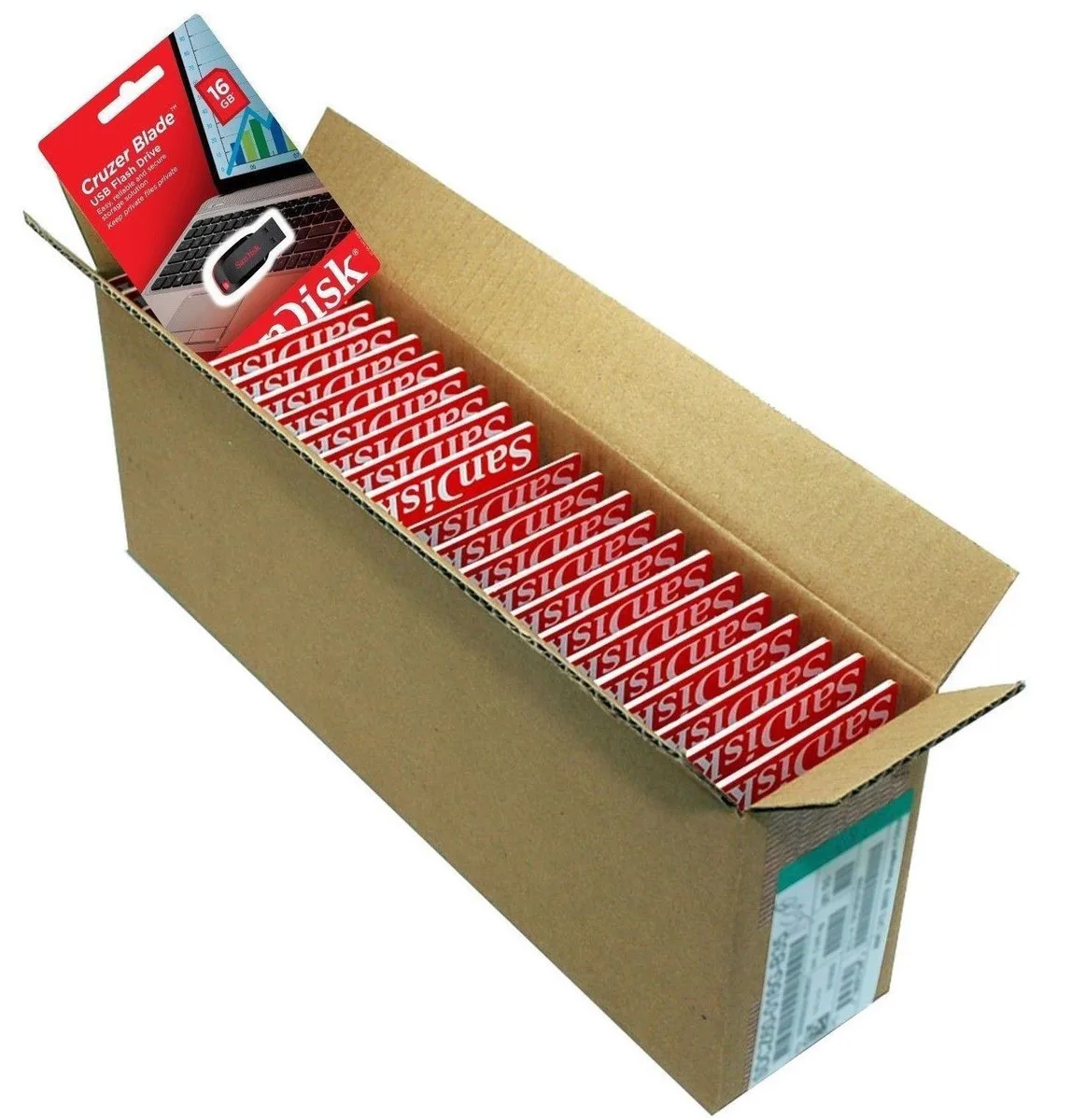
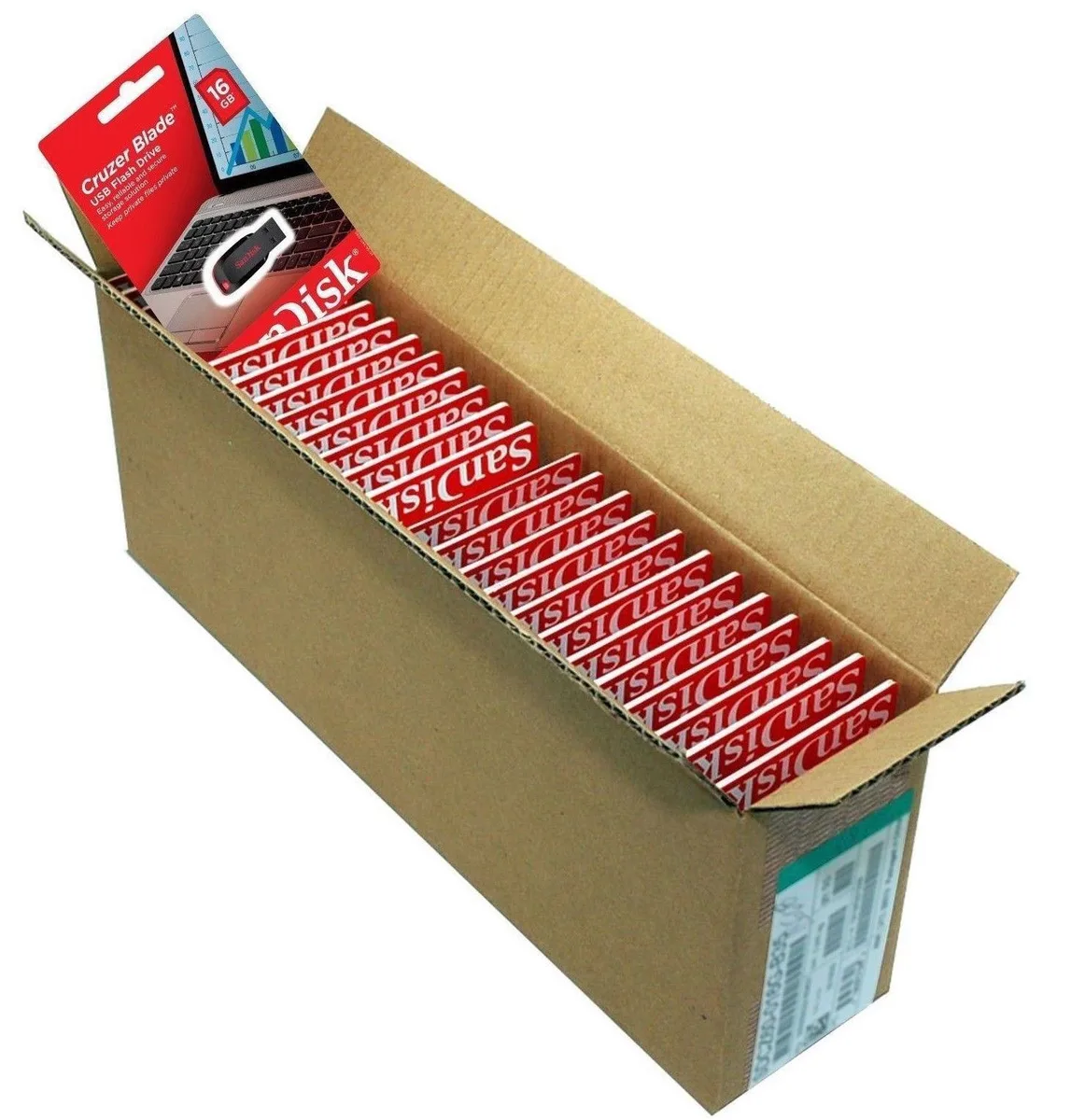
SanDisk Cruzer Blade 8 GB USB 2.0 USB flash drive Black SDCZ50-008G-B35
391,99 US$
0.00501016BTC
Em stockAceitamos criptomoeda — para que as moedas que detém possam comprar material informático real.Pague em cripto, gaste-a em material informático real. Envio seguro gratuito para todo o mundo acima de 399 $. Caixas neutras, sem marca, expedidas a partir da Alemanha.Envio seguro gratuito acima de 399 $. A sua taxa fica bloqueada durante 30 minutos assim que abre a finalização da compra.Taxa bloqueada 30 minutos. Cada artigo é selado, o seu número de série é verificado, e está coberto por uma garantia de 24 meses.Selado, garantido 24 meses.


LORDWORLD
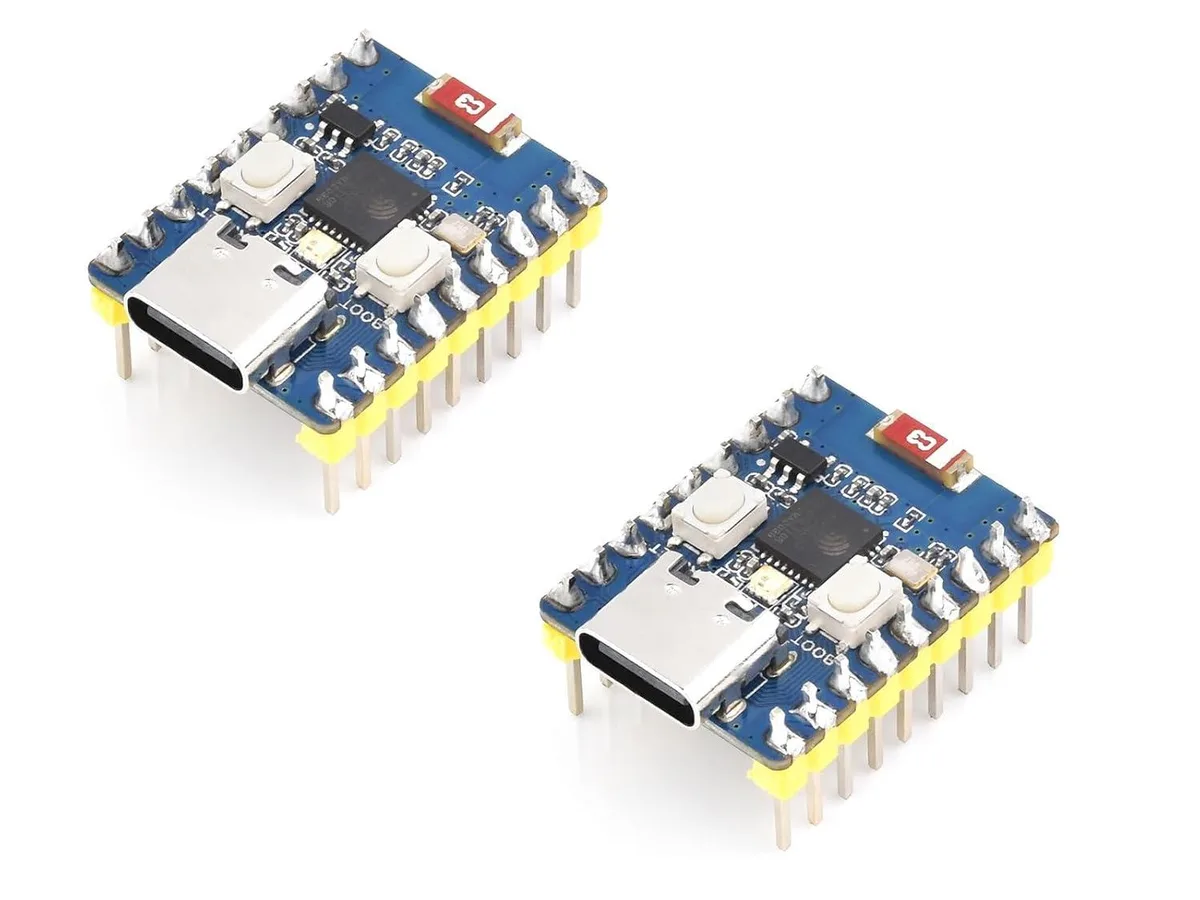
Two RISC-V boards with pre-soldered headers, 2.4 GHz Wi-Fi, Bluetooth 5, 15 GPIO and 400 KB SRAM for compact IoT prototypes
This pack supplies two LORDWORLD ESP32-C3FN4 mini development boards with headers already soldered. Each board uses a 32-bit RISC-V single-core processor running up to 160MHz and includes 400KB SRAM, 384KB ROM and 4MB onboard Flash. The pair suits makers building Wi-Fi and Bluetooth LE connected devices.
Under continuous operation the 160MHz core handles sensor polling, protocol stacks and logic without thermal throttling. 2.4GHz 802.11 b/g/n Wi-Fi and Bluetooth 5 LE maintain links while the 15 GPIO pins drive peripherals through 3 SPI, 1 I2C, 2 UART, 1 I2S and 2 ADC channels. The castellated module can be soldered directly to a carrier board for permanent deployment.
The low-power SoC draws minimal current and runs silently with no moving parts. Flexible clock control and independent module supply settings let the firmware reduce consumption in idle or deep-sleep phases. An onboard ceramic antenna keeps the RF path compact, and the USB Type-C port provides both power and serial debugging during development.
| Brand | LORDWORLD |
|---|
The ESP32-C3FN4 is a low-power SoC designed for flexible clock and independent module power settings, enabling low consumption across different scenarios.
A USB-C cable and a computer with a USB port are required to supply power and provide the serial connection for flashing firmware.
Both radios share the 2.4 GHz band; the chipset handles coexistence, but heavy simultaneous traffic on both may reduce throughput on either link.
Também nesta secção
Mesma prateleira, mesma finalização da compra — oito moedas e uma taxa bloqueada durante 30 minutos.
O que paga, e a moeda em que vê os preços.
Enviado da sua carteira ao finalizar a compra
Apenas informativo — o catálogo está em dólares
Nenhuma moeda corresponde.
Escolha o idioma em que o site lhe fala.
Nenhum idioma corresponde.
Ainda não tem conta?
Já tem conta?
Não existe reposição automática: esta loja não envia qualquer e-mail, pelo que não há nenhum link de utilização única para pedir. Deixe o endereço na conta e ele será tratado manualmente.
Pedido registado
Não vai chegar nada à sua caixa de entrada — esta loja não envia qualquer e-mail. Alguém trata disto manualmente.
Recordou-se dela?