SanDisk
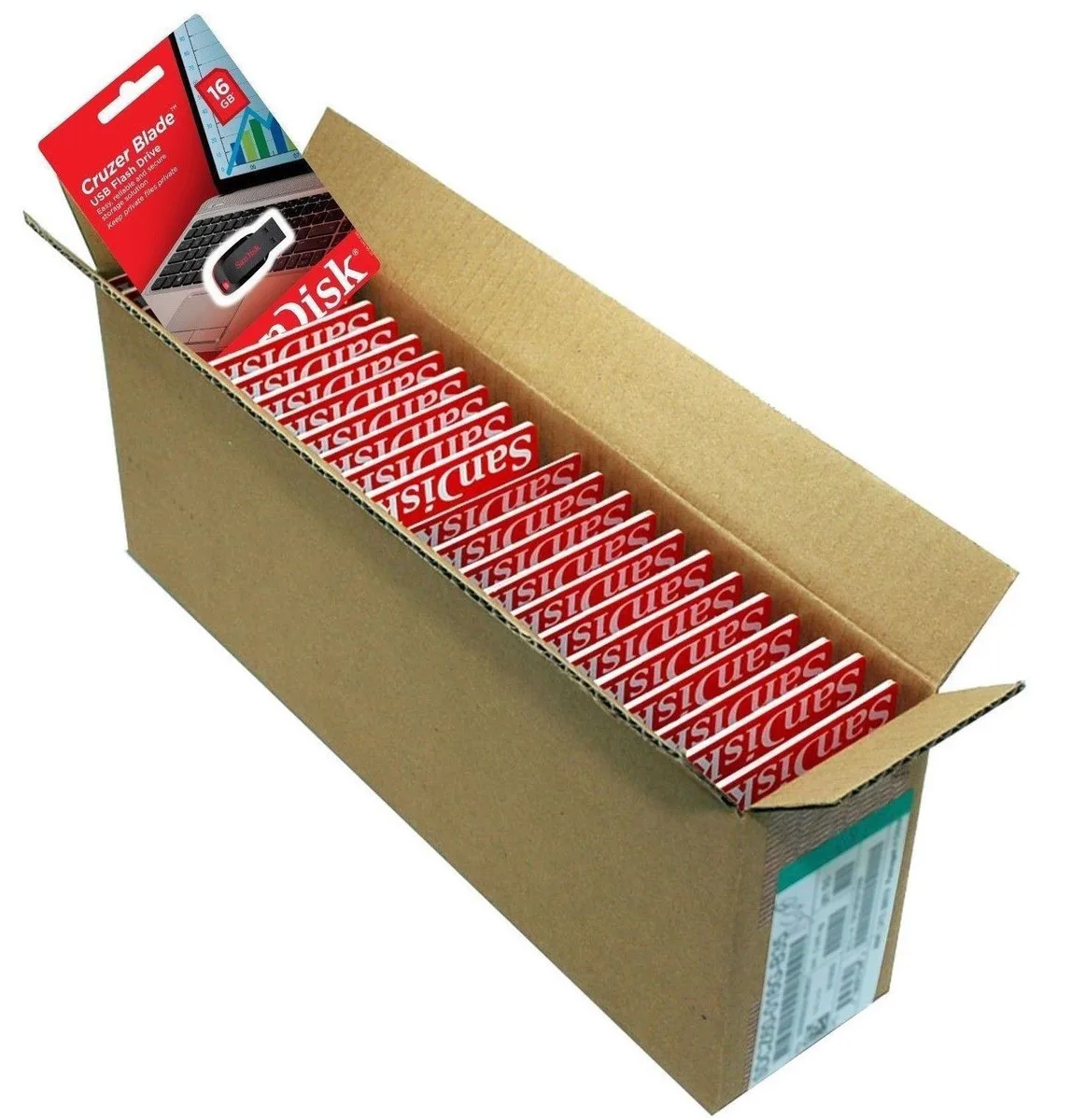
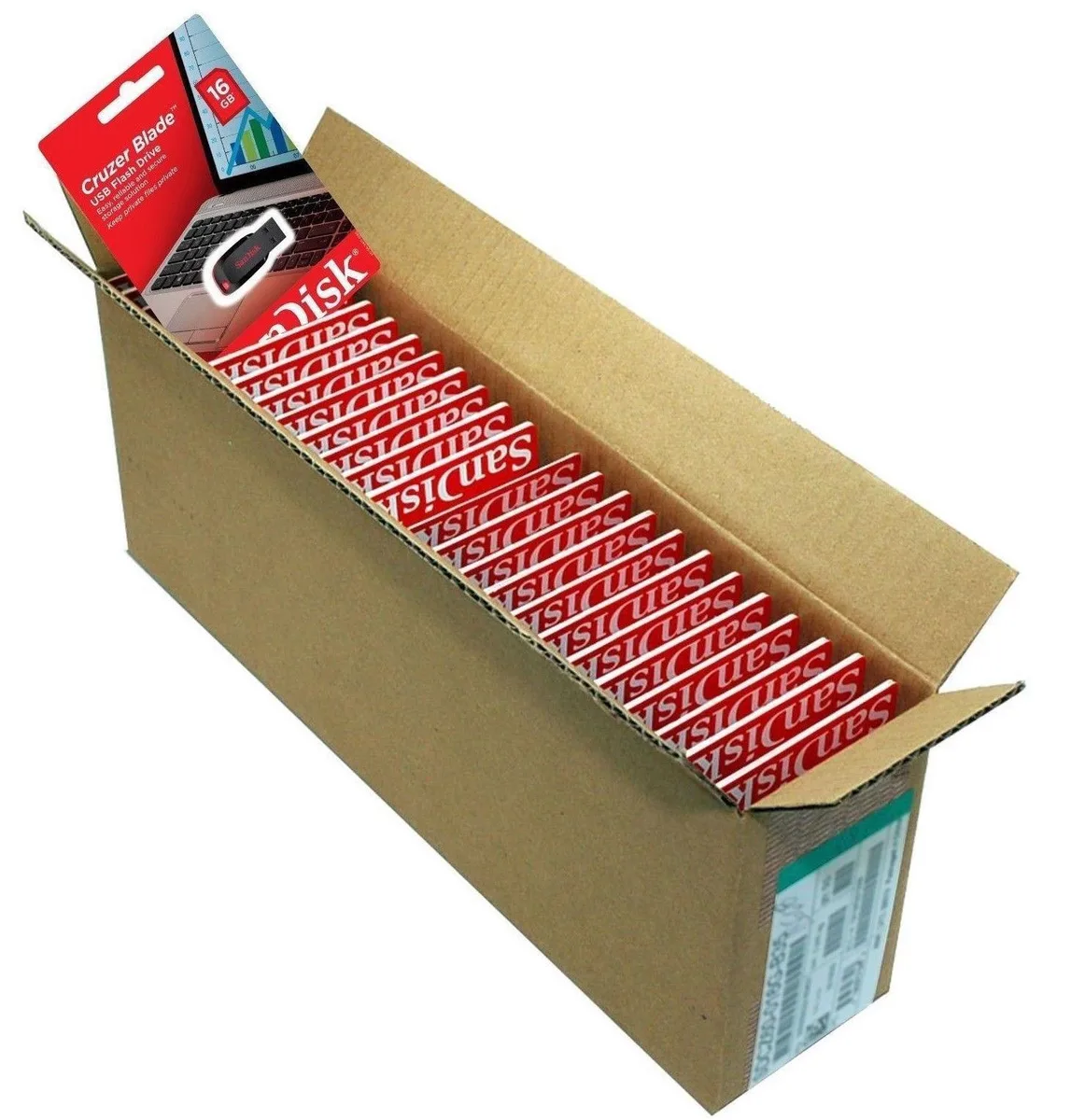
SanDisk Cruzer Blade 8 GB USB 2.0 USB flash drive Black SDCZ50-008G-B35
391,99 USD
0.00501696BTC
În stocAcceptăm criptomonede — astfel, criptomonedele pe care le dețineți pot cumpăra echipamente reale.Plătiți în cripto, cheltuiți-o pe echipamente reale. Livrare asigurată gratuită oriunde în lume peste 399 $. Cartoane neutre, fără marcă, expediate din Germania.Livrare asigurată gratuită peste 399 $. Cursul dumneavoastră este blocat timp de 30 de minute de la deschiderea paginii de plată.Curs blocat 30 de minute. Fiecare articol este sigilat, numărul de serie este verificat, iar produsul este acoperit de o garanție de 24 de luni.Sigilat, garantat 24 de luni.


LORDWORLD
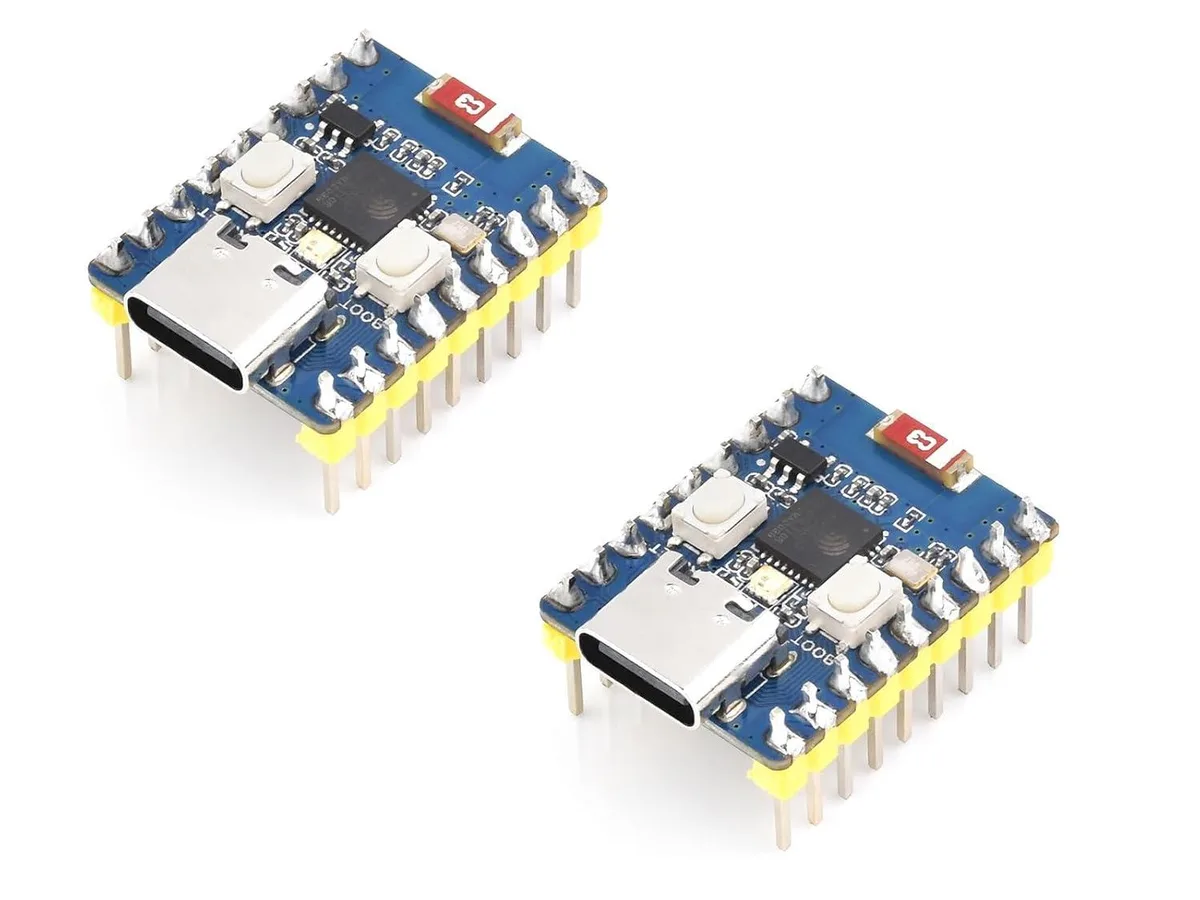
Two RISC-V boards with pre-soldered headers, 2.4 GHz Wi-Fi, Bluetooth 5, 15 GPIO and 400 KB SRAM for compact IoT prototypes
This pack supplies two LORDWORLD ESP32-C3FN4 mini development boards with headers already soldered. Each board uses a 32-bit RISC-V single-core processor running up to 160MHz and includes 400KB SRAM, 384KB ROM and 4MB onboard Flash. The pair suits makers building Wi-Fi and Bluetooth LE connected devices.
Under continuous operation the 160MHz core handles sensor polling, protocol stacks and logic without thermal throttling. 2.4GHz 802.11 b/g/n Wi-Fi and Bluetooth 5 LE maintain links while the 15 GPIO pins drive peripherals through 3 SPI, 1 I2C, 2 UART, 1 I2S and 2 ADC channels. The castellated module can be soldered directly to a carrier board for permanent deployment.
The low-power SoC draws minimal current and runs silently with no moving parts. Flexible clock control and independent module supply settings let the firmware reduce consumption in idle or deep-sleep phases. An onboard ceramic antenna keeps the RF path compact, and the USB Type-C port provides both power and serial debugging during development.
| Brand | LORDWORLD |
|---|
The ESP32-C3FN4 is a low-power SoC designed for flexible clock and independent module power settings, enabling low consumption across different scenarios.
A USB-C cable and a computer with a USB port are required to supply power and provide the serial connection for flashing firmware.
Both radios share the 2.4 GHz band; the chipset handles coexistence, but heavy simultaneous traffic on both may reduce throughput on either link.
Tot din acest raion
Același raion, aceeași finalizare a comenzii — opt monede și un curs blocat 30 de minute.
În ce monedă plătiți și în ce monedă citiți prețurile.
Trimis din portofelul dumneavoastră la finalizarea comenzii
Doar pentru afișare — catalogul este exprimat în dolari
Nicio monedă nu corespunde.
Alegeți limba în care vă vorbește site-ul.
Nicio limbă nu corespunde.
Prima vizită?
Aveți deja un cont?
Nu există o resetare automată: acest magazin nu trimite niciun e-mail, deci nu există niciun link de unică folosință de solicitat. Lăsați adresa în cont. Va fi tratată manual.
Cerere înregistrată
Nu veți primi nimic în căsuța de e-mail — acest magazin nu trimite niciun e-mail. Cineva se ocupă de asta manual.
V-ați amintit-o?