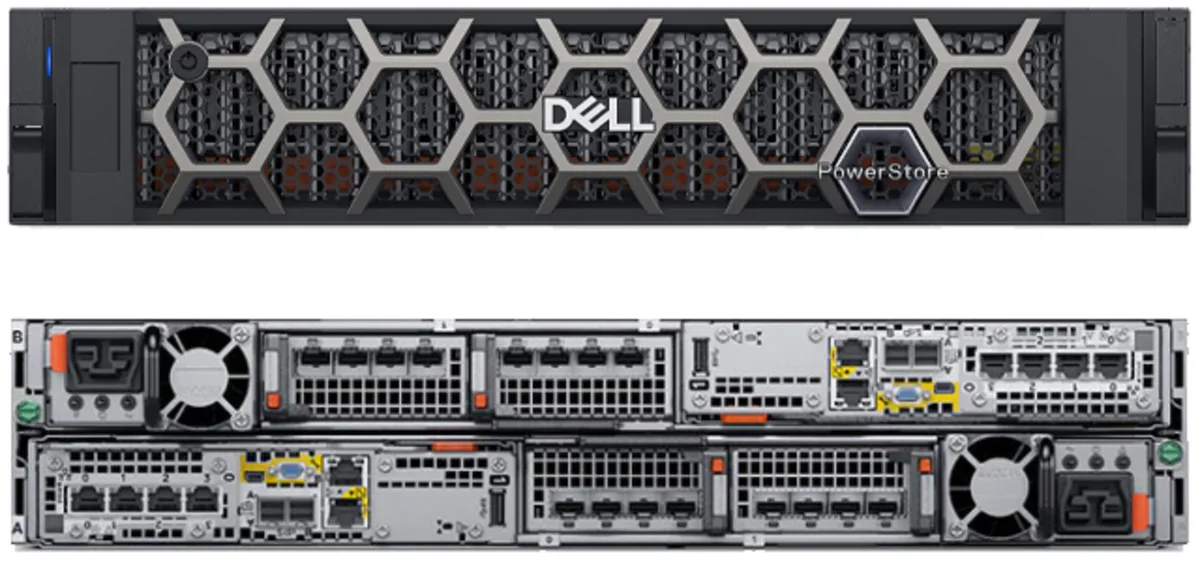
DELL
DELL KCM7XRJE15T3 15.36TB NVMe E3.S SSD
Enterprise NVMe E3.S SSD with 15.36 TB capacity for Dell PowerEdge servers
- TypeRack
- 36TB capacity supports massive data workloads
- NVMe interface delivers high-speed enterprise storage
- Gen5 architecture enables next-generation server performance
- Read-intensive TLC design optimises endurance for read-heavy applications
- Compatible with Dell PowerEdge R660, R760, R770 and more
High-capacity NVMe drive for read-intensive servers
The Dell KCM7XRJE15T3 is a 15.36TB enterprise NVMe SSD built in the E3.S form factor. It targets data centres running read-heavy workloads on supported PowerEdge platforms.
Upgrade from lower-capacity or older-gen NVMe drives
Replacing smaller enterprise NVMe modules with this 15.36TB unit consolidates capacity and reduces slot count. The jump is worthwhile when read-intensive datasets outgrow existing drives and the server chassis accepts E3.S modules.
Fits Dell PowerEdge rack and multi-node servers
The drive installs directly into compatible PowerEdge bays including R660, R760, R760XD2, R960, MX760C, C6615 and C6620 systems. It frees additional drive slots for other tiers while delivering high read throughput in a single E3.S device.
Points forts
- 36TB capacity supports massive data workloads
- NVMe interface delivers high-speed enterprise storage
- Gen5 architecture enables next-generation server performance
- Read-intensive TLC design optimises endurance for read-heavy applications
- Compatible with Dell PowerEdge R660, R760, R770 and more
Caractéristiques
| Brand | DELL |
|---|---|
| Model | KCM7XRJE15T3, YRN98 |
| Type | Rack |
Questions sur cet article
Does the E3.S form factor fit the Dell PowerEdge R760 drive bay?
Yes, the E3.S SSD is compatible with the Dell PowerEdge R760 and other listed PowerEdge models.
What is the correct orientation when inserting the E3.S module into the server?
Align the connector edge with the slot and press firmly until the latch clicks; the label side faces up in most PowerEdge chassis.
How often should the 15.36TB NVMe drive be checked for wear?
Monitor SMART health attributes quarterly; the read-intensive TLC design targets a low write duty cycle, so replacement is typically driven by capacity planning rather than endurance.
Également dans ce rayon
Les clients ont aussi comparé
Même rayon, même caisse — huit monnaies et un taux bloqué 30 minutes.


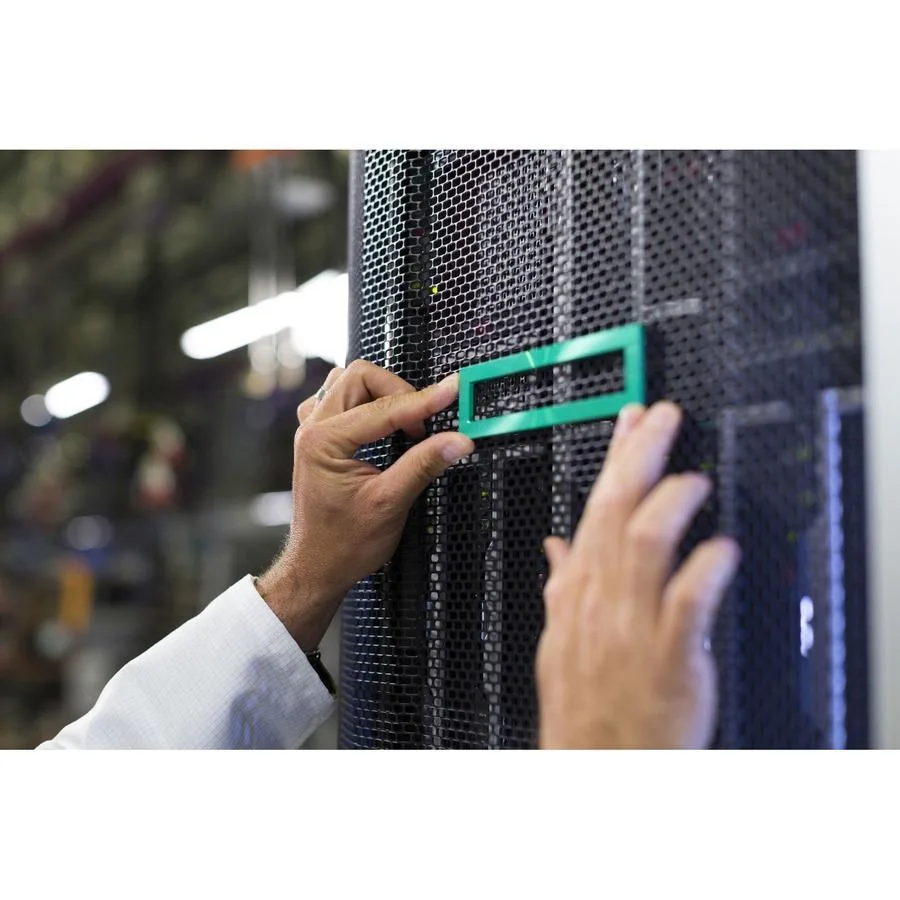
HPE
HPE P22020B21 2U Cable Management Arm for DL38X Gen10 Plus Rail Kit
52,99 $US67,99 $US−22%
0.00067524BTC
En stock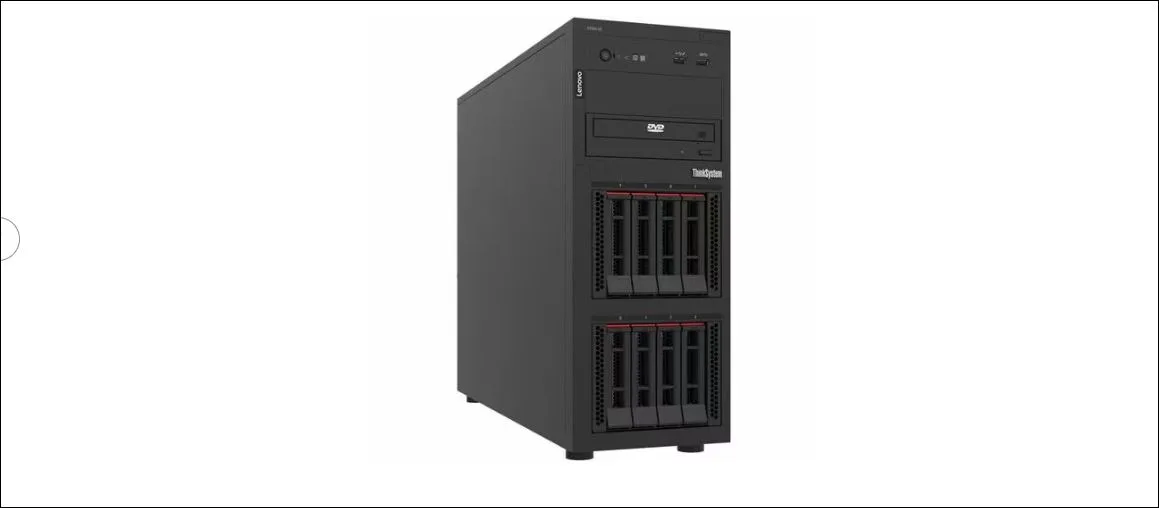
Lenovo
Lenovo ThinkSystem ST250 V3 7DCEA01YNA Tower Server Xeon E-2434 16 GB RAM
1 267,99 $US
0.01615768BTC
En stock