SanDisk
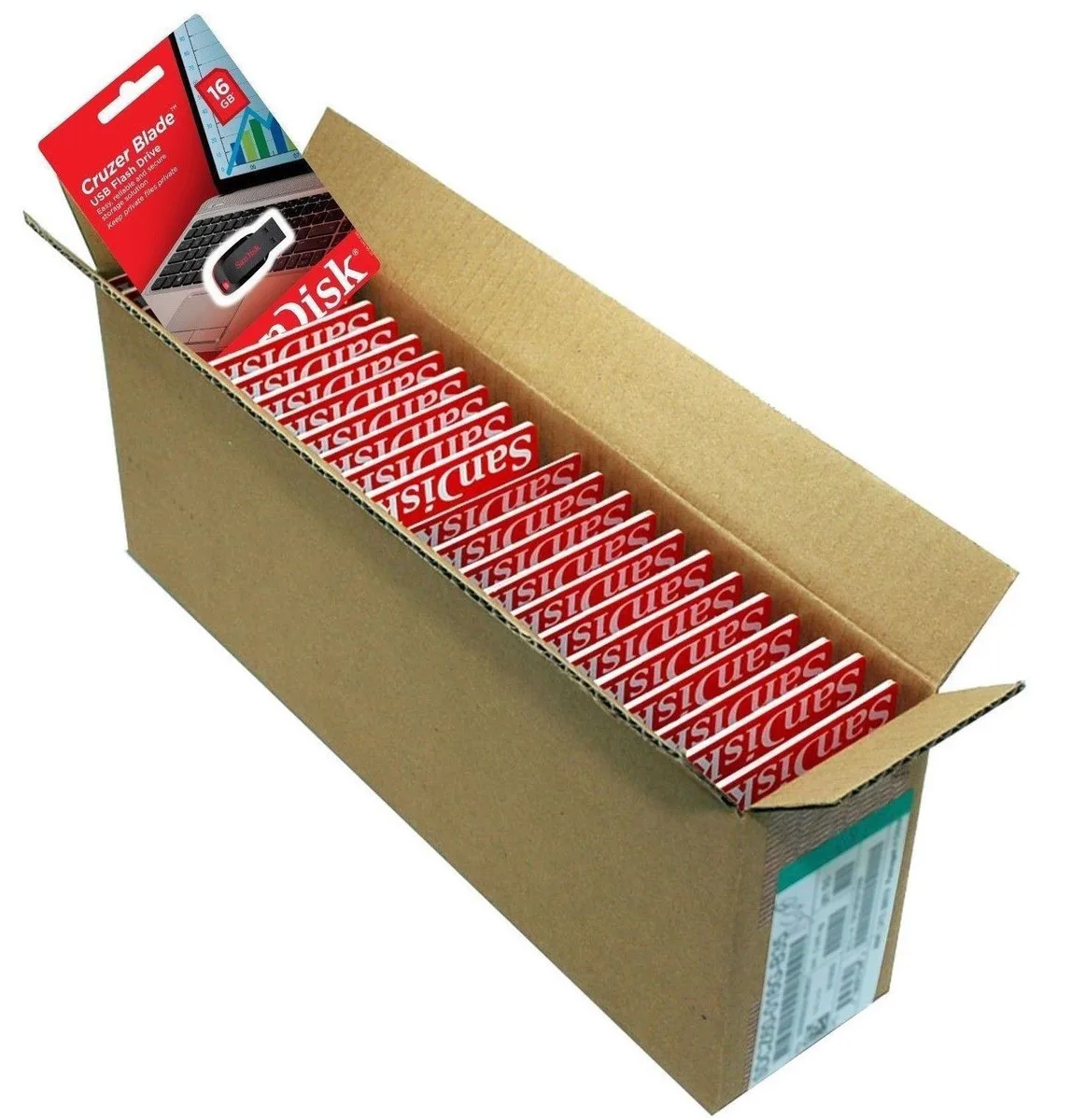
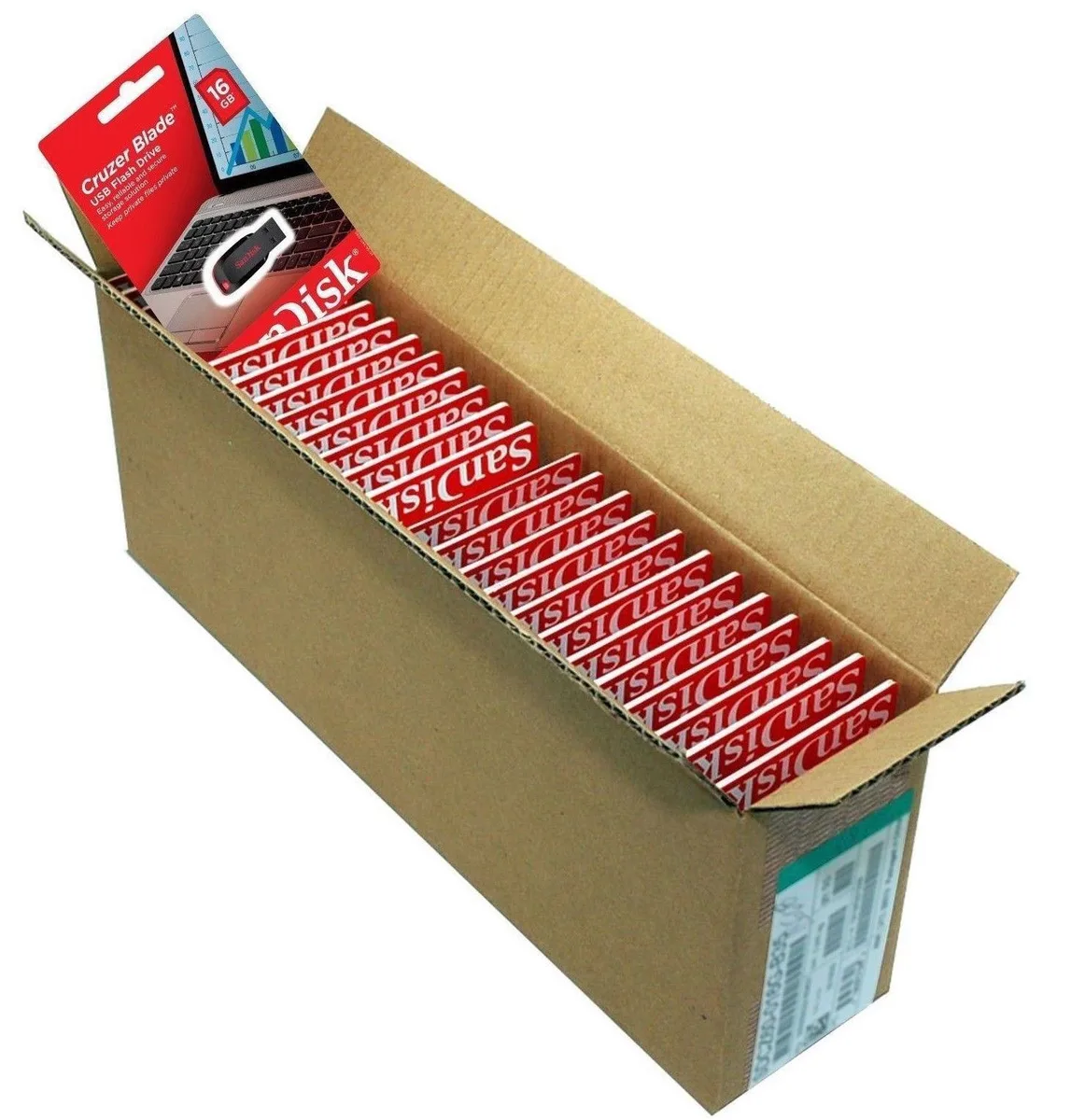
SanDisk Cruzer Blade 8 GB USB 2.0 USB flash drive Black SDCZ50-008G-B35
391,99 USD
0.00499579BTC
DisponibileAccettiamo criptovalute — così le crypto che Lei possiede possono comprare hardware reale.Paghi in crypto, la spenda in hardware reale. Spedizione assicurata gratuita in tutto il mondo oltre i 399 $. Cartoni neutri, senza marchio, spediti dalla Germania.Spedizione assicurata gratuita oltre i 399 $. Il Suo tasso resta bloccato per 30 minuti dall’apertura del checkout.Tasso bloccato 30 minuti. Ogni articolo è sigillato, il numero di serie è verificato, ed è coperto da una garanzia di 24 mesi.Sigillato, garantito 24 mesi.


LORDWORLD
Expands up to 64 I/O ports across four boards via I2C, with 16 channels per board, 256-step LED dimming, interrupt output, 3.3 V and 5 V logic compatibility, configurable addresses.
The LORDWORLD AW9523B board adds 16 programmable I/O ports to a microcontroller through a standard I2C bus. It is aimed at makers and engineers who need more digital inputs or outputs than their development board provides without redesigning the main circuit.
Each module occupies only two wires on the host bus and up to four boards can share the line by setting the A0 and A1 address jumpers, giving a total of 64 ports. The board includes both a PH2.0 header and solder pads so additional I2C modules can be daisy-chained without extra cabling.
The integrated constant-current LED driver with 256-step dimming removes the need for external resistors and PWM timers when driving common-anode LEDs. An onboard voltage translator handles 3.3 V and 5 V logic levels, so the board works directly with Raspberry Pi, micro:bit, Arduino and STM32 platforms without level-shifting circuitry.
| Brand | LORDWORLD |
|---|
Up to 64 ports by stacking four boards, each providing 16 I/O via configurable A0/A1 jumpers.
Onboard voltage translator handles 3.3 V or 5 V logic; constant-current LED drivers use 256-step linear dimming to manage dissipation.
Any I2C master such as Raspberry Pi, micro:bit, Arduino or STM32; connect via PH2.0 header or solder pads.
Anche in questo reparto
Stesso reparto, stessa cassa — otto monete e un cambio bloccato per 30 minuti.
Cosa invia per pagare, e in quale valuta legge i prezzi.
Inviato dal Suo portafoglio alla cassa
Solo a titolo indicativo — il catalogo è espresso in dollari
Nessuna valuta corrisponde.
Scelga la lingua in cui il sito Le parla.
Nessuna lingua corrisponde.
Prima visita?
Ne ha già uno?
Non esiste un ripristino automatico: questo negozio non invia e-mail, quindi non esiste alcun link monouso da richiedere. Lasci l’indirizzo sull’account: verrà gestito manualmente.
Richiesta registrata
Non arriverà nulla nella Sua casella di posta — questo negozio non invia e-mail. Qualcuno se ne occupa manualmente.
L’ha ritrovata?