SanDisk
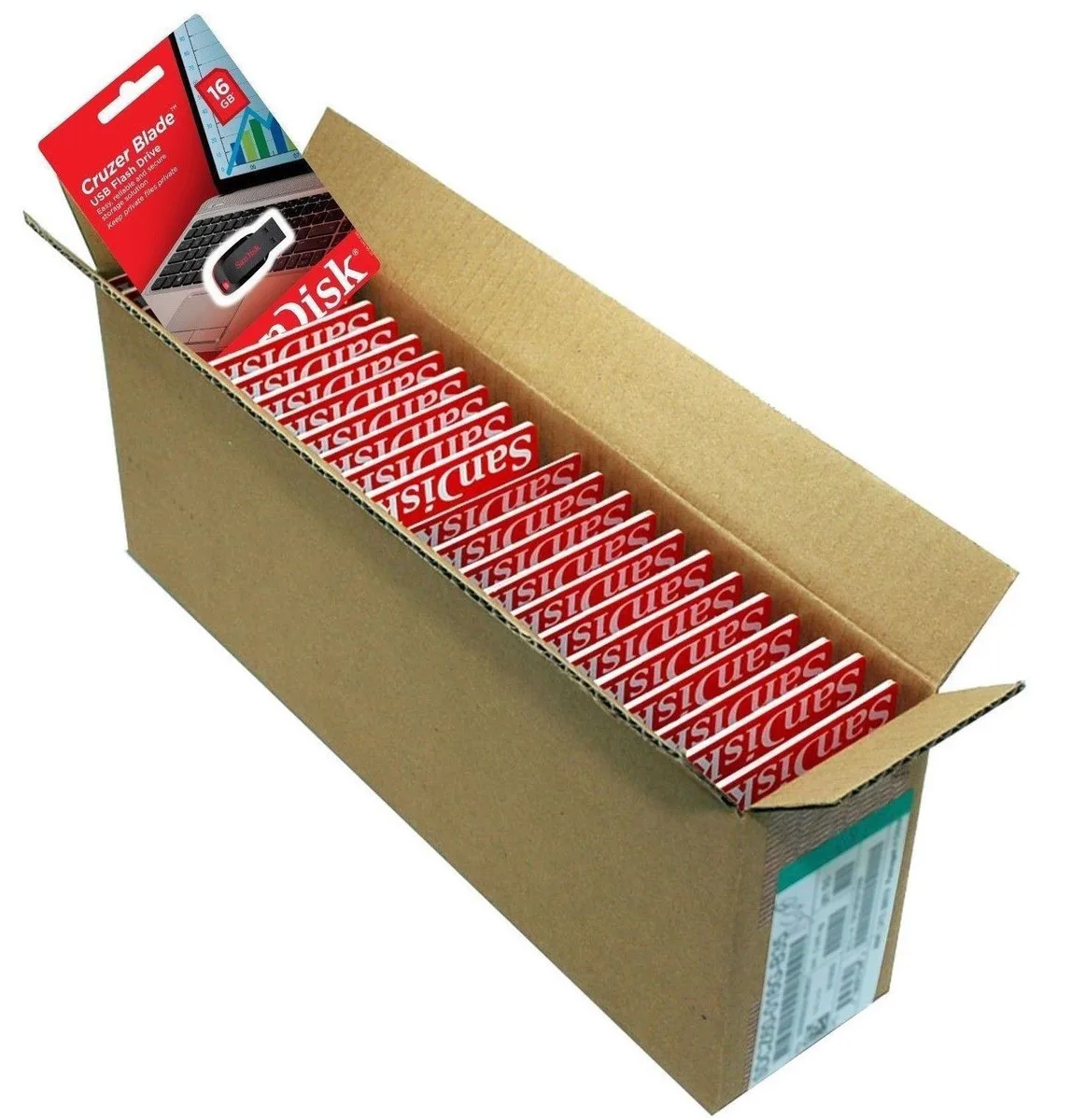
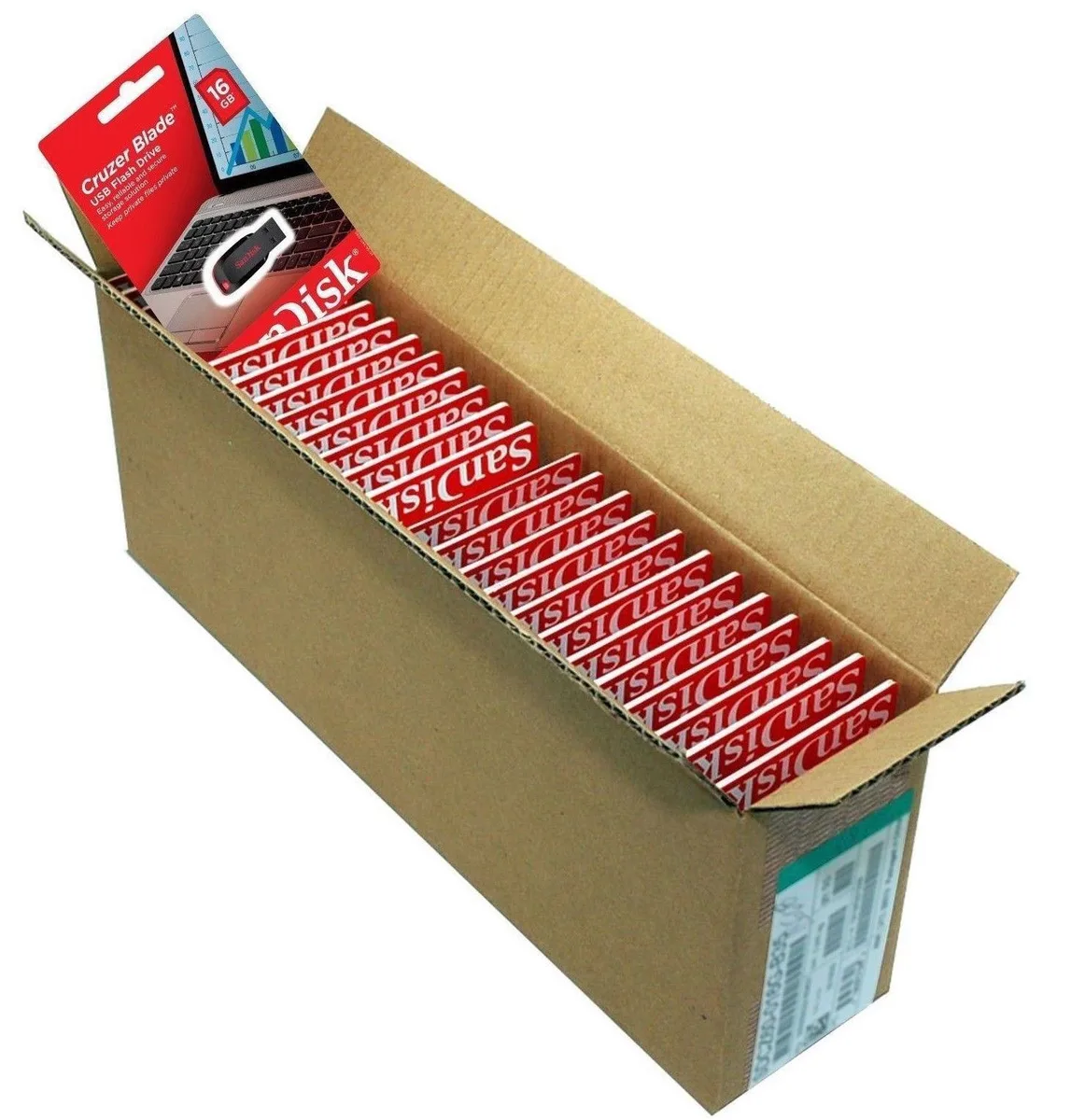
SanDisk Cruzer Blade 8 GB USB 2.0 USB flash drive Black SDCZ50-008G-B35
$391.99
0.00502075BTC
在庫あり


LORDWORLD
Expands up to 64 I/O ports across four boards via I2C, with 16 channels per board, 256-step LED dimming, interrupt output, 3.3 V and 5 V logic compatibility, configurable addresses.
The LORDWORLD AW9523B board adds 16 programmable I/O ports to a microcontroller through a standard I2C bus. It is aimed at makers and engineers who need more digital inputs or outputs than their development board provides without redesigning the main circuit.
Each module occupies only two wires on the host bus and up to four boards can share the line by setting the A0 and A1 address jumpers, giving a total of 64 ports. The board includes both a PH2.0 header and solder pads so additional I2C modules can be daisy-chained without extra cabling.
The integrated constant-current LED driver with 256-step dimming removes the need for external resistors and PWM timers when driving common-anode LEDs. An onboard voltage translator handles 3.3 V and 5 V logic levels, so the board works directly with Raspberry Pi, micro:bit, Arduino and STM32 platforms without level-shifting circuitry.
| Brand | LORDWORLD |
|---|
Up to 64 ports by stacking four boards, each providing 16 I/O via configurable A0/A1 jumpers.
Onboard voltage translator handles 3.3 V or 5 V logic; constant-current LED drivers use 256-step linear dimming to manage dissipation.
Any I2C master such as Raspberry Pi, micro:bit, Arduino or STM32; connect via PH2.0 header or solder pads.
同じ売り場の商品
同じ売り場、同じレジ — 8種類のコインと30分間のレートロック。
お支払いに使うコインと、価格表示に使う通貨です。
チェックアウト時にウォレットから送信されます。
表示のみ—カタログの価格は米ドル建てです。
該当する通貨がありません。
サイトの表示言語を選択してください。
一致する言語がありません。
初めてのご利用ですか?
すでにお持ちですか?
自動的な再設定はありません。当店はメールを送信しないため、ワンタイムリンクをお送りすることもできません。アカウントにメールアドレスを残しておいていただければ、担当者が手作業で確認いたします。
リクエストを受け付けました
受信箱に何かが届くことはありません — 当店はメールを一切送信していません。担当者が手作業で確認いたします。
思い出しましたか?