SanDisk
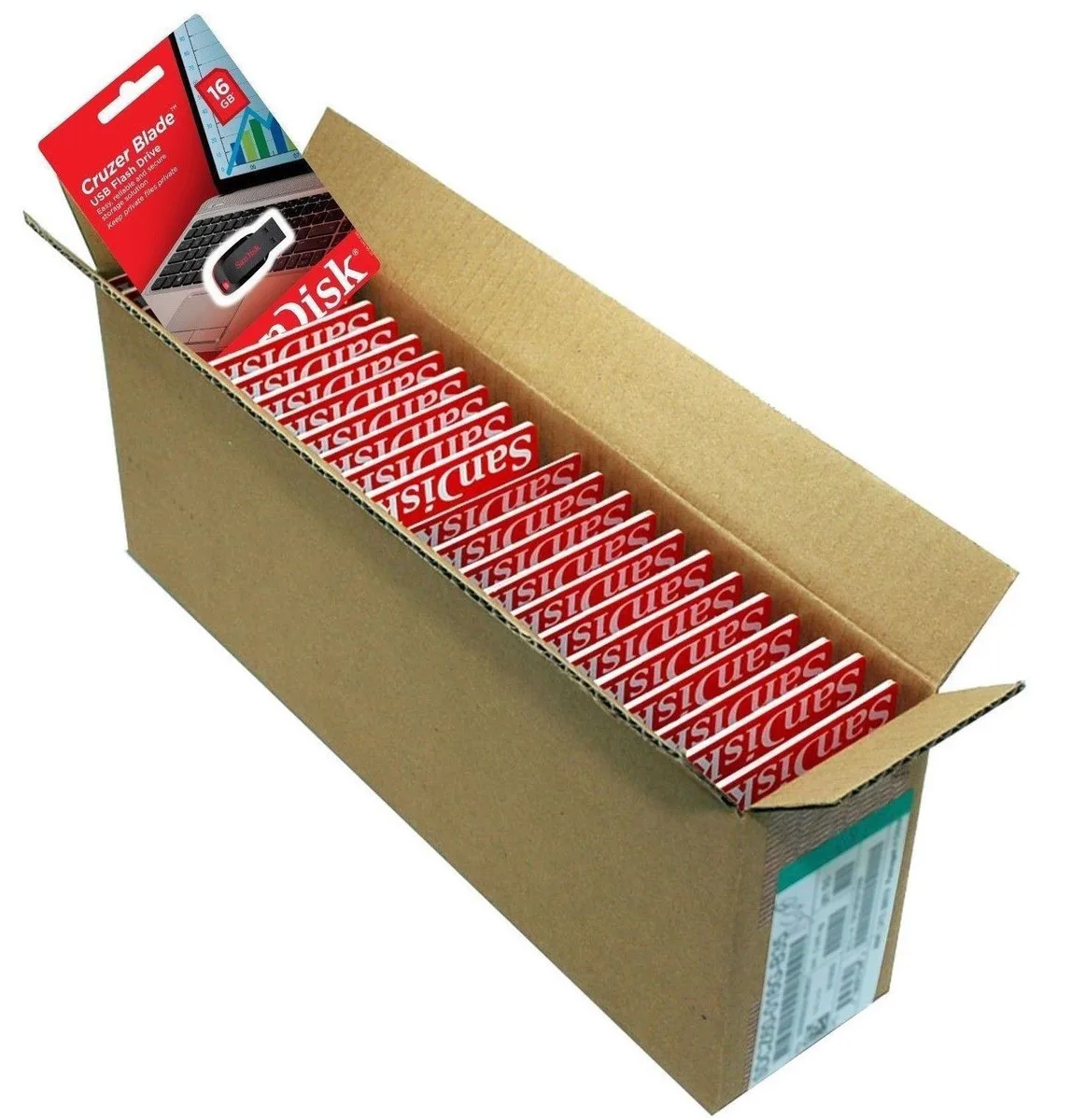
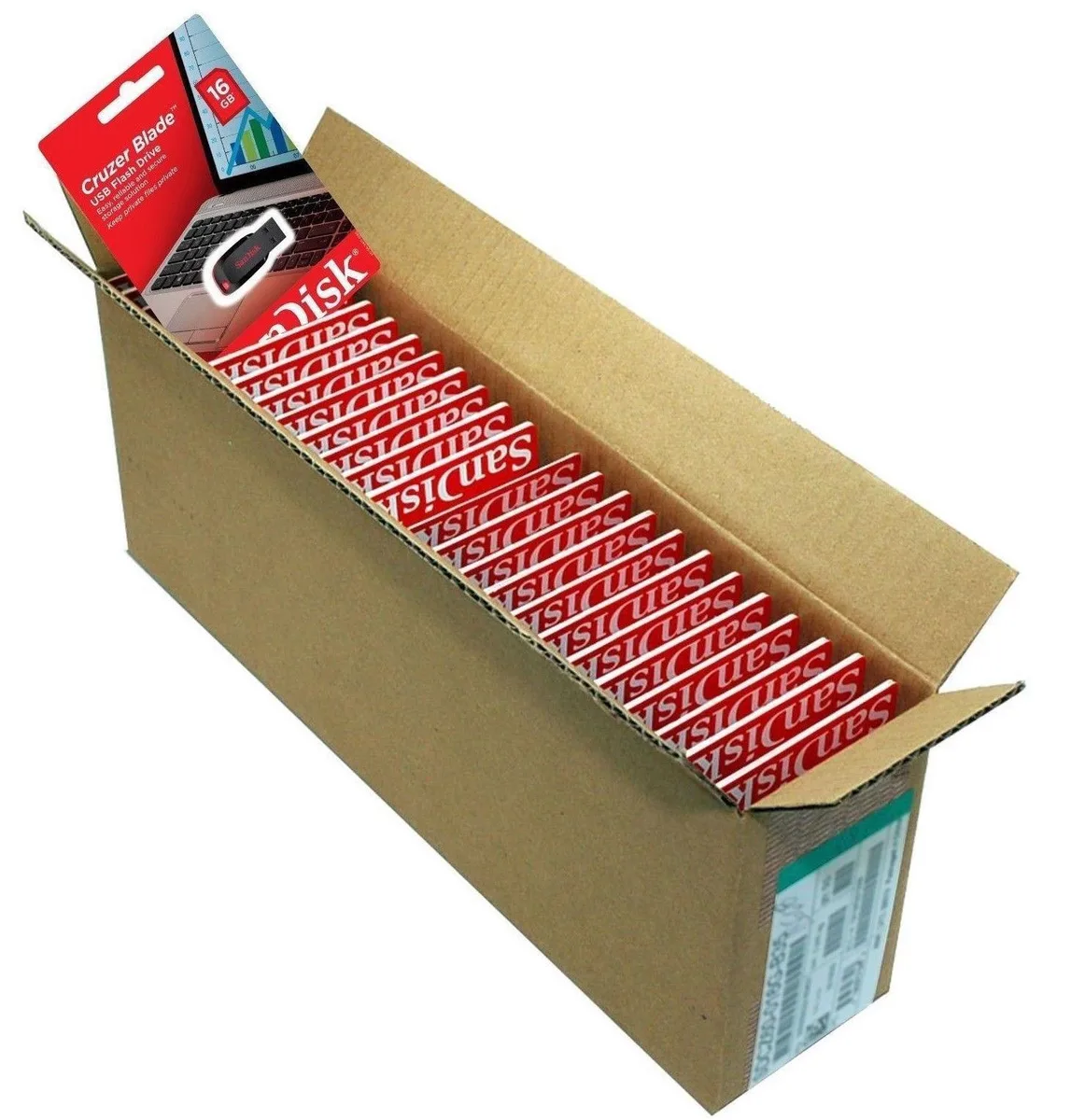
SanDisk Cruzer Blade 8 GB USB 2.0 USB flash drive Black SDCZ50-008G-B35
$391.99
0.00501067BTC
在庫あり


LORDWORLD
Connects a PC to Altera FPGA boards via 10-pin header for JTAG, AS and PS programming over USB 2.0
The LORDWORLD USB Blaster V2 connects a PC USB 2.0 port to a standard 10-pin header on an Altera FPGA or CPLD board. It transfers configuration data for iterative prototyping or production programming. The cable targets engineers and students working with Altera programmable logic.
The link runs at USB 2.0 speeds, which limits how fast configuration bitstreams can be streamed to the target. A 10-pin header is required on the board; devices with different pinouts or without a header cannot be connected directly.
The cable body is a small dongle that plugs straight into a USB-A socket, leaving the 10-pin lead free for the target header. No external power supply is needed, drawing power from the host port. The short tether keeps the setup tidy on a crowded bench.
| Brand | LORDWORLD |
|---|
Yes, the cable terminates in a standard 10-pin header that matches the JTAG/AS/PS connector on most Altera FPGA and CPLD development boards.
The USB 2.0 link sets the host-to-cable bandwidth; actual configuration throughput is limited by the FPGA's JTAG TCK frequency and the selected download mode.
The USB 2.0 connection provides ample bandwidth; the practical JTAG clock ceiling is determined by the cable's internal logic and the target board's signal integrity, not the USB link.
同じ売り場の商品
同じ売り場、同じレジ — 8種類のコインと30分間のレートロック。
お支払いに使うコインと、価格表示に使う通貨です。
チェックアウト時にウォレットから送信されます。
表示のみ—カタログの価格は米ドル建てです。
該当する通貨がありません。
サイトの表示言語を選択してください。
一致する言語がありません。
初めてのご利用ですか?
すでにお持ちですか?
自動的な再設定はありません。当店はメールを送信しないため、ワンタイムリンクをお送りすることもできません。アカウントにメールアドレスを残しておいていただければ、担当者が手作業で確認いたします。
リクエストを受け付けました
受信箱に何かが届くことはありません — 当店はメールを一切送信していません。担当者が手作業で確認いたします。
思い出しましたか?