DELL
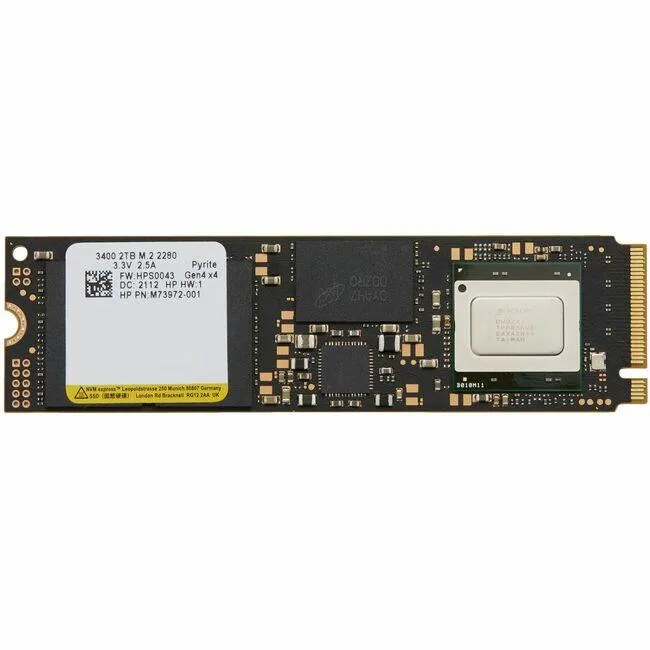
DELL TGYF5-CD1 1.92TB NVMe enterprise SSD
1.92 TB NVMe enterprise SSD for Dell PowerEdge servers with Gen4 read-intensive TLC
- InterfaceDoes Not Apply
- 92 TB capacity for data-intensive workloads
- NVMe interface enables high-throughput storage
- Gen4 RI TLC optimised for read-intensive tasks
- 5 inch form factor fits standard server bays
- Validated across Dell PowerEdge platforms
Dell TGYF5-CD1 1.92TB NVMe enterprise SSD
The Dell TGYF5-CD1 is a 1.92TB NVMe enterprise SSD built for read-intensive data-centre workloads. It uses TLC flash and fits a 2.5-inch drive bay in compatible Dell PowerEdge servers.
NVMe Gen4 interface
The drive connects through an NVMe Gen4 interface, which is the single specification that determines whether it will work in a given server slot. Only systems wired for that protocol can use the device.
1.92TB capacity for read-heavy tasks
At 1.92TB the drive comfortably holds operating-system images, logging databases and cached data sets typical of read-intensive roles. Write-heavy applications such as large-scale OLTP or sustained video ingest will exhaust its endurance more quickly.
Najważniejsze cechy
- 92 TB capacity for data-intensive workloads
- NVMe interface enables high-throughput storage
- Gen4 RI TLC optimised for read-intensive tasks
- 5 inch form factor fits standard server bays
- Validated across Dell PowerEdge platforms
Specyfikacja
| Brand | Dell |
|---|---|
| Model | MZQL21T9HCJR-00AD3, TGYF5, 345-BJNX |
| Interface | Does Not Apply |
Pytania dotyczące tego produktu
What does the 1.92 TB capacity mean once the drive is installed in a server?
It provides 1.92 TB of usable storage for applications and data in a PowerEdge system.
Which interface does the drive use and what does that limit in practice?
The NVMe interface connects directly to the PCIe bus for low-latency access.
What physical slot or bay does the 2.5 inch form factor require?
It fits a standard 2.5 inch hot-plug bay in compatible PowerEdge servers.
Także w tym dziale
Klienci porównywali też te produkty
Ten sam dział, ta sama kasa — osiem kryptowalut i 30-minutowa blokada kursu.