SanDisk
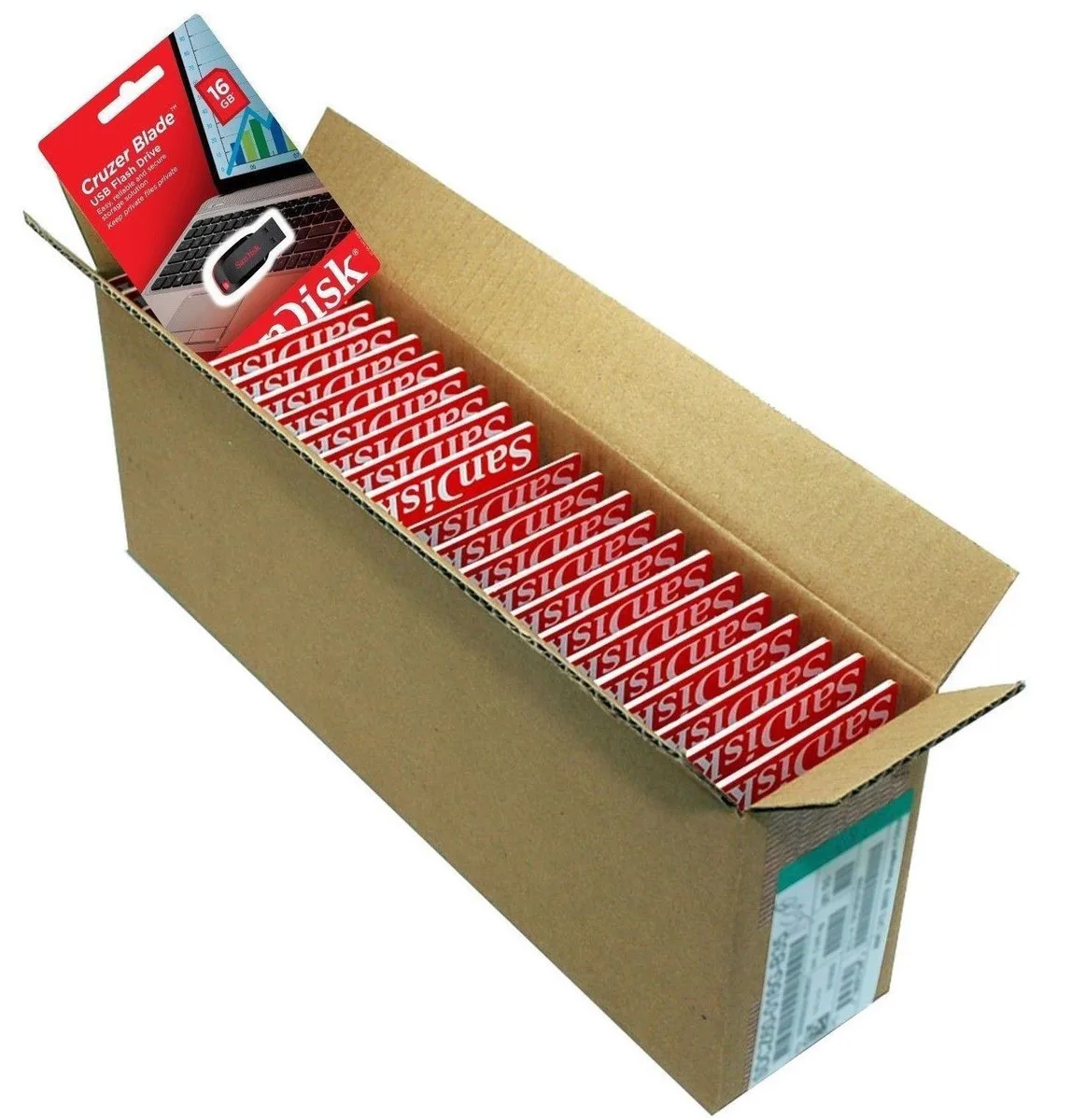
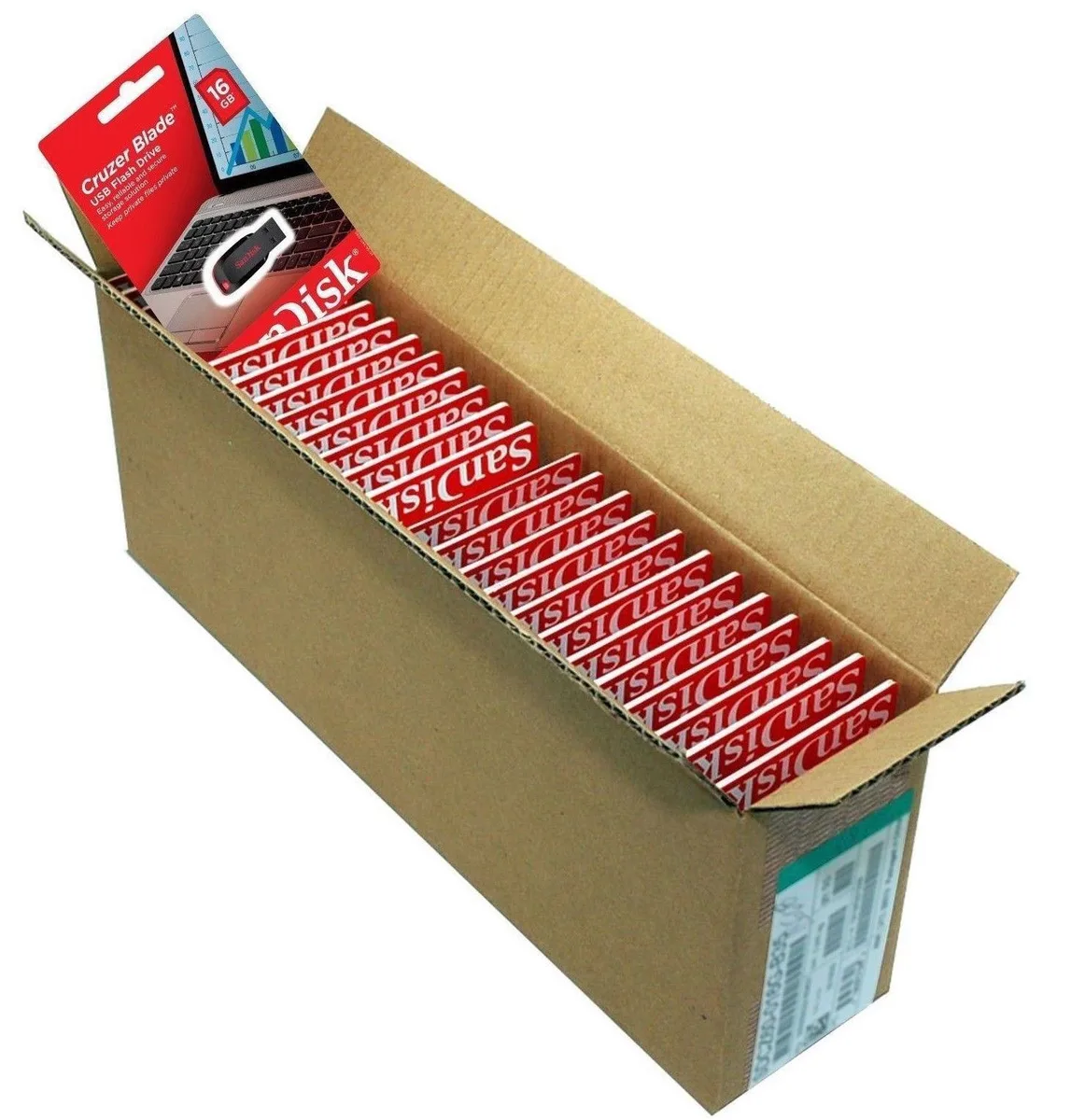
SanDisk Cruzer Blade 8 GB USB 2.0 USB flash drive Black SDCZ50-008G-B35
391,99 USD
0.00501651BTC
DostępnyAkceptujemy kryptowaluty — posiadane środki można więc wykorzystać na zakup prawdziwego sprzętu.Płatność kryptowalutą — realny sprzęt w zamian. Bezpłatna, ubezpieczona dostawa na całym świecie powyżej 399 $. Neutralne kartony, bez oznaczeń, wysyłane z Niemiec.Bezpłatna, ubezpieczona dostawa powyżej 399 $. Kurs zostaje zablokowany na 30 minut od otwarcia kasy.Kurs zablokowany na 30 minut. Każdy produkt jest fabrycznie zapieczętowany, jego numer seryjny jest sprawdzany, a całość objęta jest 24-miesięczną gwarancją.Zapieczętowane fabrycznie, 24 miesiące gwarancji.


MCDODO
Six ESP32-S3 development boards with 44-pin breakout and 8 MB PSRAM, plus two 50 cm USB-C cables for IoT prototyping
This pack contains six ESP32-S3 development boards based on the ESP32-S3-WROOM-1-N16R8 module. Each board exposes 44 pins and includes 8 MB of PSRAM for larger buffers and deeper firmware stacks. Two 50 cm USB-C cables are supplied for power and serial communication across the set. The boards arrive new and ready for immediate prototyping.
The six identical boards suit classroom labs, mesh-network prototypes or any project that needs several nodes running the same firmware. Engineers who require a single high-pin-count board or a different module variant should look at other options. The included cable count covers only two simultaneous USB connections.
The 44-pin layout breaks out every I/O from the ESP32-S3-WROOM-1-N16R8 module, while the 8 MB PSRAM extends usable memory for graphics, audio or protocol stacks. This combination determines whether the board fits a given shield, breadboard or enclosure design.
| Type | Single Board Computers |
|---|
The 8 MB PSRAM provides ample space for typical IoT firmware and runtime buffers; the 16 MB flash stores the program itself.
The bare boards have no fans and draw little power, so they stay silent and only warm slightly under constant wireless load.
You need a host computer with a USB port and the ESP-IDF or Arduino toolchain installed to flash each board.
Także w tym dziale
Ten sam dział, ta sama kasa — osiem kryptowalut i 30-minutowa blokada kursu.
Waluta płatności i waluta wyświetlania cen.
Wysyłane z portfela przy kasie
Tylko podgląd — katalog wyceniony jest w dolarach
Brak pasującej waluty.
Wybierz język, w którym wyświetla się strona.
Brak pasującego języka.
Pierwsza wizyta?
Konto już założone?
Nie ma automatycznego resetowania hasła: ten sklep nie wysyła żadnych e-maili, więc nie ma jednorazowego linku, o który można by poprosić. Adres pozostawiony przy koncie zostanie obsłużony ręcznie.
Zgłoszenie zapisane
Do skrzynki odbiorczej nic nie trafi — ten sklep nie wysyła żadnych e-maili. Zgłoszenia są obsługiwane ręcznie.
Hasło się przypomniało?