SAMSUNG
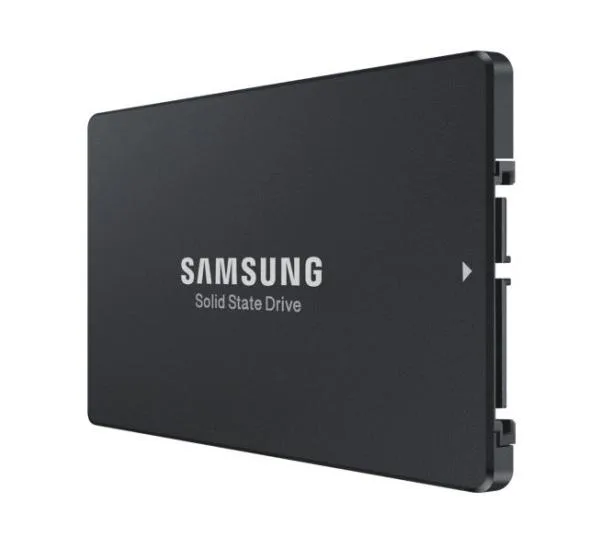
SAMSUNG PM1725b 1.6TB NVMe internal SSD
A 1.6 TB NVMe internal SSD using triple-level cell technology with a PCI-Express 3.0 x4 interface
- Device TypeInternal Solid State Drive (SSD)
- Weight3.0000
- 6 TB capacity for large data sets
- NVMe protocol for low-latency access
- PCI-Express 3.0 x4 interface for high throughput
- 0 g lightweight design for dense servers
Samsung PM1725b 1.6TB NVMe internal SSD
This Samsung PM1725b drive provides 1.6TB of solid-state storage for servers and workstations that use a PCI-Express 3.0 x4 NVMe interface. It is built with triple-level cell flash for high-capacity read-intensive workloads such as database caching, content delivery and virtualisation. Buyers who need a different capacity or a PCIe 4.0 interface should look at other models.
Thermals, noise and power draw
As a solid-state device with no moving parts, the drive produces no audible noise during operation. Heat output is low in typical read-heavy use, so standard server airflow is sufficient for cooling. Power draw scales with activity and stays within the limits of the PCIe slot. The unit weighs 3.0000 grams.
Najważniejsze cechy
- 6 TB capacity for large data sets
- NVMe protocol for low-latency access
- PCI-Express 3.0 x4 interface for high throughput
- 0 g lightweight design for dense servers
Specyfikacja
| Device Type | Internal Solid State Drive (SSD) |
|---|---|
| Weight | 3.0000 |
Pytania dotyczące tego produktu
How is the Samsung PM1725b 1.6TB NVMe drive installed and which step is often missed?
Insert the card into a PCI-Express 3.0 x4 slot, secure it with the retention screw, then enable NVMe boot support in the system firmware before the OS will recognise it.
What maintenance or replacement will the Samsung PM1725b 1.6TB NVMe drive need later?
The drive uses triple-level cell flash; monitor SMART health attributes and plan replacement once the media‑wear indicator approaches its rated limit.
Także w tym dziale
Klienci porównywali też te produkty
Ten sam dział, ta sama kasa — osiem kryptowalut i 30-minutowa blokada kursu.