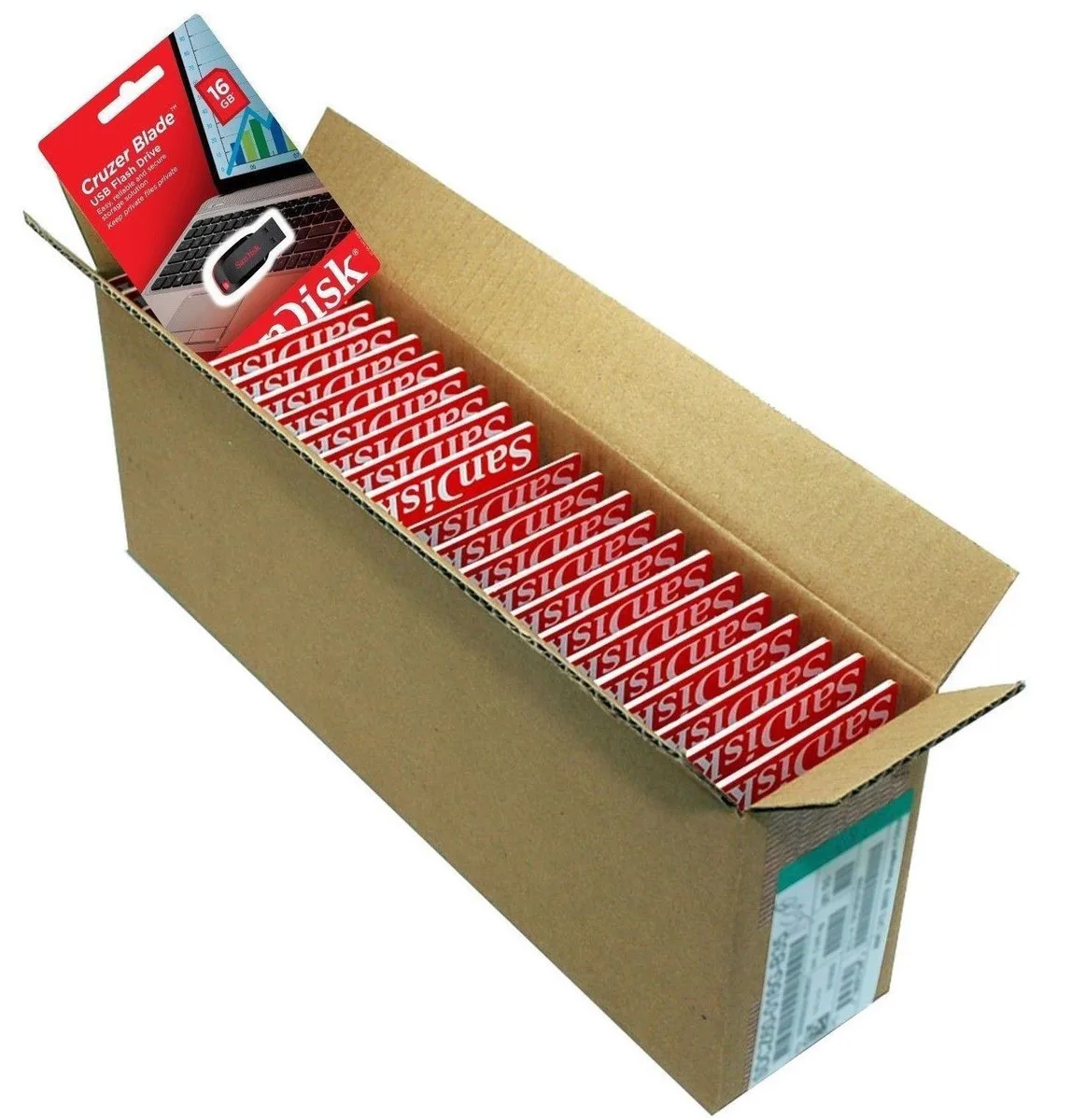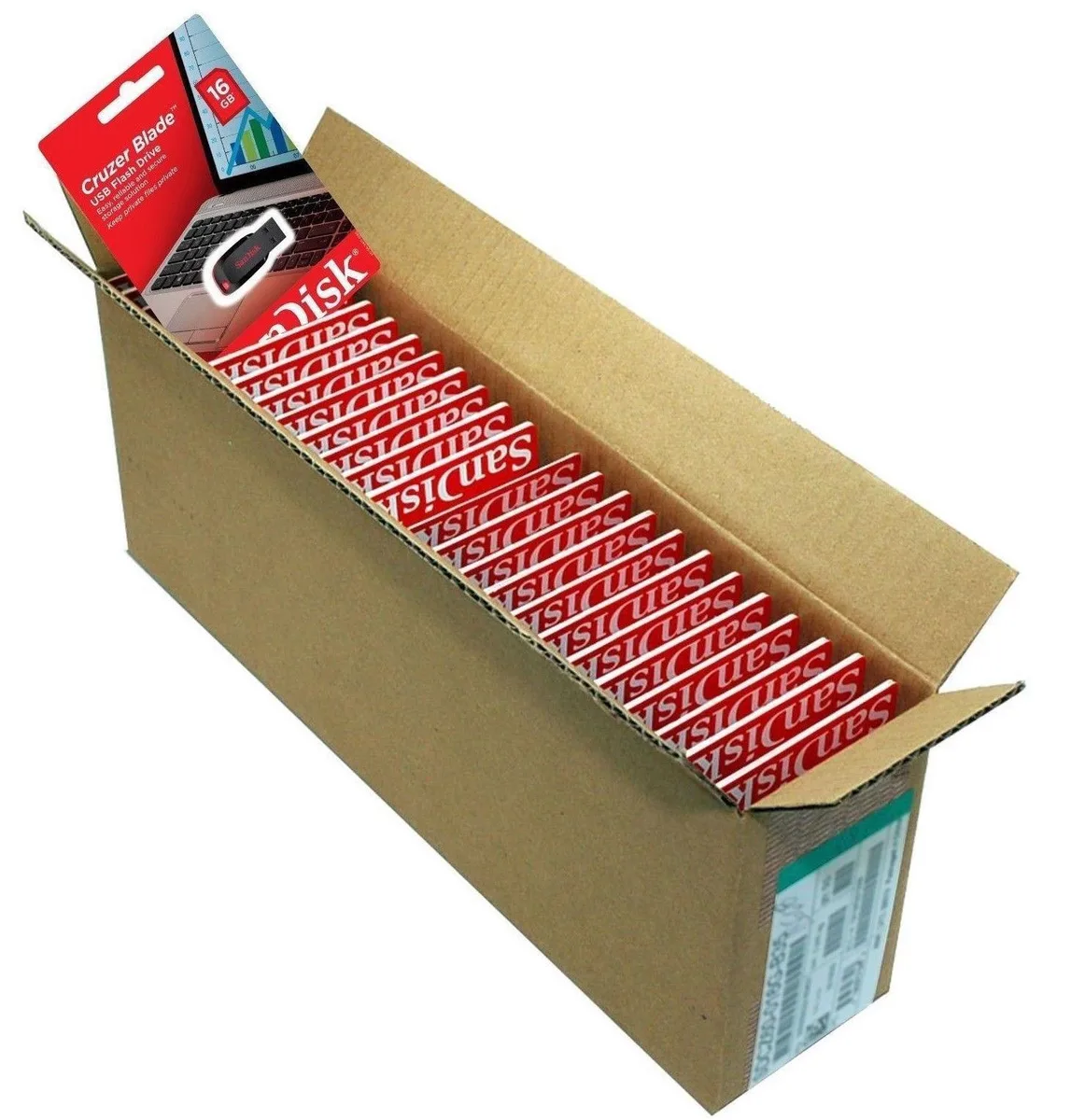
SanDisk
SanDisk Cruzer Blade 8 GB USB 2.0 USB flash drive Black SDCZ50-008G-B35
US$391.99
0.00502107BTC
มีสินค้าเรารับชำระด้วยคริปโต — เหรียญที่คุณถืออยู่จึงนำมาซื้อฮาร์ดแวร์ของจริงได้จ่ายด้วยคริปโต แล้วนำไปซื้อฮาร์ดแวร์ของจริง จัดส่งฟรีพร้อมประกันภัยทั่วโลก เมื่อสั่งซื้อเกิน US$399 กล่องพัสดุเรียบไม่มีตราสินค้า จัดส่งจากประเทศเยอรมนีจัดส่งฟรีพร้อมประกันภัย เมื่อสั่งซื้อเกิน US$399 อัตราแลกเปลี่ยนของคุณจะถูกล็อกไว้ 30 นาที ทันทีที่เปิดหน้าชำระเงินล็อกอัตราแลกเปลี่ยน 30 นาที สินค้าทุกชิ้นปิดผนึกจากโรงงาน ตรวจสอบหมายเลขซีเรียล และรับประกัน 24 เดือนปิดผนึกจากโรงงาน รับประกัน 24 เดือน
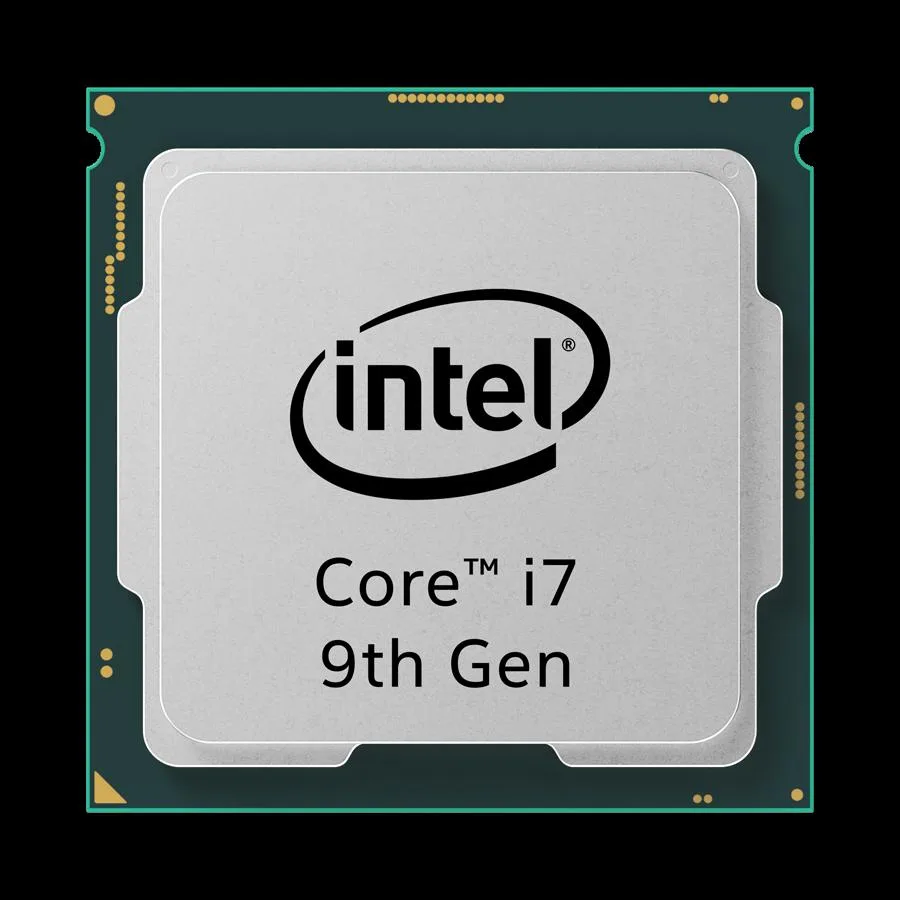


Intel
Eight-core desktop CPU reaching 4.9 GHz turbo with 12 MB L3 cache and integrated Intel UHD Graphics 630
The Intel Core i7-9700K is an 8-core, 8-thread desktop CPU built on 14nm Coffee Lake architecture. Base frequency sits at 3.6 GHz with a maximum turbo of 4.9 GHz. It targets users who want strong single-thread speed and multi-core throughput for gaming, content creation and general productivity without stepping up to a higher core-count tier.
The processor fits only motherboards with an LGA 1151 socket wired for the 300-series chipset. Memory support is dual-channel DDR4. The integrated Intel UHD Graphics 630 runs at a base of 350 MHz and can reach 1.2 GHz dynamically, providing display output when a discrete graphics card is not installed. A thermal solution is not included in the box.
Builders moving from a 4-core or non-K 8th Generation processor gain two additional cores, higher turbo headroom and an unlocked multiplier for overclocking. The jump makes sense when workloads scale beyond four threads or when higher sustained clocks reduce frame-time variance in CPU-bound titles. It does not suit buyers who need more than eight threads or who require a platform with newer I/O standards.
| Brand | Intel |
|---|---|
| Processors Type | Desktop |
| Series | Core i7 9th Gen |
| Name | Core i7-9700K |
| Model | BX80684I79700K |
| CPU Socket Type | LGA 1151 (300 Series) |
| Core Name | Coffee Lake |
| # of Cores | 8-Core |
| # of Threads | 8-Threads |
| Operating Frequency | 3.6 GHz |
| Max Turbo Frequency | 4.9 GHz |
| Bus Speed | 8 GT/s |
| L3 Cache | 12MB |
| Manufacturing Tech | 14nm |
| Memory Types | DDR4 |
| Memory Channel | 2 |
| Virtualization Technology Support | Yes |
| Integrated Graphics | Intel HD Graphics 630 |
| Graphics Base Frequency | 350 MHz |
| Graphics Max Dynamic Frequency | 1.2 GHz |
| PCI Express Revision | 3.0 |
| Max Number of PCI Express Lanes | 16 |
| Thermal Design Power | 95W |
| Operating System Supported | Windows 11 |
The 9700K has 8 cores and 8 threads at 3.6 GHz base with 4.9 GHz max turbo, giving more parallel throughput than a 6-core chip for rendering or heavy multitasking.
The 4.9 GHz peak applies to one or two cores under light loads; sustained all-core speeds sit lower, so gaming and burst tasks benefit while long renders run nearer the 3.6 GHz base.
The processor supports dual-channel DDR4 and 8 GT/s bus speed; memory frequency and PCIe lane count are set by the 300-series chipset, not the CPU itself.
อื่น ๆ ในหมวดนี้
หมวดเดียวกัน การชำระเงินแบบเดียวกัน — แปดสกุลเงินคริปโตและอัตราแลกเปลี่ยนที่ล็อกไว้ 30 นาที
สิ่งที่คุณใช้ชำระ และสิ่งที่คุณใช้อ่านราคา
ส่งจากกระเป๋าเงินของคุณเมื่อชำระเงิน
แสดงผลเท่านั้น — แคตตาล็อกสินค้าตั้งราคาเป็นดอลลาร์สหรัฐ
ไม่พบสกุลเงินที่ตรงกัน
เลือกภาษาที่ต้องการให้เว็บไซต์แสดงผล
ไม่พบภาษาที่ตรงกัน
ยังไม่เคยใช้งานใช่ไหม
มีบัญชีอยู่แล้วใช่ไหม
ไม่มีการรีเซ็ตแบบอัตโนมัติ ร้านนี้ไม่ส่งอีเมลใด ๆ จึงไม่มีลิงก์ใช้ครั้งเดียวให้ขอ ปล่อยที่อยู่อีเมลนี้ไว้ในบัญชี แล้วเจ้าหน้าที่จะดำเนินการให้ด้วยตนเอง
รับคำขอแล้ว
ไม่มีอะไรถูกส่งไปยังกล่องจดหมายของคุณ — ร้านนี้ไม่ส่งอีเมลใด ๆ เลย มีคนดำเนินการเรื่องนี้ให้ด้วยมือ
นึกออกแล้วใช่ไหม