SanDisk
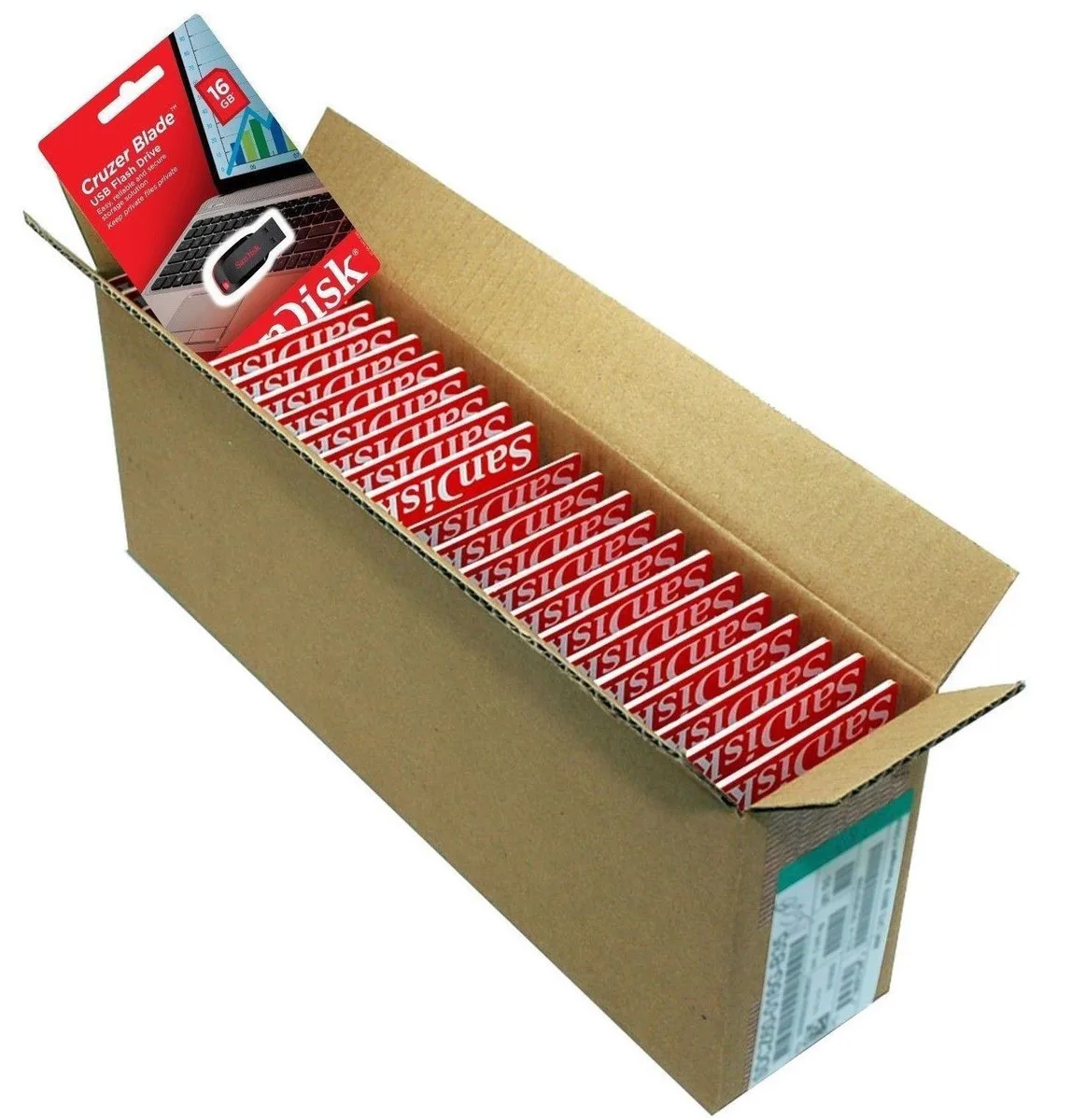
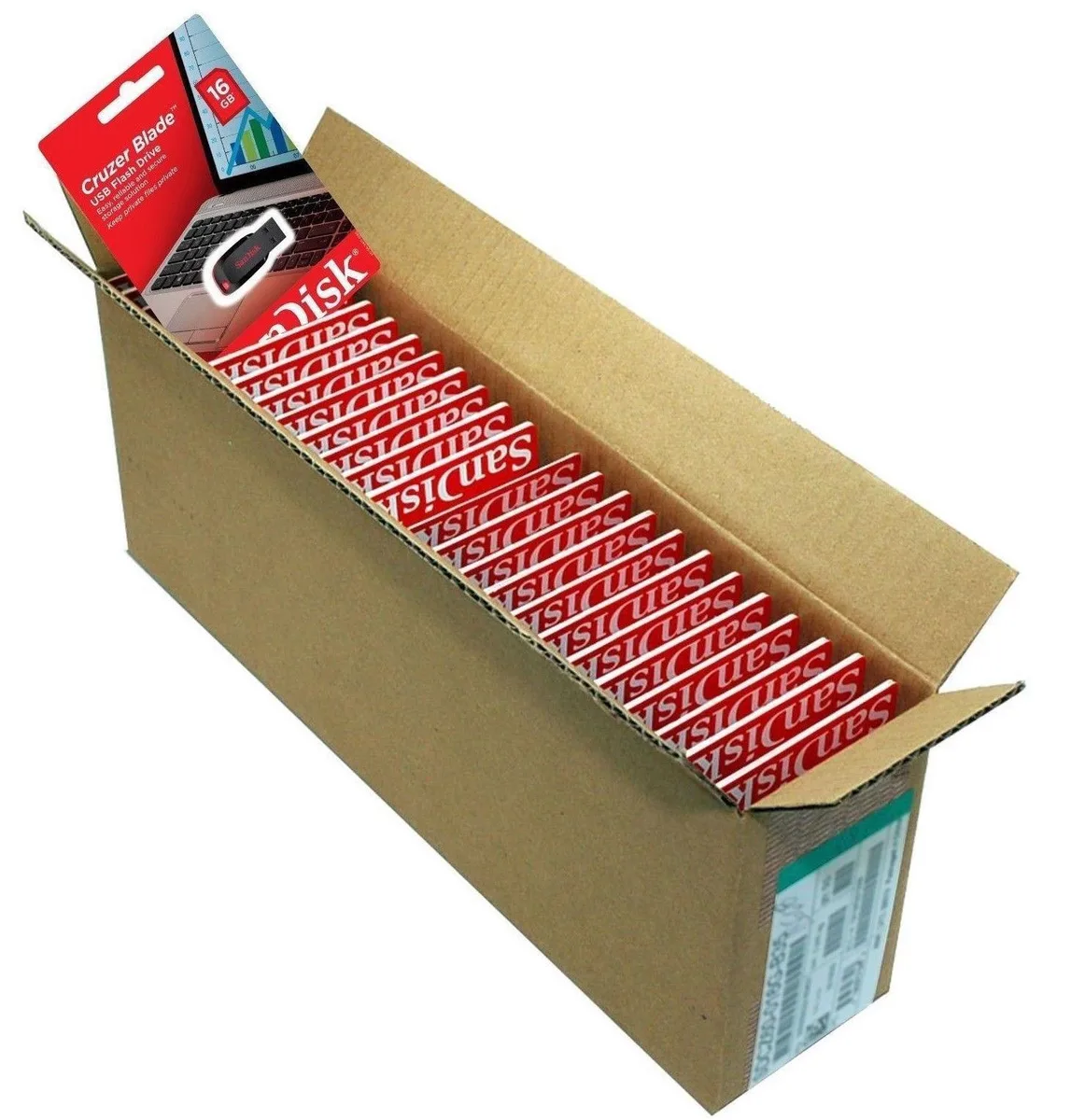
SanDisk Cruzer Blade 8 GB USB 2.0 USB flash drive Black SDCZ50-008G-B35
391,99 $
0.0050194BTC
VarastossaHyväksymme kryptoa — hallussasi olevat kolikot voivat näin ostaa oikeaa laitteistoa.Maksa kryptolla, käytä se oikeaan laitteistoon. Ilmainen vakuutettu toimitus maailmanlaajuisesti yli 399 $. Neutraalit, tuotemerkittömät ulkopakkaukset, lähetetään Saksasta.Ilmainen vakuutettu toimitus yli 399 $. Kurssisi lukitaan 30 minuutiksi heti, kun kassa avautuu.Kurssi lukittu 30 minuutiksi. Jokainen tuote on sinetöity, sen sarjanumero on tarkistettu, ja sillä on 24 kuukauden takuu.Sinetöity, 24 kuukauden takuu.


Pimoroni
Monitors temperature, pressure, humidity and indoor air quality via a Bosch BME680 sensor with I2C address selection and Qwiic/STEMMA QT connector for Raspberry Pi and Arduino
The Pimoroni PIM357 breakout board carries a Bosch BME680 sensor that measures temperature, pressure, humidity and gas resistance. It connects via I2C with an address selectable between 0x76 and 0x77 using the ADDR solder bridge. Boards made from November 2021 include a Qwiic/STEMMA QT connector for solderless wiring. The board works at 3.3V or 5V and includes reverse polarity protection.
This breakout suits hobbyists and developers who want to log volatile organic compound trends alongside temperature and humidity on a Raspberry Pi or Arduino. It is not for projects that require calibrated CO2 concentrations, particulate counts or certified air-quality reporting. Buyers needing multi-gas detection or industrial-grade accuracy should look at dedicated instruments.
The pin header matches Raspberry Pi pins 1, 3, 5, 7 and 9 so the board plugs directly onto a Pi GPIO header or a Breakout Garden slot. The Qwiic/STEMMA QT port lets you daisy-chain additional I2C devices without a breadboard. A Python library is available for Raspberry Pi and the sensor is also supported in the Arduino ecosystem.
Tälle tuotteelle ei ole vielä julkaistu teknisiä tietoja.
The board uses an I2C bus and fits Raspberry Pi pins 1, 3, 5, 7, 9; boards made from November 2021 onwards also include a Qwiic/STEMMA QT connector for plug-and-play use.
Yes, the breakout is 3.3 V or 5 V compatible and includes reverse polarity protection, so it can be connected directly to either voltage level.
Scan the I2C bus for address 76 or 77 (set by the ADDR solder bridge), then read temperature, pressure, humidity and gas resistance registers to verify live data.
Myös tällä osastolla
Sama osasto, sama kassa — kahdeksan kryptovaluuttaa ja 30 minuutin kurssilukko.
Valuutta, jolla maksetaan, sekä valuutta, jossa hinnat näytetään.
Lähetetään lompakostasi kassalla
Vain näyttöä varten — hinnat ovat Yhdysvaltain dollareissa
Valuuttaa ei löytynyt.
Valitse kieli, jolla sivusto puhuu sinulle.
Ei vastaavaa kieltä.
Uusi täällä?
Onko sinulla jo tili?
Automaattista palautusta ei ole: kauppa ei lähetä sähköpostia lainkaan, joten kertakäyttöistä linkkiä ei ole mistä pyytää. Jätä osoite tilille, niin se käsitellään käsin.
Pyyntö kirjattu
Mikään ei ole tulossa sähköpostiisi — tämä kauppa ei lähetä sähköpostia lainkaan. Joku käsittelee nämä pyynnöt käsin.
Muistitko sen?