SanDisk
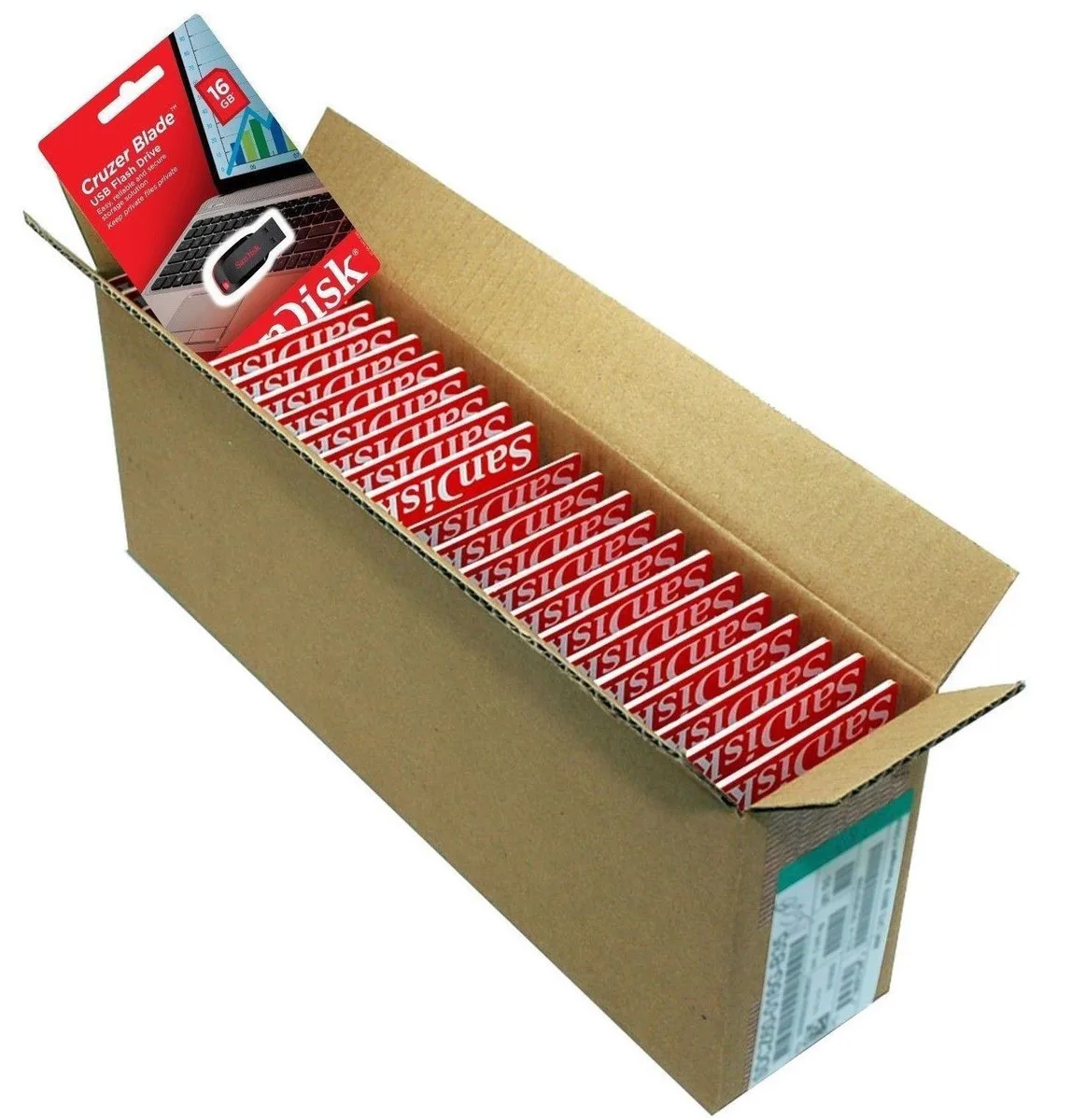
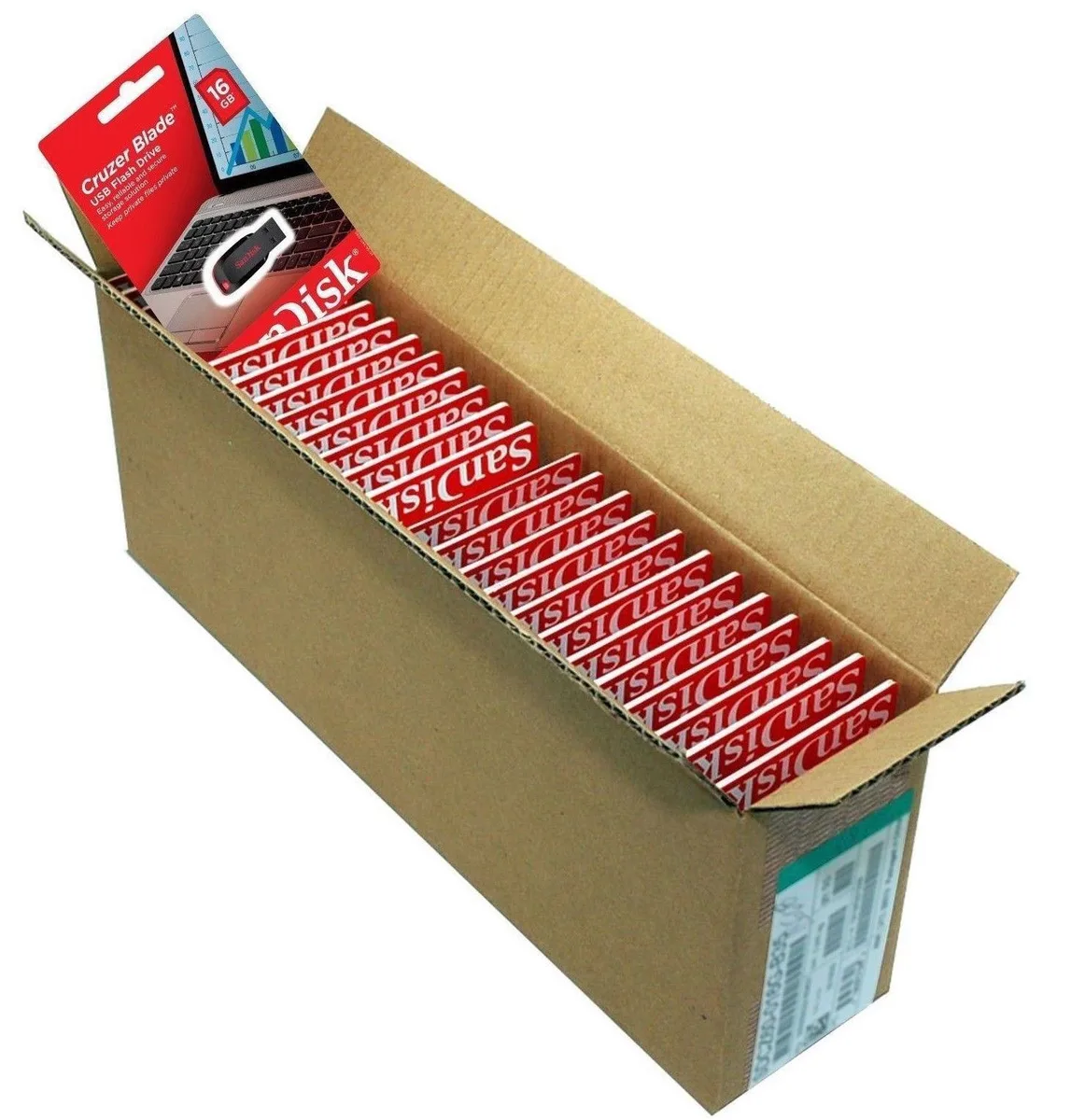
SanDisk Cruzer Blade 8 GB USB 2.0 USB flash drive Black SDCZ50-008G-B35
391.99 $
0.0050194BTC
במלאיאנחנו מקבלים תשלום בקריפטו — כך שמטבעות הקריפטו שברשותך יכולים לקנות ציוד אמיתי.שלם בקריפטו, קנה איתו ציוד אמיתי. משלוח חינם ומבוטח לכל העולם מעל 399 $. קרטונים ניטרליים וללא מיתוג, נשלחים מגרמניה.משלוח חינם ומבוטח מעל 399 $. השער שלך ננעל ל-30 דקות מרגע פתיחת הקופה.שער נעול ל-30 דקות. כל פריט אטום, המספר הסידורי שלו נבדק, והוא מכוסה באחריות ל-24 חודשים.אטום, באחריות ל-24 חודשים.


Pimoroni
Monitors temperature, pressure, humidity and indoor air quality via a Bosch BME680 sensor with I2C address selection and Qwiic/STEMMA QT connector for Raspberry Pi and Arduino
The Pimoroni PIM357 breakout board carries a Bosch BME680 sensor that measures temperature, pressure, humidity and gas resistance. It connects via I2C with an address selectable between 0x76 and 0x77 using the ADDR solder bridge. Boards made from November 2021 include a Qwiic/STEMMA QT connector for solderless wiring. The board works at 3.3V or 5V and includes reverse polarity protection.
This breakout suits hobbyists and developers who want to log volatile organic compound trends alongside temperature and humidity on a Raspberry Pi or Arduino. It is not for projects that require calibrated CO2 concentrations, particulate counts or certified air-quality reporting. Buyers needing multi-gas detection or industrial-grade accuracy should look at dedicated instruments.
The pin header matches Raspberry Pi pins 1, 3, 5, 7 and 9 so the board plugs directly onto a Pi GPIO header or a Breakout Garden slot. The Qwiic/STEMMA QT port lets you daisy-chain additional I2C devices without a breadboard. A Python library is available for Raspberry Pi and the sensor is also supported in the Arduino ecosystem.
טרם פורסם מפרט טכני לפריט זה.
The board uses an I2C bus and fits Raspberry Pi pins 1, 3, 5, 7, 9; boards made from November 2021 onwards also include a Qwiic/STEMMA QT connector for plug-and-play use.
Yes, the breakout is 3.3 V or 5 V compatible and includes reverse polarity protection, so it can be connected directly to either voltage level.
Scan the I2C bus for address 76 or 77 (set by the ADDR solder bridge), then read temperature, pressure, humidity and gas resistance registers to verify live data.
גם במדף הזה
אותו מדף, אותה קופה — שמונה מטבעות קריפטו ונעילת שער ל-30 דקות.
באיזה מטבע משלמים, ובאיזה מטבע מוצגים המחירים.
נשלח מהארנק שלך בקופה
לתצוגה בלבד — הקטלוג מתומחר בדולר ארה״ב
לא נמצא מטבע מתאים.
בחר את השפה שבה האתר פונה אליך.
אף שפה לא תואמת.
חדש כאן?
כבר יש לך חשבון?
אין כאן איפוס אוטומטי: החנות הזו לא שולחת אימייל, ולכן אין קישור חד-פעמי לבקש. השאר את הכתובת בחשבון, והיא תטופל ידנית.
הבקשה נקלטה
שום דבר לא בדרך לתיבת האימייל שלך — החנות הזו לא שולחת אימייל בכלל. מישהו אוסף את הבקשות האלה ידנית.
נזכרת בה?