SanDisk
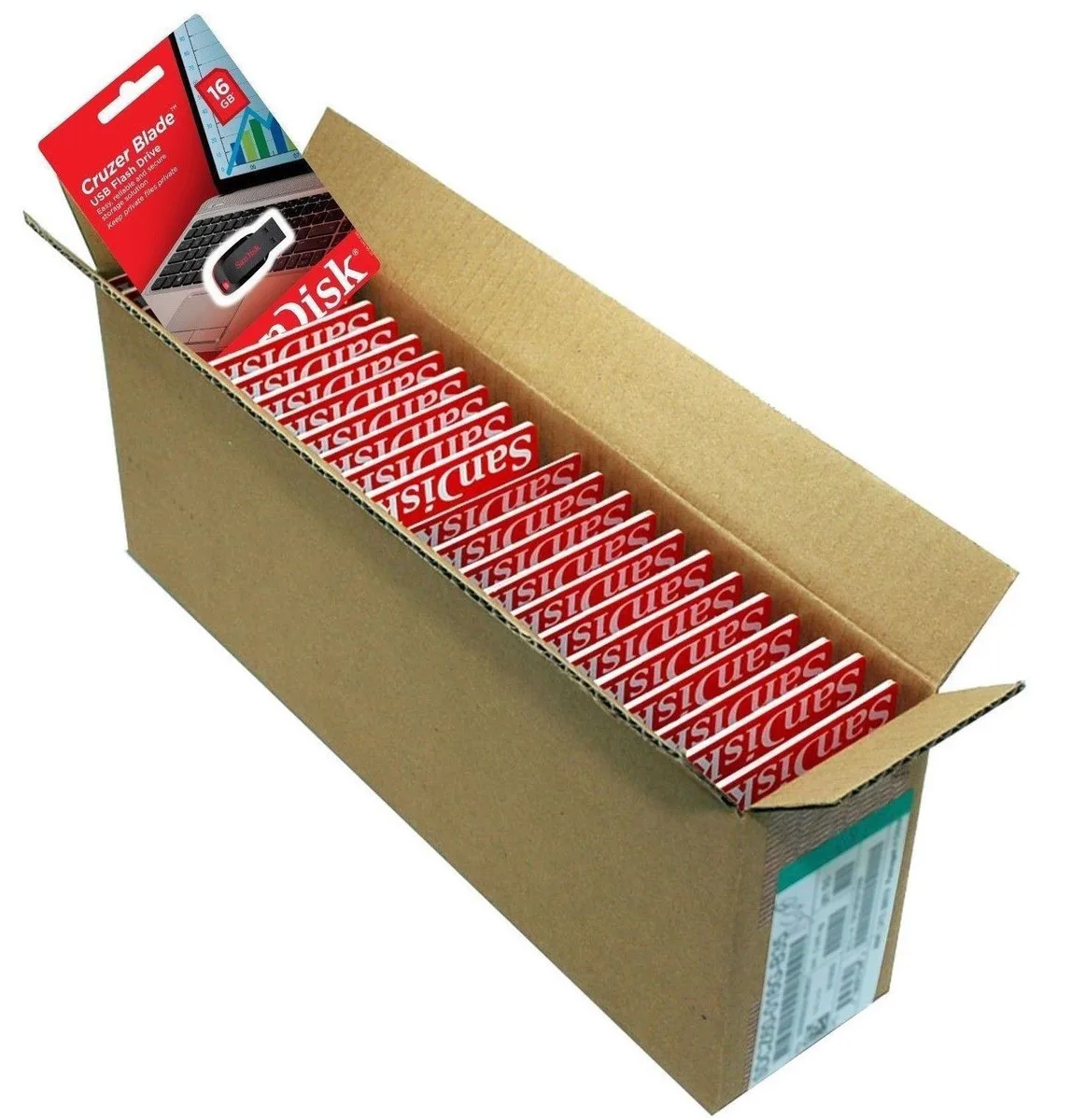
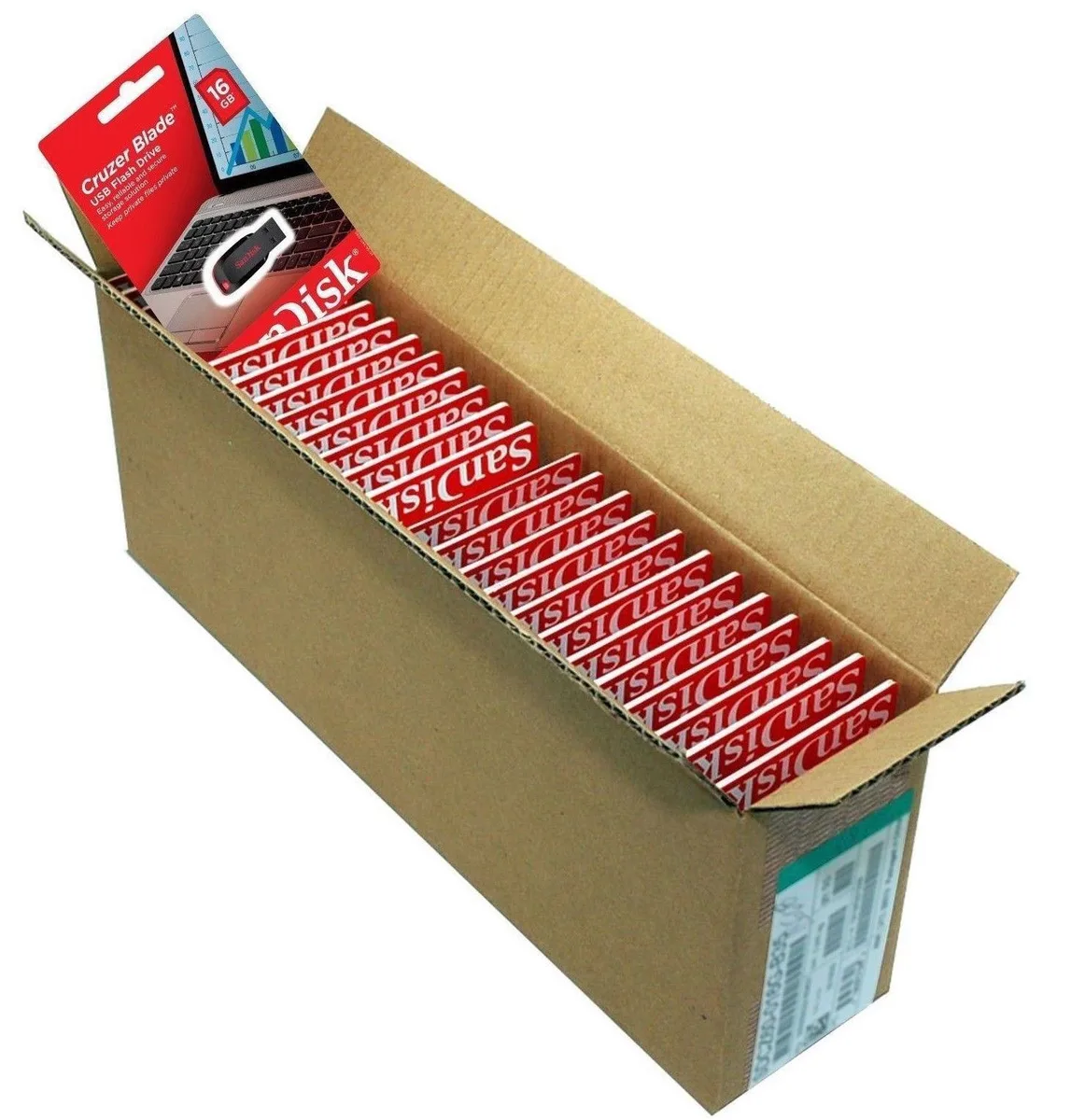
SanDisk Cruzer Blade 8 GB USB 2.0 USB flash drive Black SDCZ50-008G-B35
391,99 USD
0.00501067BTC
În stocAcceptăm criptomonede — astfel, criptomonedele pe care le dețineți pot cumpăra echipamente reale.Plătiți în cripto, cheltuiți-o pe echipamente reale. Livrare asigurată gratuită oriunde în lume peste 399 $. Cartoane neutre, fără marcă, expediate din Germania.Livrare asigurată gratuită peste 399 $. Cursul dumneavoastră este blocat timp de 30 de minute de la deschiderea paginii de plată.Curs blocat 30 de minute. Fiecare articol este sigilat, numărul de serie este verificat, iar produsul este acoperit de o garanție de 24 de luni.Sigilat, garantat 24 de luni.


Pimoroni
Monitors temperature, pressure, humidity and indoor air quality via a Bosch BME680 sensor with I2C address selection and Qwiic/STEMMA QT connector for Raspberry Pi and Arduino
The Pimoroni PIM357 breakout board carries a Bosch BME680 sensor that measures temperature, pressure, humidity and gas resistance. It connects via I2C with an address selectable between 0x76 and 0x77 using the ADDR solder bridge. Boards made from November 2021 include a Qwiic/STEMMA QT connector for solderless wiring. The board works at 3.3V or 5V and includes reverse polarity protection.
This breakout suits hobbyists and developers who want to log volatile organic compound trends alongside temperature and humidity on a Raspberry Pi or Arduino. It is not for projects that require calibrated CO2 concentrations, particulate counts or certified air-quality reporting. Buyers needing multi-gas detection or industrial-grade accuracy should look at dedicated instruments.
The pin header matches Raspberry Pi pins 1, 3, 5, 7 and 9 so the board plugs directly onto a Pi GPIO header or a Breakout Garden slot. The Qwiic/STEMMA QT port lets you daisy-chain additional I2C devices without a breadboard. A Python library is available for Raspberry Pi and the sensor is also supported in the Arduino ecosystem.
Nicio specificație publicată pentru acest articol deocamdată.
The board uses an I2C bus and fits Raspberry Pi pins 1, 3, 5, 7, 9; boards made from November 2021 onwards also include a Qwiic/STEMMA QT connector for plug-and-play use.
Yes, the breakout is 3.3 V or 5 V compatible and includes reverse polarity protection, so it can be connected directly to either voltage level.
Scan the I2C bus for address 76 or 77 (set by the ADDR solder bridge), then read temperature, pressure, humidity and gas resistance registers to verify live data.
Tot din acest raion
Același raion, aceeași finalizare a comenzii — opt monede și un curs blocat 30 de minute.
În ce monedă plătiți și în ce monedă citiți prețurile.
Trimis din portofelul dumneavoastră la finalizarea comenzii
Doar pentru afișare — catalogul este exprimat în dolari
Nicio monedă nu corespunde.
Alegeți limba în care vă vorbește site-ul.
Nicio limbă nu corespunde.
Prima vizită?
Aveți deja un cont?
Nu există o resetare automată: acest magazin nu trimite niciun e-mail, deci nu există niciun link de unică folosință de solicitat. Lăsați adresa în cont. Va fi tratată manual.
Cerere înregistrată
Nu veți primi nimic în căsuța de e-mail — acest magazin nu trimite niciun e-mail. Cineva se ocupă de asta manual.
V-ați amintit-o?