SanDisk
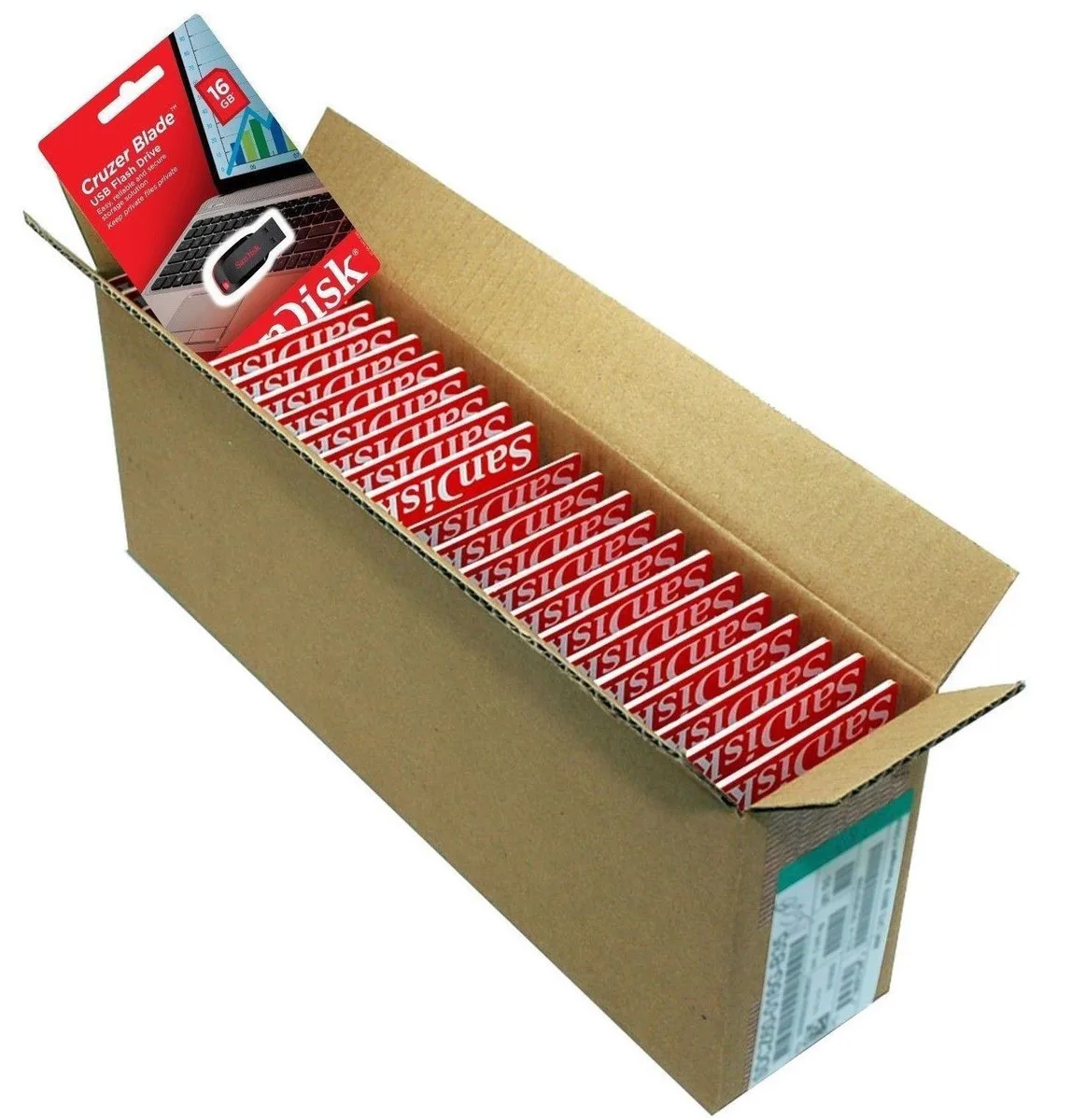
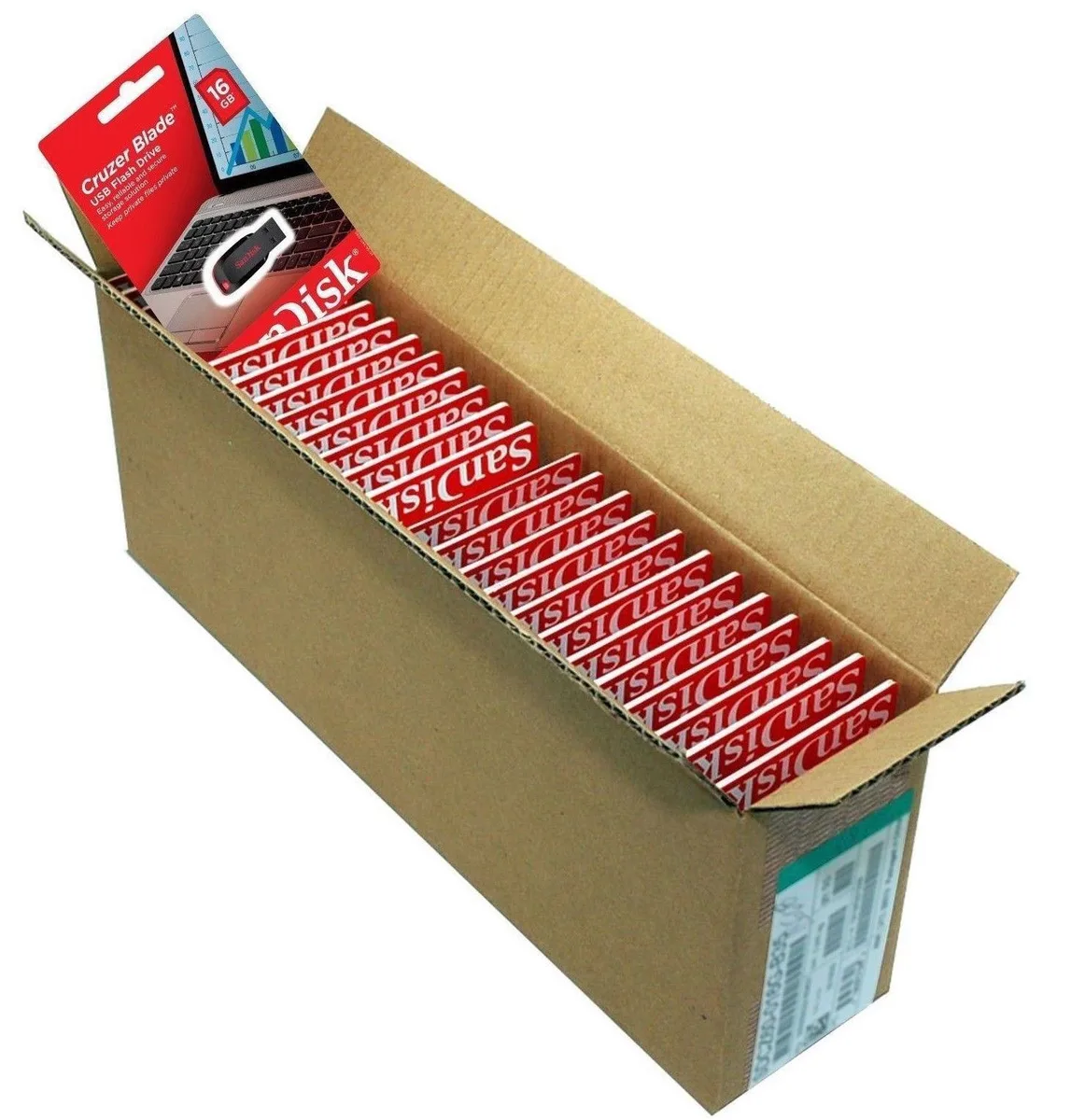
SanDisk Cruzer Blade 8 GB USB 2.0 USB flash drive Black SDCZ50-008G-B35
391,99 USD
0.00501023BTC
SkladomPrijímame kryptomeny — takže mince, ktoré držíte, môžete zameniť za skutočný hardvér.Plaťte v krypte, miňte ho na skutočný hardvér. Poistená doprava zadarmo po celom svete nad 399 $. Neutrálne kartóny bez potlače, odosielané z Nemecka.Poistená doprava zadarmo nad 399 $. Váš kurz je zablokovaný na 30 minút hneď po otvorení pokladne.Kurz zablokovaný na 30 minút. Každý produkt je zapečatený, jeho sériové číslo je overené a vzťahuje sa naň 24-mesačná záruka.Zapečatené, 24-mesačná záruka.


Pimoroni
Monitors temperature, pressure, humidity and indoor air quality via a Bosch BME680 sensor with I2C address selection and Qwiic/STEMMA QT connector for Raspberry Pi and Arduino
The Pimoroni PIM357 breakout board carries a Bosch BME680 sensor that measures temperature, pressure, humidity and gas resistance. It connects via I2C with an address selectable between 0x76 and 0x77 using the ADDR solder bridge. Boards made from November 2021 include a Qwiic/STEMMA QT connector for solderless wiring. The board works at 3.3V or 5V and includes reverse polarity protection.
This breakout suits hobbyists and developers who want to log volatile organic compound trends alongside temperature and humidity on a Raspberry Pi or Arduino. It is not for projects that require calibrated CO2 concentrations, particulate counts or certified air-quality reporting. Buyers needing multi-gas detection or industrial-grade accuracy should look at dedicated instruments.
The pin header matches Raspberry Pi pins 1, 3, 5, 7 and 9 so the board plugs directly onto a Pi GPIO header or a Breakout Garden slot. The Qwiic/STEMMA QT port lets you daisy-chain additional I2C devices without a breadboard. A Python library is available for Raspberry Pi and the sensor is also supported in the Arduino ecosystem.
Pre tento produkt zatiaľ nie sú zverejnené žiadne špecifikácie.
The board uses an I2C bus and fits Raspberry Pi pins 1, 3, 5, 7, 9; boards made from November 2021 onwards also include a Qwiic/STEMMA QT connector for plug-and-play use.
Yes, the breakout is 3.3 V or 5 V compatible and includes reverse polarity protection, so it can be connected directly to either voltage level.
Scan the I2C bus for address 76 or 77 (set by the ADDR solder bridge), then read temperature, pressure, humidity and gas resistance registers to verify live data.
Aj v tomto oddelení
Rovnaké oddelenie, rovnaká pokladňa — osem mien a kurz zablokovaný na 30 minút.
Mena, v ktorej platíte, a mena, v ktorej sa zobrazujú ceny.
Odoslané z vašej peňaženky na pokladni
Len na zobrazenie — katalóg je uvedený v dolároch
Žiadna mena nezodpovedá.
Vyberte jazyk, v ktorom s vami bude web komunikovať.
Žiadny jazyk nezodpovedá.
Ste tu prvýkrát?
Účet už máte?
Automatický reset hesla neexistuje: tento obchod neposiela žiadne e-maily, takže neexistuje jednorazový odkaz, o ktorý by ste mohli požiadať. Nechajte adresu na účte — niekto sa jej ujme ručne.
Žiadosť zaznamenaná
Do vašej schránky nič nepríde — tento obchod neposiela vôbec žiadne e-maily. Niekto sa o to postará ručne.
Spomenuli ste si?