SanDisk
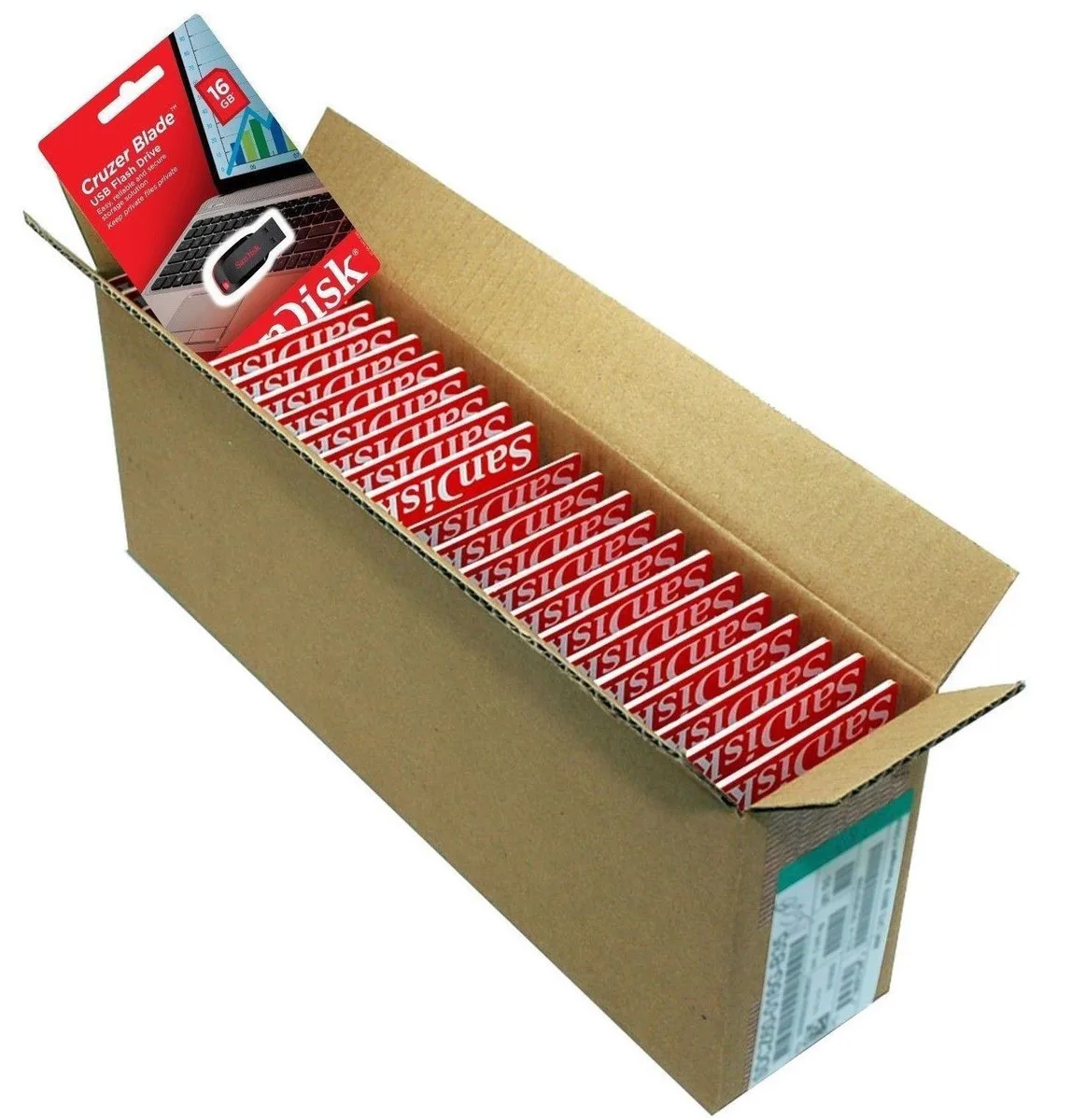
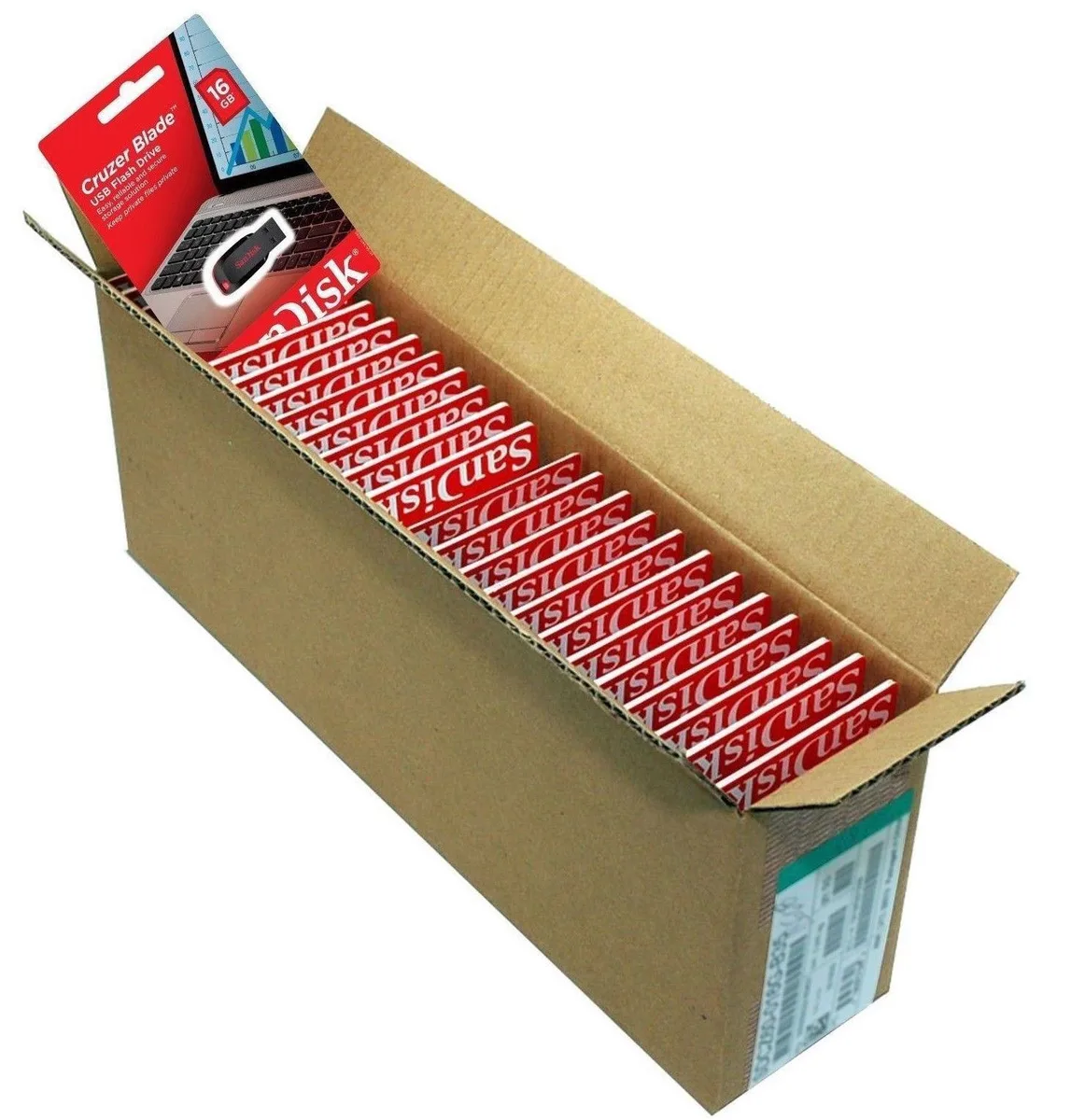
SanDisk Cruzer Blade 8 GB USB 2.0 USB flash drive Black SDCZ50-008G-B35
391,99 $US
0.00501696BTC
En stockNous acceptons la cryptomonnaie — les cryptos que vous détenez peuvent ainsi acheter du matériel réel.Payez en crypto, dépensez-la en matériel réel. Livraison assurée offerte partout dans le monde au-delà de 399 $. Cartons neutres, sans marque, expédiés depuis l’Allemagne.Livraison assurée offerte au-delà de 399 $. Votre taux est bloqué pendant 30 minutes dès l’ouverture de la caisse.Taux bloqué 30 minutes. Chaque article est scellé, son numéro de série est vérifié, et il est couvert par une garantie de 24 mois.Scellé, garanti 24 mois.


Pimoroni
Monitors temperature, pressure, humidity and indoor air quality via a Bosch BME680 sensor with I2C address selection and Qwiic/STEMMA QT connector for Raspberry Pi and Arduino
The Pimoroni PIM357 breakout board carries a Bosch BME680 sensor that measures temperature, pressure, humidity and gas resistance. It connects via I2C with an address selectable between 0x76 and 0x77 using the ADDR solder bridge. Boards made from November 2021 include a Qwiic/STEMMA QT connector for solderless wiring. The board works at 3.3V or 5V and includes reverse polarity protection.
This breakout suits hobbyists and developers who want to log volatile organic compound trends alongside temperature and humidity on a Raspberry Pi or Arduino. It is not for projects that require calibrated CO2 concentrations, particulate counts or certified air-quality reporting. Buyers needing multi-gas detection or industrial-grade accuracy should look at dedicated instruments.
The pin header matches Raspberry Pi pins 1, 3, 5, 7 and 9 so the board plugs directly onto a Pi GPIO header or a Breakout Garden slot. The Qwiic/STEMMA QT port lets you daisy-chain additional I2C devices without a breadboard. A Python library is available for Raspberry Pi and the sensor is also supported in the Arduino ecosystem.
Aucune caractéristique publiée pour cet article pour l’instant.
The board uses an I2C bus and fits Raspberry Pi pins 1, 3, 5, 7, 9; boards made from November 2021 onwards also include a Qwiic/STEMMA QT connector for plug-and-play use.
Yes, the breakout is 3.3 V or 5 V compatible and includes reverse polarity protection, so it can be connected directly to either voltage level.
Scan the I2C bus for address 76 or 77 (set by the ADDR solder bridge), then read temperature, pressure, humidity and gas resistance registers to verify live data.
Également dans ce rayon
Même rayon, même caisse — huit monnaies et un taux bloqué 30 minutes.
Ce que vous envoyez, et ce dans quoi vous lisez les prix.
Envoyé depuis votre portefeuille à la caisse
Affichage seul — le catalogue est libellé en dollars
Aucune monnaie ne correspond.
Choisissez la langue dans laquelle le site vous parle.
Aucune langue ne correspond.
Première visite ?
Vous avez déjà un compte ?
Il n’y a pas de réinitialisation automatique : cette boutique n’envoie aucun e-mail, il n’existe donc aucun lien à usage unique à demander. Laissez l’adresse sur le compte, elle sera traitée à la main.
Demande enregistrée
Rien n’arrivera dans votre boîte de réception — cette boutique n’envoie aucun e-mail. Quelqu’un s’en occupe à la main.
Vous l’avez retrouvé ?