NEMIX RAM
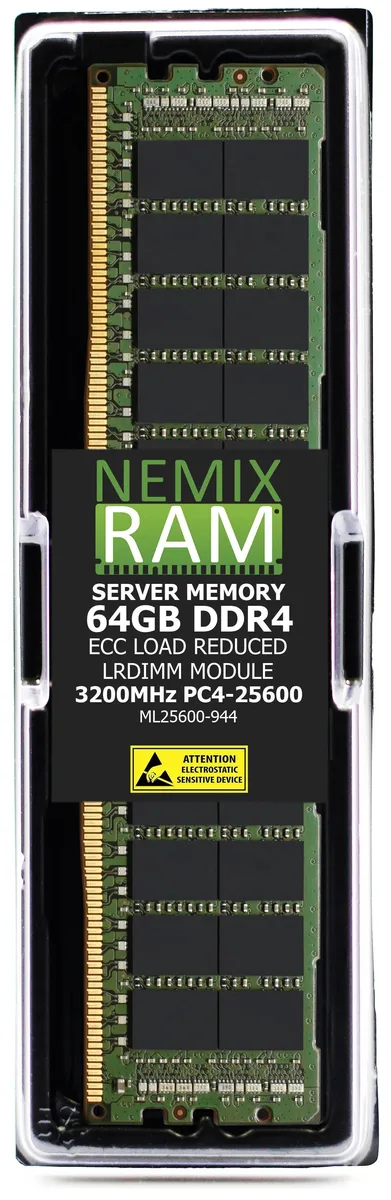
NEMIX RAM 64GB DDR4 3200 4Rx4 1.2V 288-PIN ECC LRDIMM server RAM
- DDR4 3200 (PC4 2560…
- 22
429,99 $US
0.00548422BTC
En stockNous acceptons la cryptomonnaie — les cryptos que vous détenez peuvent ainsi acheter du matériel réel.Payez en crypto, dépensez-la en matériel réel. Livraison assurée offerte partout dans le monde au-delà de 399 $. Cartons neutres, sans marque, expédiés depuis l’Allemagne.Livraison assurée offerte au-delà de 399 $. Votre taux est bloqué pendant 30 minutes dès l’ouverture de la caisse.Taux bloqué 30 minutes. Chaque article est scellé, son numéro de série est vérifié, et il est couvert par une garantie de 24 mois.Scellé, garanti 24 mois.


LORDWORLD
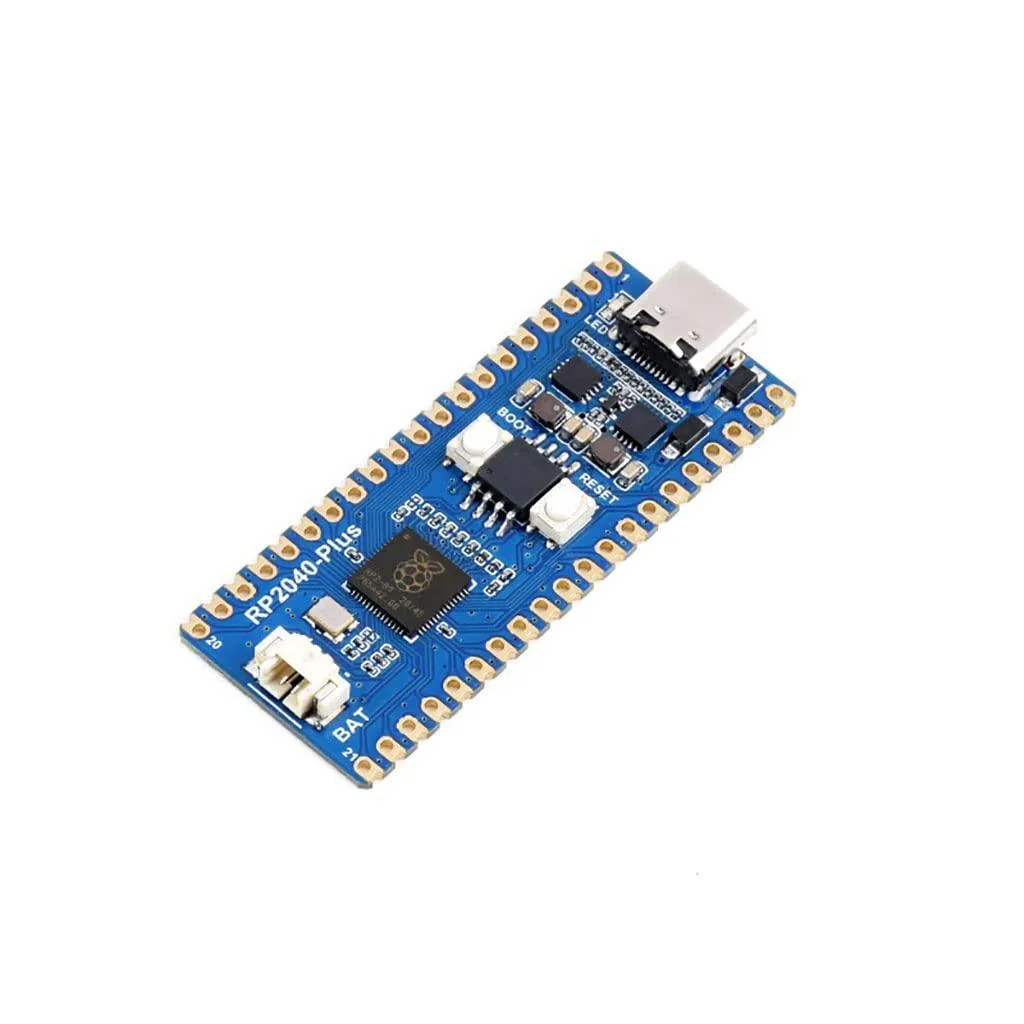
RP2040 dual-core microcontroller board with 133 MHz clock, 264 KB SRAM, 4 MB Flash, USB-C, lithium-battery header and castellated edges for direct soldering
The LORDWORLD RP2040-Plus is a development board built around the Raspberry Pi RP2040 microcontroller. It provides a dual-core Arm Cortex M0+ processor running up to 133 MHz with 264KB of SRAM and 4MB of on-board Flash memory. The board targets makers and engineers who need a compact, programmable platform for embedded projects. A USB-C connector simplifies power and data connections.
This board adds a lithium battery recharge and discharge header for portable operation. The onboard TPS63000 buck-boost regulator delivers up to 1.8A of current for efficient power management. USB 1.1 device and host support expands connectivity options beyond simple serial links. Low-power sleep and dormant modes extend battery life in remote sensing applications.
Castellated module edges allow the board to be soldered directly onto a carrier PCB for volume production. The USB-C port replaces older micro-USB interfaces for a more durable mechanical connection. The DC-DC chip handles a wide input voltage range without external components. Builders who need wireless connectivity or larger storage must add separate modules.
| Brand | LORDWORLD |
|---|
The board has castellated edges that match the Raspberry Pi Pico footprint, letting you solder it directly onto a carrier board without extra headers.
Solder the two-pin battery header before any side headers; use a fine tip and flux so the 1.8 A buck-boost chip pads stay clear of solder bridges.
The 4 MB flash is rated for many thousands of erase cycles, and the TPS63000 buck-boost regulator has no user-serviceable parts; inspect solder joints only if the board stops charging.
Également dans ce rayon
Même rayon, même caisse — huit monnaies et un taux bloqué 30 minutes.
Ce que vous envoyez, et ce dans quoi vous lisez les prix.
Envoyé depuis votre portefeuille à la caisse
Affichage seul — le catalogue est libellé en dollars
Aucune monnaie ne correspond.
Choisissez la langue dans laquelle le site vous parle.
Première visite ?
Vous avez déjà un compte ?
Il n’y a pas de réinitialisation automatique : cette boutique n’envoie aucun e-mail, il n’existe donc aucun lien à usage unique à demander. Laissez l’adresse sur le compte, elle sera traitée à la main.
Demande enregistrée
Rien n’arrivera dans votre boîte de réception — cette boutique n’envoie aucun e-mail. Quelqu’un s’en occupe à la main.
Vous l’avez retrouvé ?