NEMIX RAM
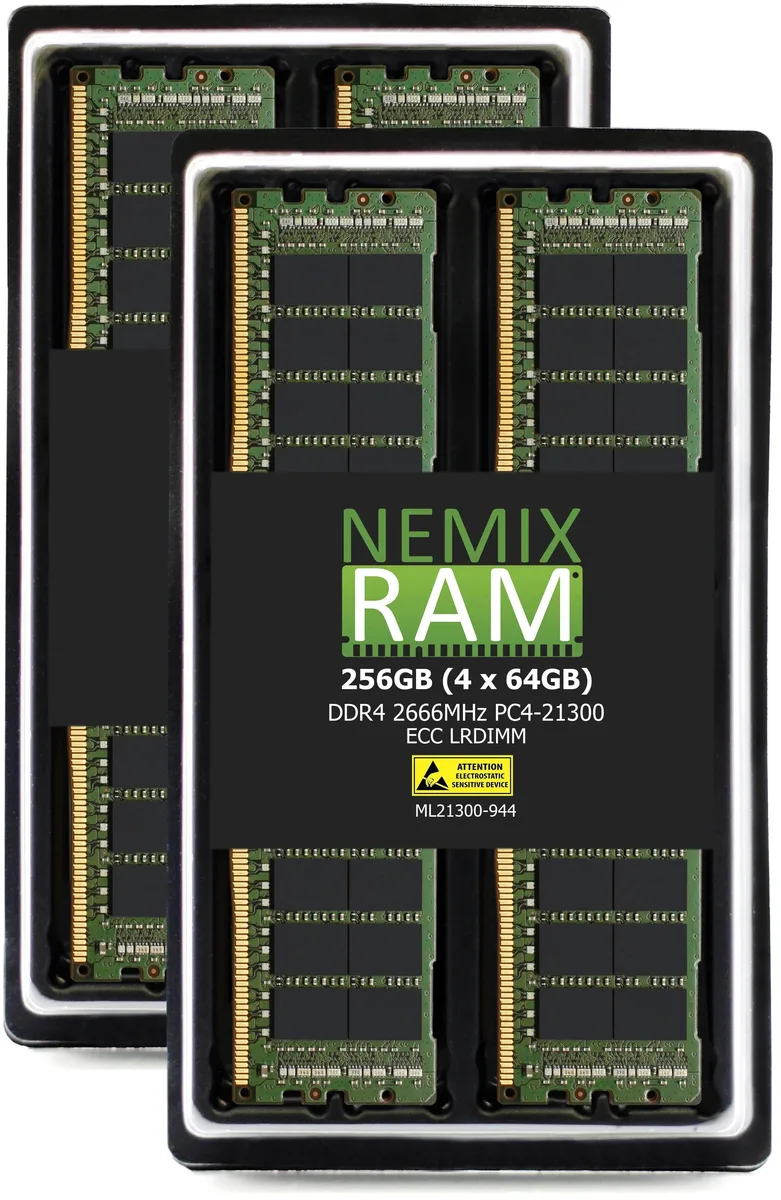
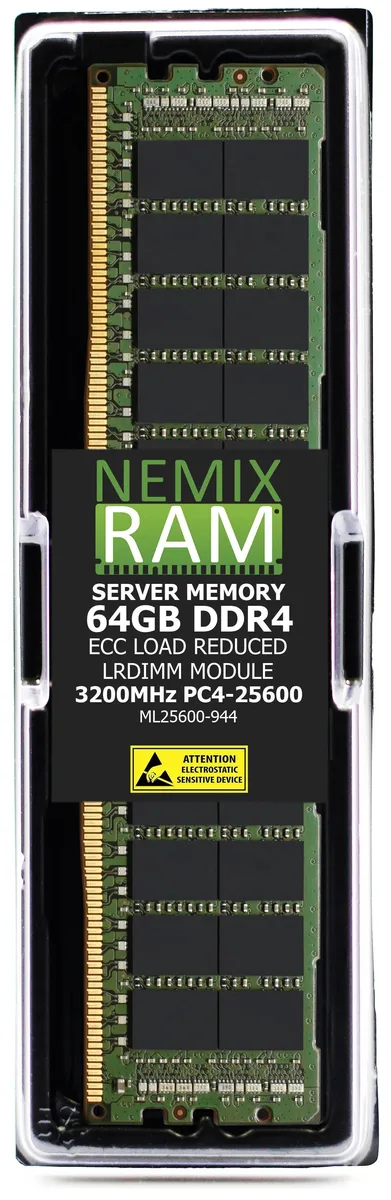
NEMIX RAM 64GB DDR4 3200 4Rx4 1.2V 288-PIN ECC LRDIMM server RAM
- DDR4 3200 (PC4 2560…
- 22
$429.99
0.00547925BTC
In stockWe take cryptocurrency — so the coins you hold can buy real hardware.Pay in crypto, spend it on real hardware. Free insured shipping worldwide over $399. Plain, unbranded boxes, sent from Germany.Free insured shipping over $399. Your rate is locked for 30 minutes once checkout opens.Rate locked 30 minutes. Every item sealed, serial-checked and covered by a 24-month warranty.Sealed, 24-month warranty.


LORDWORLD
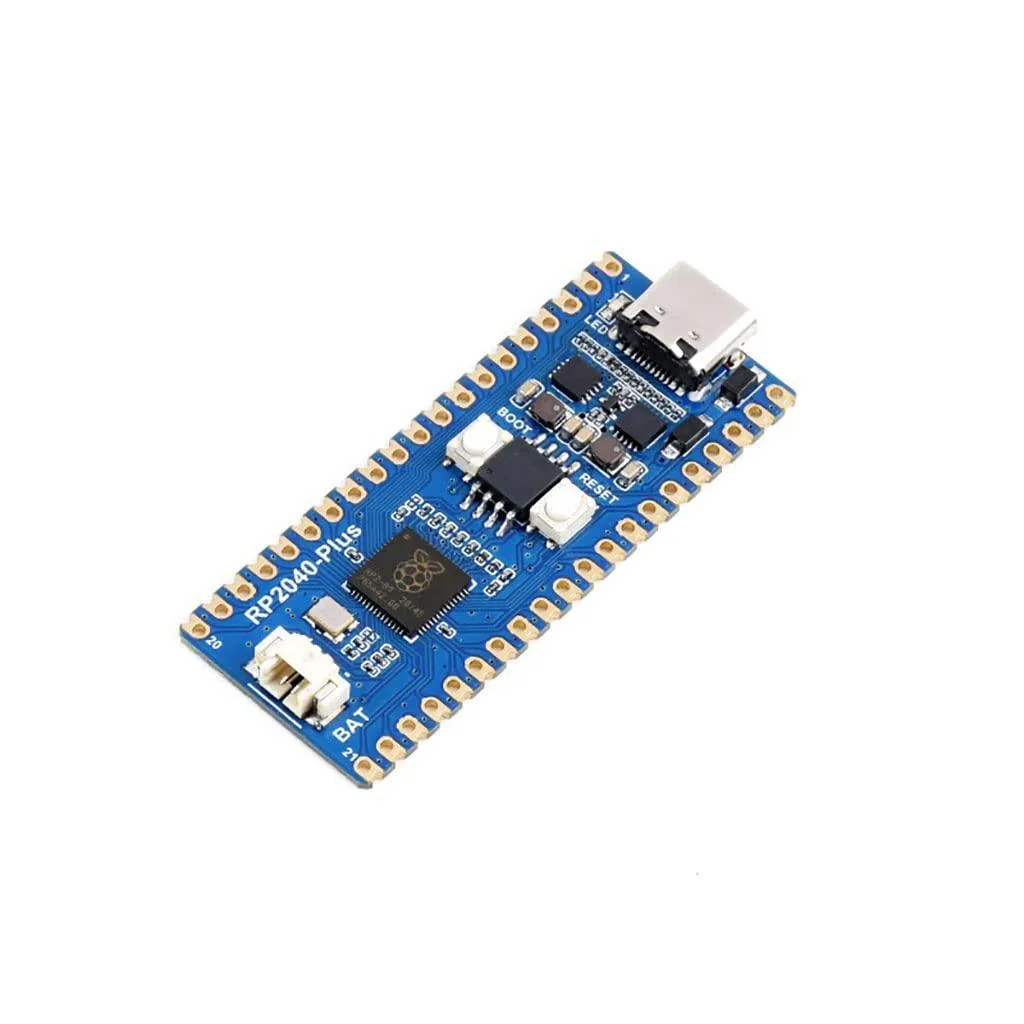
RP2040 dual-core microcontroller board with 133 MHz clock, 264 KB SRAM, 4 MB Flash, USB-C, lithium-battery header and castellated edges for direct soldering
The LORDWORLD RP2040-Plus is a development board built around the Raspberry Pi RP2040 microcontroller. It provides a dual-core Arm Cortex M0+ processor running up to 133 MHz with 264KB of SRAM and 4MB of on-board Flash memory. The board targets makers and engineers who need a compact, programmable platform for embedded projects. A USB-C connector simplifies power and data connections.
This board adds a lithium battery recharge and discharge header for portable operation. The onboard TPS63000 buck-boost regulator delivers up to 1.8A of current for efficient power management. USB 1.1 device and host support expands connectivity options beyond simple serial links. Low-power sleep and dormant modes extend battery life in remote sensing applications.
Castellated module edges allow the board to be soldered directly onto a carrier PCB for volume production. The USB-C port replaces older micro-USB interfaces for a more durable mechanical connection. The DC-DC chip handles a wide input voltage range without external components. Builders who need wireless connectivity or larger storage must add separate modules.
| Brand | LORDWORLD |
|---|
The board has castellated edges that match the Raspberry Pi Pico footprint, letting you solder it directly onto a carrier board without extra headers.
Solder the two-pin battery header before any side headers; use a fine tip and flux so the 1.8 A buck-boost chip pads stay clear of solder bridges.
The 4 MB flash is rated for many thousands of erase cycles, and the TPS63000 buck-boost regulator has no user-serviceable parts; inspect solder joints only if the board stops charging.
Also in this aisle
Same shelf, same checkout — eight coins and a 30-minute rate lock.
What you pay in, and what you read prices in.
Sent from your wallet at checkout
Display only — the catalogue is priced in USD
No currency matches that.
Pick the language the site speaks to you in.
New here?
Already have one?
There is no automatic reset: this shop sends no mail, so there is no one-time link to ask for. Leave the address on the account and it gets picked up by hand.
Request noted
Nothing is on its way to your inbox — this shop sends no mail at all. Someone picks these up by hand.
Remembered it?