

NEMIX RAM
NEMIX RAM DDR5-5600 2TB (16x128GB) ECC RDIMM CL46 1.1V Supermicro H14SST-G memory upgrade
- 2TB (16 x 128GB)
- 288-Pin DDR5 RDIMM
62.908,99 USD
0.7866377BTC
DisponibileAccettiamo criptovalute — così le crypto che Lei possiede possono comprare hardware reale.Paghi in crypto, la spenda in hardware reale. Spedizione assicurata gratuita in tutto il mondo oltre i 399 $. Cartoni neutri, senza marchio, spediti dalla Germania.Spedizione assicurata gratuita oltre i 399 $. Il Suo tasso resta bloccato per 30 minuti dall’apertura del checkout.Tasso bloccato 30 minuti. Ogni articolo è sigillato, il numero di serie è verificato, ed è coperto da una garanzia di 24 mesi.Sigillato, garantito 24 mesi.


LORDWORLD
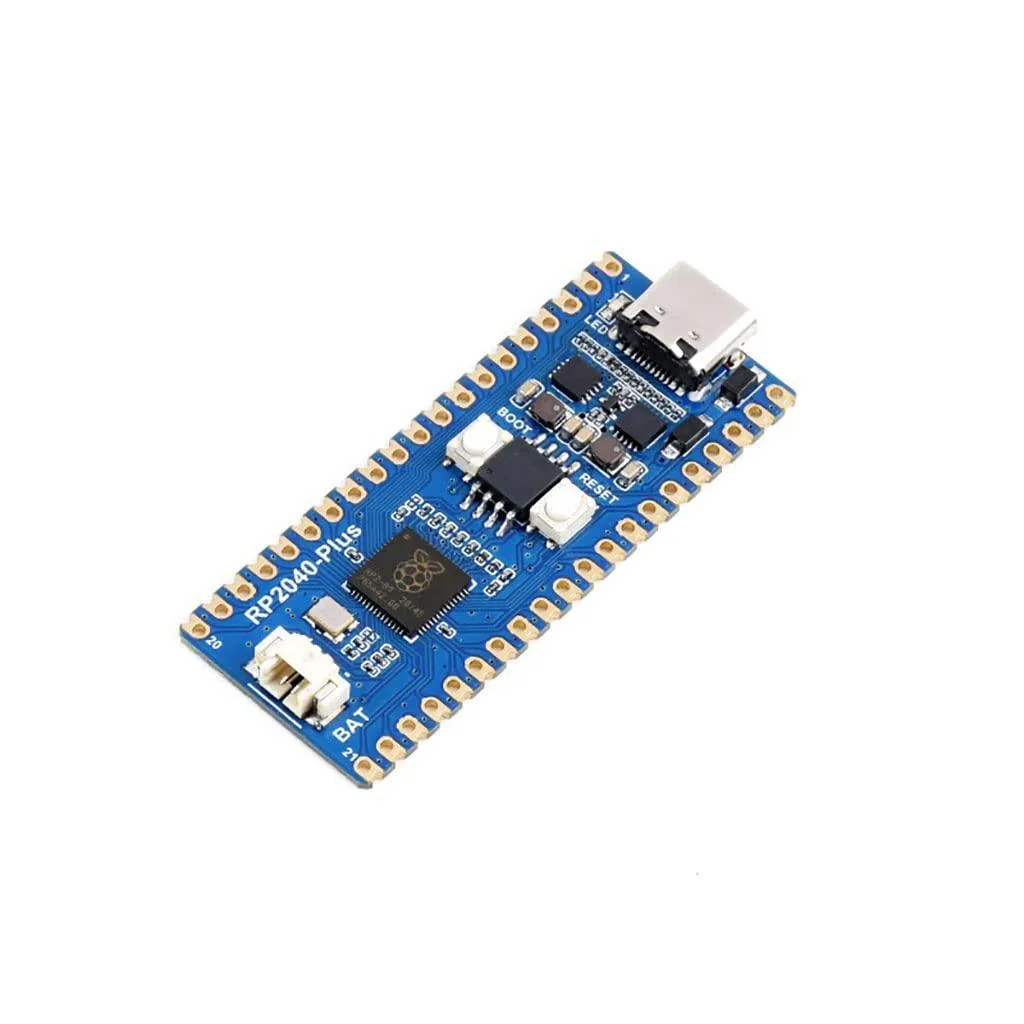
RP2040 dual-core microcontroller board with 133 MHz clock, 264 KB SRAM, 4 MB Flash, USB-C, lithium-battery header and castellated edges for direct soldering
The LORDWORLD RP2040-Plus is a development board built around the Raspberry Pi RP2040 microcontroller. It provides a dual-core Arm Cortex M0+ processor running up to 133 MHz with 264KB of SRAM and 4MB of on-board Flash memory. The board targets makers and engineers who need a compact, programmable platform for embedded projects. A USB-C connector simplifies power and data connections.
This board adds a lithium battery recharge and discharge header for portable operation. The onboard TPS63000 buck-boost regulator delivers up to 1.8A of current for efficient power management. USB 1.1 device and host support expands connectivity options beyond simple serial links. Low-power sleep and dormant modes extend battery life in remote sensing applications.
Castellated module edges allow the board to be soldered directly onto a carrier PCB for volume production. The USB-C port replaces older micro-USB interfaces for a more durable mechanical connection. The DC-DC chip handles a wide input voltage range without external components. Builders who need wireless connectivity or larger storage must add separate modules.
| Brand | LORDWORLD |
|---|
The board has castellated edges that match the Raspberry Pi Pico footprint, letting you solder it directly onto a carrier board without extra headers.
Solder the two-pin battery header before any side headers; use a fine tip and flux so the 1.8 A buck-boost chip pads stay clear of solder bridges.
The 4 MB flash is rated for many thousands of erase cycles, and the TPS63000 buck-boost regulator has no user-serviceable parts; inspect solder joints only if the board stops charging.
Anche in questo reparto
Stesso reparto, stessa cassa — otto monete e un cambio bloccato per 30 minuti.
Cosa invia per pagare, e in quale valuta legge i prezzi.
Inviato dal Suo portafoglio alla cassa
Solo a titolo indicativo — il catalogo è espresso in dollari
Nessuna valuta corrisponde.
Scelga la lingua in cui il sito Le parla.
Prima visita?
Ne ha già uno?
Non esiste un ripristino automatico: questo negozio non invia e-mail, quindi non esiste alcun link monouso da richiedere. Lasci l’indirizzo sull’account: verrà gestito manualmente.
Richiesta registrata
Non arriverà nulla nella Sua casella di posta — questo negozio non invia e-mail. Qualcuno se ne occupa manualmente.
L’ha ritrovata?


