

NEMIX RAM
NEMIX RAM DDR5-5600 2TB (16x128GB) ECC RDIMM CL46 1.1V Supermicro H14SST-G memory upgrade
- 2TB (16 x 128GB)
- 288-Pin DDR5 RDIMM
62 908,99 USD
0.78597921BTC
DostępnyAkceptujemy kryptowaluty — posiadane środki można więc wykorzystać na zakup prawdziwego sprzętu.Płatność kryptowalutą — realny sprzęt w zamian. Bezpłatna, ubezpieczona dostawa na całym świecie powyżej 399 $. Neutralne kartony, bez oznaczeń, wysyłane z Niemiec.Bezpłatna, ubezpieczona dostawa powyżej 399 $. Kurs zostaje zablokowany na 30 minut od otwarcia kasy.Kurs zablokowany na 30 minut. Każdy produkt jest fabrycznie zapieczętowany, jego numer seryjny jest sprawdzany, a całość objęta jest 24-miesięczną gwarancją.Zapieczętowane fabrycznie, 24 miesiące gwarancji.
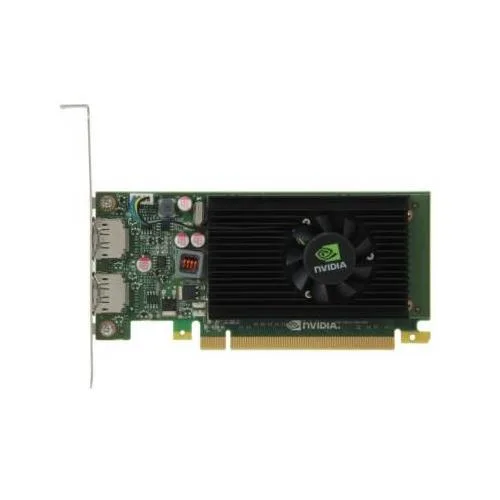


PNY Technologies, Inc.
Entry workstation graphics card with 48 CUDA cores and 512MB DDR3 memory driving two displays at 2560 x 1600 via DisplayPort
The PNY Quadro NVS 310 is a low-profile workstation graphics card built for professionals who need two digital displays from a single PCI Express 2.0 x16 slot. It suits office productivity, financial trading desks and digital signage where 3D performance is not the priority. Buyers who need hardware-accelerated 3D rendering, GPU compute or more than two monitors should choose a different card.
The card uses a compact fan cooler that keeps the GPU within spec during typical 2D workloads such as spreadsheets, video playback and multiple browser windows. Power draw stays low because the 48 CUDA cores and 64-bit memory bus are sized for display output rather than heavy compute. Acoustic output is modest in a standard workstation chassis; the fan becomes audible only under sustained load.
The 512 MB DDR3 memory capacity and 64-bit interface set a hard ceiling on texture size, resolution and the number of accelerated applications that can run simultaneously. Maximum digital resolution is 2560 x 1600 at 60 Hz per DisplayPort, and the board includes two DisplayPort to DVI-D single-link adapters. If your workflow needs larger frame buffers or higher bandwidth, this specification makes the card unsuitable.
| Brand | PNY |
|---|---|
| Model | VCNVS310DVI-PB |
| Interface | PCI Express 2.0 x16 |
| Chipset Manufacturer | NVIDIA |
| GPU | Quadro NVS 310 |
| CUDA Cores | 48 |
| Memory Size | 512MB |
| Memory Interface | 64-bit |
| Memory Type | DDR3 |
| DirectX | DirectX 11 |
| OpenGL | OpenGL 4.1 |
| DisplayPort | 2 |
| RAMDAC | 400 MHz |
| Digital Resolution | Maximum DP Digital Resolution: 2560 x 1600 at 60Hz |
| Max Displays Per Board | 2 |
| Cooler | With Fan |
| Operating Systems Supported | Windows 7, Vista, XP SP3, Linux, or Solaris |
| System Requirements | PCIe x16 expansion slot |
| Features | Fast 512 MB DDR3 graphics memory |
| Package Contents | Included 2 DisplayPort to DVI-D single-link adapters. |
Align the card with the PCI Express 2.0 x16 slot, press firmly until seated, and secure the low-profile bracket with the case screw; the step often missed is swapping the full-height bracket for the included low-profile one before insertion.
The onboard fan should be cleaned with compressed air every few months to prevent dust build-up; the 512MB DDR3 memory and GPU are not user-serviceable, so no further maintenance is required.
The 64-bit memory interface and 512MB DDR3 frame buffer saturate first, capping sustained 3D throughput before the GPU core reaches its thermal ceiling.
Także w tym dziale
Ten sam dział, ta sama kasa — osiem kryptowalut i 30-minutowa blokada kursu.
Waluta płatności i waluta wyświetlania cen.
Wysyłane z portfela przy kasie
Tylko podgląd — katalog wyceniony jest w dolarach
Brak pasującej waluty.
Wybierz język, w którym wyświetla się strona.
Pierwsza wizyta?
Konto już założone?
Nie ma automatycznego resetowania hasła: ten sklep nie wysyła żadnych e-maili, więc nie ma jednorazowego linku, o który można by poprosić. Adres pozostawiony przy koncie zostanie obsłużony ręcznie.
Zgłoszenie zapisane
Do skrzynki odbiorczej nic nie trafi — ten sklep nie wysyła żadnych e-maili. Zgłoszenia są obsługiwane ręcznie.
Hasło się przypomniało?


