SanDisk
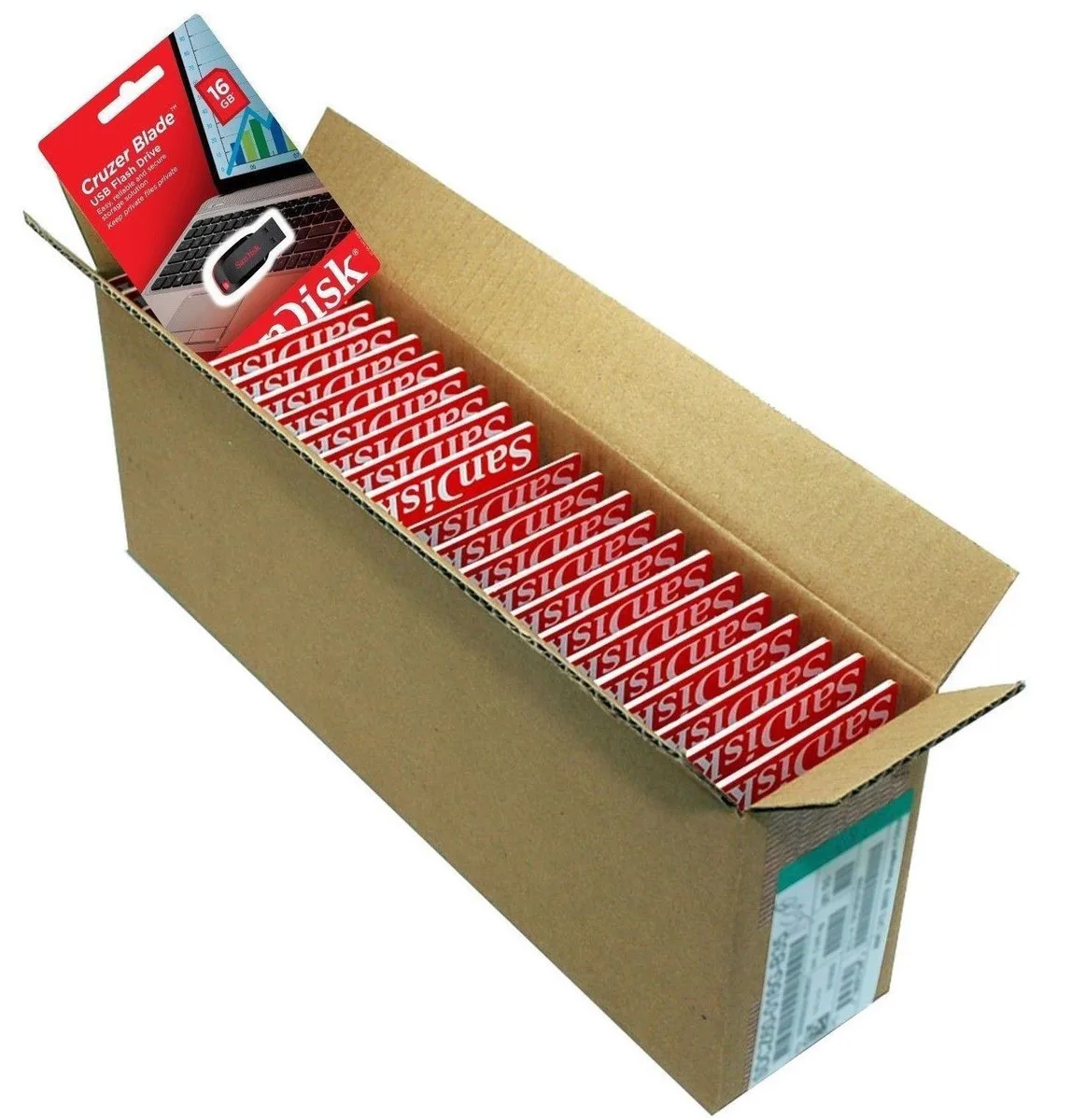
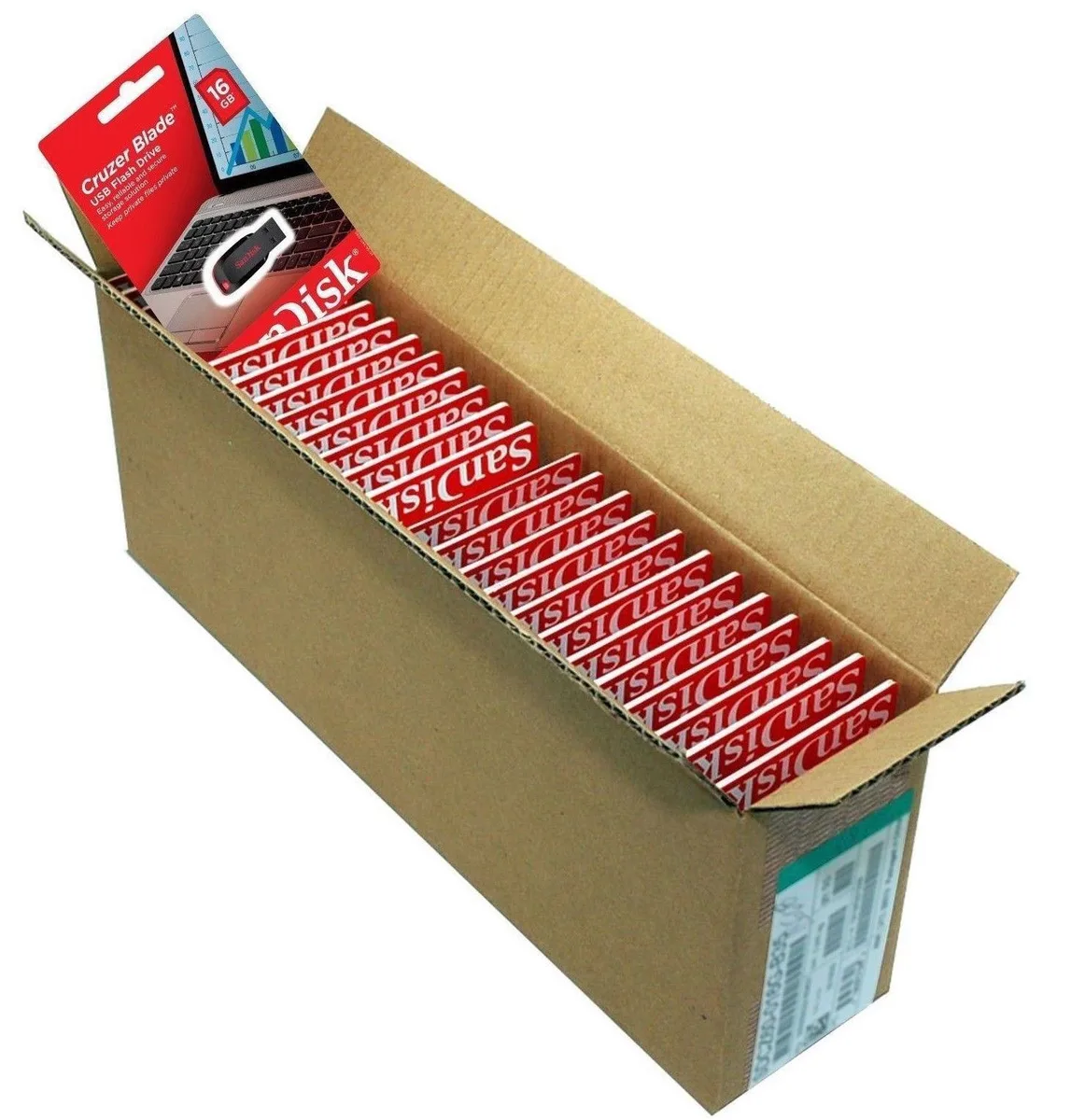
SanDisk Cruzer Blade 8 GB USB 2.0 USB flash drive Black SDCZ50-008G-B35
$391.99
0.00501587BTC
在庫あり


Pimoroni
Development board with dual Arm Cortex-M33 cores at 150 MHz, 16 MB flash, 8 MB PSRAM, USB-C, Qw/ST, SP/CE and debug connectors
Name Pico Plus 2
取り消し線の付いたバージョンは存在しますが、こちらでは取り扱っていません。
The Pimoroni Pico Plus 2 is a microcontroller board built around the RP2350B dual Arm Cortex M33 processor running at up to 150MHz with 520KB of SRAM. It targets makers and engineers who need generous on-board storage and quick peripheral expansion without soldering.
A Qw/ST (Qwiic/STEMMA QT) port allows plug-and-play attachment of I2C sensors and breakouts via cable. An SP/CE connector provides a similar cable-based route for SPI or serial devices. A 3-pin JST-SH debug connector supports SWD debugging, while onboard reset and BOOT buttons add convenient control.
The board provides 16MB of QSPI flash memory supporting execute-in-place operation alongside 8MB of PSRAM. This combination determines whether the available non-volatile storage and volatile workspace meet the firmware footprint and runtime buffer requirements of a given project.
この商品の仕様はまだ公開されていません。
The 16MB QSPI flash supports execute-in-place operation and is rated for typical microcontroller endurance; normal development use will not wear it out.
The 520KB of on-chip SRAM and thermal envelope of the RP2350B package are the first constraints under heavy continuous load.
The RP2350B draws modest current at 150MHz, so the board stays cool and runs from a standard USB-C supply without extra cooling.
同じ売り場の商品
同じ売り場、同じレジ — 8種類のコインと30分間のレートロック。
お支払いに使うコインと、価格表示に使う通貨です。
チェックアウト時にウォレットから送信されます。
表示のみ—カタログの価格は米ドル建てです。
該当する通貨がありません。
サイトの表示言語を選択してください。
一致する言語がありません。
初めてのご利用ですか?
すでにお持ちですか?
自動的な再設定はありません。当店はメールを送信しないため、ワンタイムリンクをお送りすることもできません。アカウントにメールアドレスを残しておいていただければ、担当者が手作業で確認いたします。
リクエストを受け付けました
受信箱に何かが届くことはありません — 当店はメールを一切送信していません。担当者が手作業で確認いたします。
思い出しましたか?