BFKK
BFKK 3U Rackmount Server Chassis EATX/ATX/MATX 4x5.25 6x3.5 Top/Side Cooling
- Rackmount
$214.99
0.00276205BTC
在庫あり


YINGHUA
A 128 MB FPGA expansion kit with USB 2.1 hub, IO board and metal case for Terasic DE10-Nano Mister systems
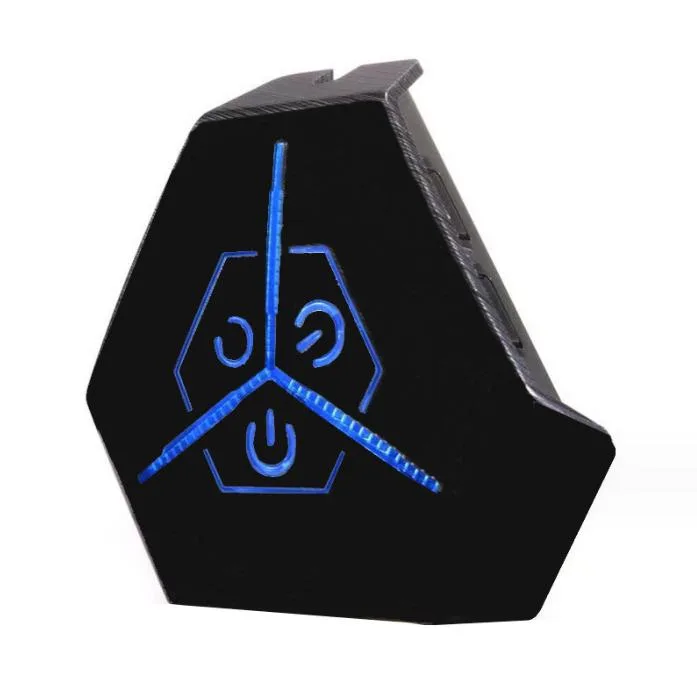
This kit bundles a Mister FPGA 128MB Motherboard V2.9, a USB Hub V2.1 based on the FE 2.1 chip, and a DIY metal case. It is designed for builders assembling a MiSTer system around a Terasic DE10-Nano board.
The IO board adds VGA output, a 3.5 mm audio jack with TOSLink, three buttons, three status LEDs, a secondary SD card slot, a cooling fan, and an expansion connector using a USB 3.0 form factor. The USB hub provides extra ports and an upstream micro-USB connection with 5V DC input.
This hardware is made exclusively for the Terasic DE10-Nano SoC and the MiSTer FPGA platform. It will not function as a general-purpose server motherboard or fit other development boards.
| CPU Type | Intel Atom |
|---|
The upstream micro-USB port on the hub bridges directly to the DE10-Nano SoC board, so no additional cables are required for the connection.
The fan cools the FPGA and should be cleaned periodically to prevent dust build-up that reduces airflow and cooling efficiency.
Thermal limits on the FPGA appear first; the included fan on the IO board is intended to keep temperatures in check during extended use.
同じ売り場の商品
同じ売り場、同じレジ — 8種類のコインと30分間のレートロック。
お支払いに使うコインと、価格表示に使う通貨です。
チェックアウト時にウォレットから送信されます。
表示のみ—カタログの価格は米ドル建てです。
該当する通貨がありません。
サイトの表示言語を選択してください。
一致する言語がありません。
初めてのご利用ですか?
すでにお持ちですか?
自動的な再設定はありません。当店はメールを送信しないため、ワンタイムリンクをお送りすることもできません。アカウントにメールアドレスを残しておいていただければ、担当者が手作業で確認いたします。
リクエストを受け付けました
受信箱に何かが届くことはありません — 当店はメールを一切送信していません。担当者が手作業で確認いたします。
思い出しましたか?