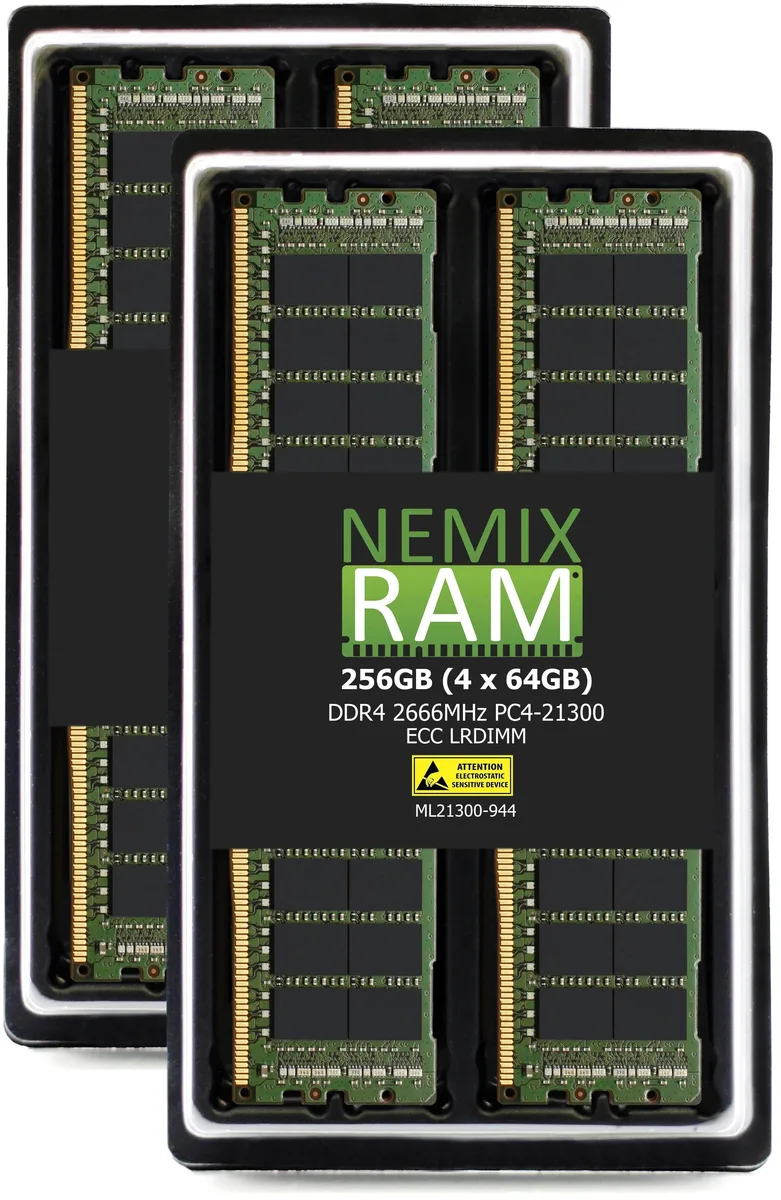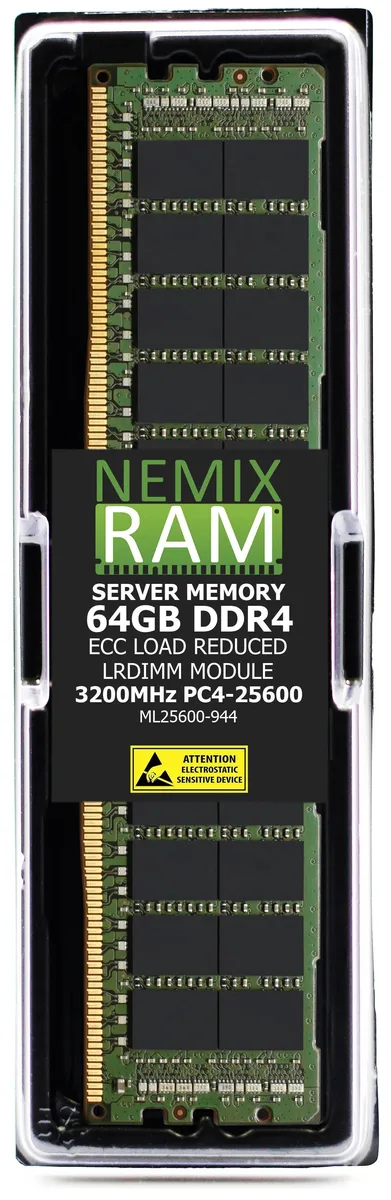
NEMIX RAM
NEMIX RAM 64GB DDR4 3200 4Rx4 1.2V 288-PIN ECC LRDIMM server RAM
- DDR4 3200 (PC4 2560…
- 22
$429.99
0.00548422BTC
In stockWe take cryptocurrency — so the coins you hold can buy real hardware.Pay in crypto, spend it on real hardware. Free insured shipping worldwide over $399. Plain, unbranded boxes, sent from Germany.Free insured shipping over $399. Your rate is locked for 30 minutes once checkout opens.Rate locked 30 minutes. Every item sealed, serial-checked and covered by a 24-month warranty.Sealed, 24-month warranty.


LORDWORLD
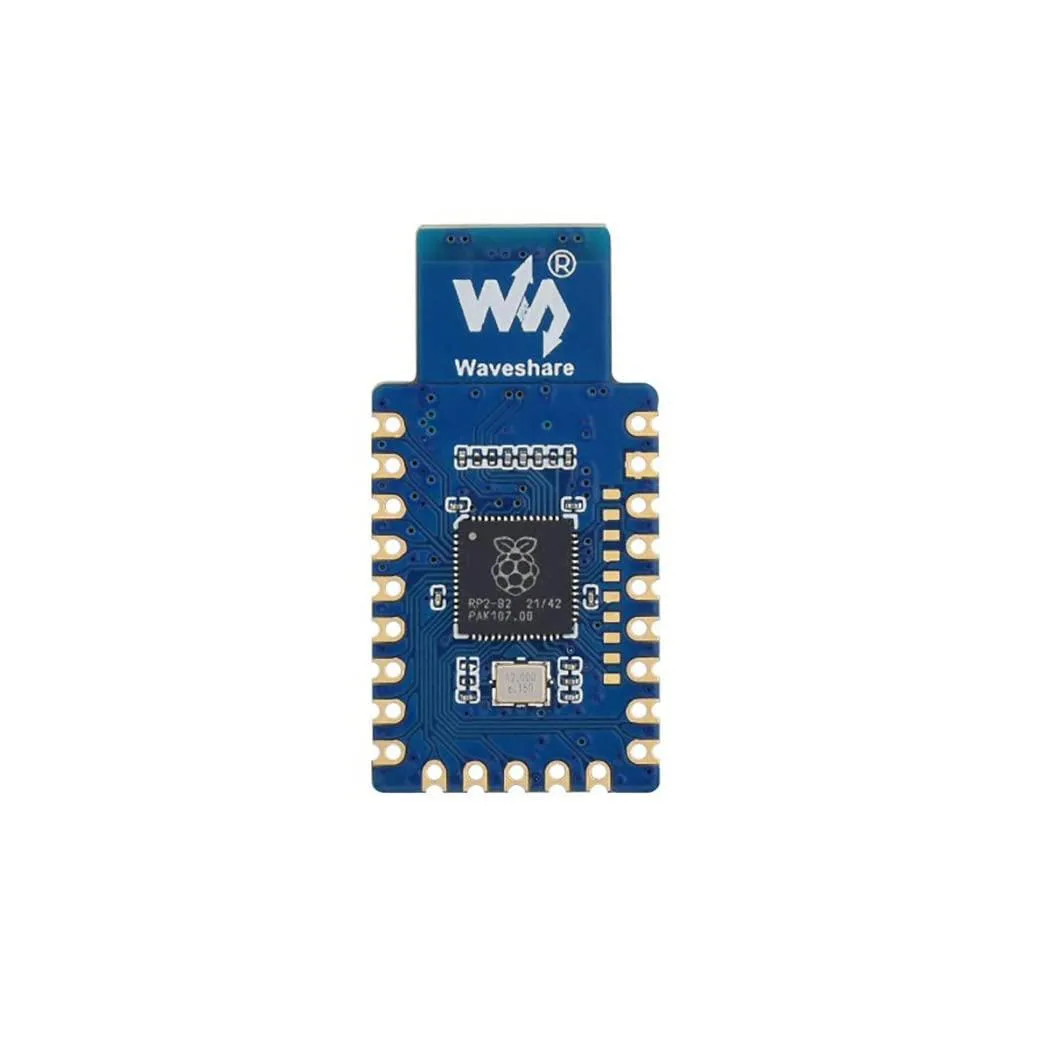
Dual-core RP2040 microcontroller board with 4MB Flash, 264KB SRAM, 29 GPIO pins, castellated edges for direct soldering, and USB 1.1 drag-and-drop programming
The LORDWORLD RP2040-One is a development board built around the Raspberry Pi RP2040 microcontroller chip. It features a dual-core Arm Cortex-M0+ processor running up to 133 MHz with 264KB of SRAM and 4MB of on-board Flash memory. The castellated module design allows the board to be soldered directly onto carrier boards for embedded integration.
This board suits developers creating surface-mount applications who need drag-and-drop programming via USB mass storage. It also fits low-power designs that use sleep and dormant modes. Builders requiring wireless connectivity such as Wi-Fi or Bluetooth should look elsewhere, as the board provides only wired USB 1.1 and GPIO interfaces. Projects needing more than 4MB of Flash storage or a different processor architecture will need alternative hardware.
The castellated edges enable direct soldering to a custom carrier PCB, freeing up space by eliminating pin headers and sockets. The USB 1.1 port provides both device and host support for peripheral communication or firmware updates. With 29 multi-function GPIO pins — 20 accessible via the edge pinout and the rest via solder points — the board connects to 2 SPI, 2 I2C, 2 UART, 4 ADC channels, and 16 PWM channels for sensors, actuators, and displays.
| Brand | LORDWORLD |
|---|
A USB 1.1 port on your computer provides both power and the mass-storage programming interface.
The castellated module is designed for direct SMD soldering to carrier boards, not for plugging into standard 0.1-inch headers.
After the board remounts as a mass-storage device, the on-board LED connected to a GPIO pin will blink or stay lit if the flashed program drives it.
Also in this aisle
Same shelf, same checkout — eight coins and a 30-minute rate lock.
What you pay in, and what you read prices in.
Sent from your wallet at checkout
Display only — the catalogue is priced in USD
No currency matches that.
Pick the language the site speaks to you in.
New here?
Already have one?
There is no automatic reset: this shop sends no mail, so there is no one-time link to ask for. Leave the address on the account and it gets picked up by hand.
Request noted
Nothing is on its way to your inbox — this shop sends no mail at all. Someone picks these up by hand.
Remembered it?