Seagate
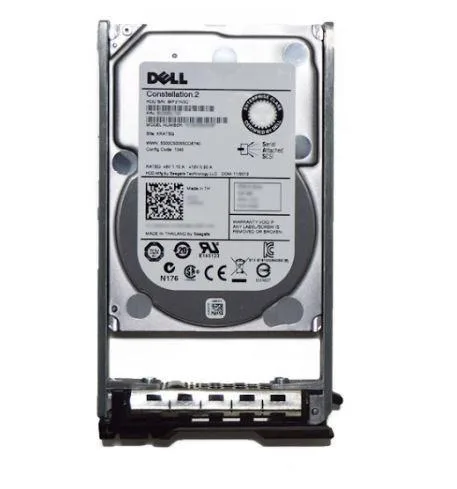
Seagate Cheetah NS ST3400755SSProduct 400 GB 3.5" SAS internal hard drive
A 400 GB 3.5-inch SAS internal hard drive spinning at 10075 rpm with a 16 MB buffer
- NAND Flash Memory TypeSLC
- 400 GB capacity stores large datasets
- 10075 RPM spindle speed accelerates data access
- 16 MB buffer smooths burst workloads
- SAS 3Gb/s interface enables hot-swap flexibility
- 50 lb 3.5" form factor fits standard bays
Enterprise Storage Drive
The Seagate Cheetah NS ST3400755SS is a 400 GB 3.5 inch internal hard drive with a SAS 3Gb/s interface. It operates at 10075 rpm and includes a 16 MB buffer for enterprise workloads. The drive is hot-swappable and weighs approximately 1.50 lb.
Suited For High-Capacity Arrays
This drive suits storage arrays needing higher capacity and lower power draw than 15K rpm models. It is not for systems requiring the lowest latency or highest random IOPS. Buyers needing faster spindle speeds or larger buffers should evaluate alternatives.
SAS 3Gb/s Interface Decides Fit
The single specification that decides compatibility is the SAS 3Gb/s interface standard. Your controller or backplane must support this exact interface for the drive to function. Verify the interface match before purchase.
Highlights
- 400 GB capacity stores large datasets
- 10075 RPM spindle speed accelerates data access
- 16 MB buffer smooths burst workloads
- SAS 3Gb/s interface enables hot-swap flexibility
- 50 lb 3.5" form factor fits standard bays
Specifications
| Brand | Seagate |
|---|---|
| NAND Flash Memory Type | SLC |
Questions about this item
Does my system need a 3 Gb/s SAS controller for this 400 GB Cheetah NS?
Yes, the drive uses a 3Gb/s SAS interface, so the host controller or backplane must support that speed.
Will the 10075 rpm spindle speed cause vibration issues in a chassis designed for slower drives?
The 10075 rpm spindle and 1.50 lb weight are typical for enterprise 3.5" drives; most server chassis with proper mounting handle the vibration without extra measures.
How can I verify the 16 MB buffer is active after installation?
Check the drive’s reported cache size in the RAID controller BIOS or OS disk utility — it should show 16 MB.
Also in this aisle
People compared these
Same shelf, same checkout — eight coins and a 30-minute rate lock.