SanDisk
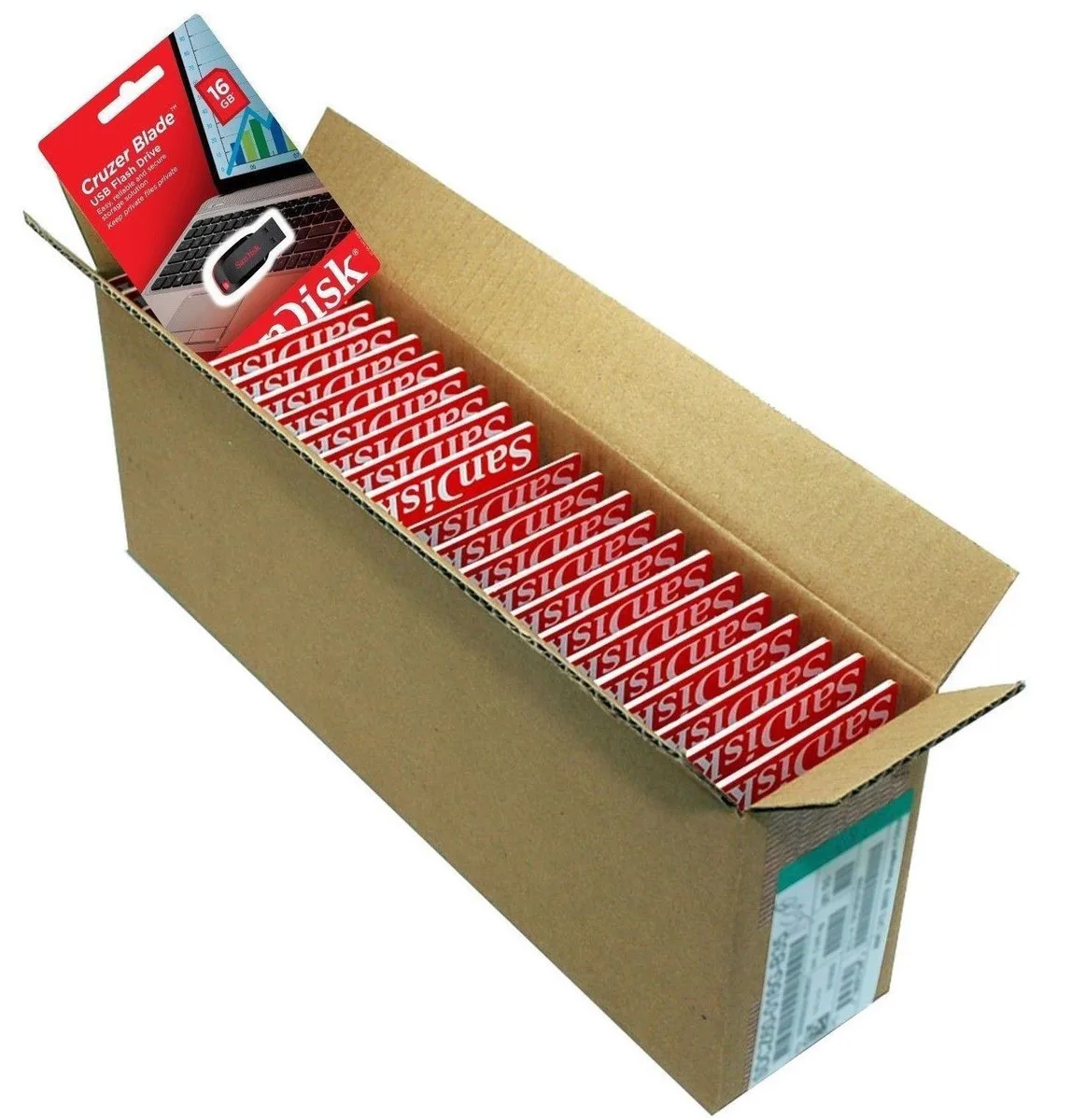
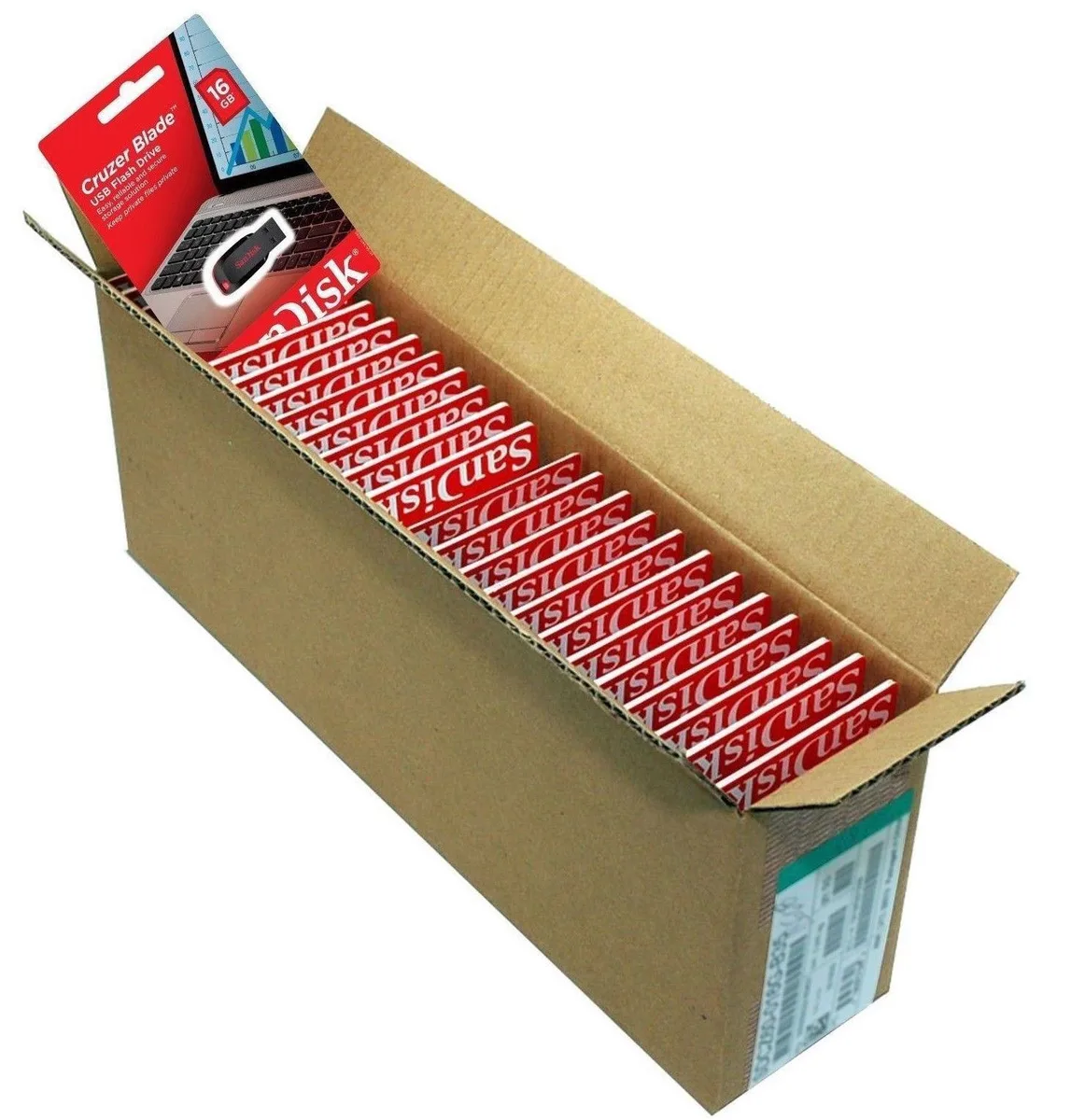
SanDisk Cruzer Blade 8 GB USB 2.0 USB flash drive Black SDCZ50-008G-B35
391,99 US$
0.005016BTC
Em stockAceitamos criptomoeda — para que as moedas que detém possam comprar material informático real.Pague em cripto, gaste-a em material informático real. Envio seguro gratuito para todo o mundo acima de 399 $. Caixas neutras, sem marca, expedidas a partir da Alemanha.Envio seguro gratuito acima de 399 $. A sua taxa fica bloqueada durante 30 minutos assim que abre a finalização da compra.Taxa bloqueada 30 minutos. Cada artigo é selado, o seu número de série é verificado, e está coberto por uma garantia de 24 meses.Selado, garantido 24 meses.


LORDWORLD
Compact base board with standard CM5 socket and 40-pin GPIO for evaluating or integrating Raspberry Pi Compute Module 5 Lite and eMMC modules
This compact carrier board accepts a Raspberry Pi Compute Module 5 and breaks out its interfaces for development. It targets engineers who need a small platform to test CM5 firmware or to embed the module inside a finished product.
The board replaces ad-hoc wiring looms and generic breakout boards that developers often assemble by hand. The jump is worth it when a repeatable, credit-card sized platform with a standard CM5 socket and colour-coded 40-pin GPIO header reduces bring-up time.
The CM5 module presses vertically into the keyed socket and locks without tools. What usually goes wrong is misaligning the high-density connector pins or applying uneven pressure, which can bend contacts on the module or the carrier.
| Brand | LORDWORLD |
|---|
The board matches a credit card footprint; drill mounting holes to that outline and leave clearance for the 40-pin GPIO header and the CM5 socket on the underside.
Align the module's connector with the standard CM5 socket, press firmly until the latches click, and verify the 40-pin GPIO header sits facing the same direction as the module's label side.
The standard CM5 socket and the 40-pin GPIO header endure the most insertion cycles; keep spares of both if you plan frequent Compute Module 5 changes.
Também nesta secção
Mesma prateleira, mesma finalização da compra — oito moedas e uma taxa bloqueada durante 30 minutos.
O que paga, e a moeda em que vê os preços.
Enviado da sua carteira ao finalizar a compra
Apenas informativo — o catálogo está em dólares
Nenhuma moeda corresponde.
Escolha o idioma em que o site lhe fala.
Nenhum idioma corresponde.
Ainda não tem conta?
Já tem conta?
Não existe reposição automática: esta loja não envia qualquer e-mail, pelo que não há nenhum link de utilização única para pedir. Deixe o endereço na conta e ele será tratado manualmente.
Pedido registado
Não vai chegar nada à sua caixa de entrada — esta loja não envia qualquer e-mail. Alguém trata disto manualmente.
Recordou-se dela?