SanDisk
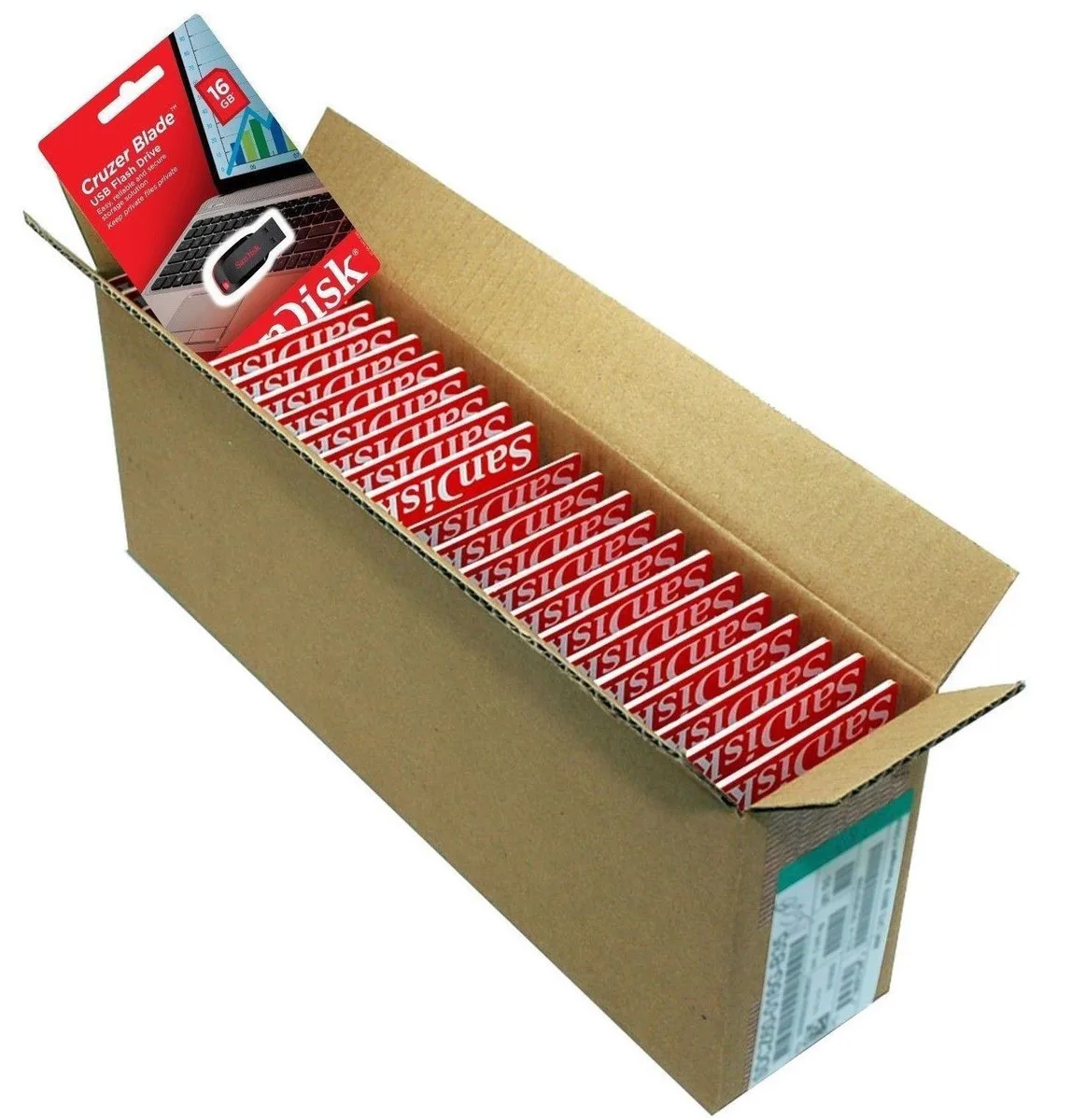
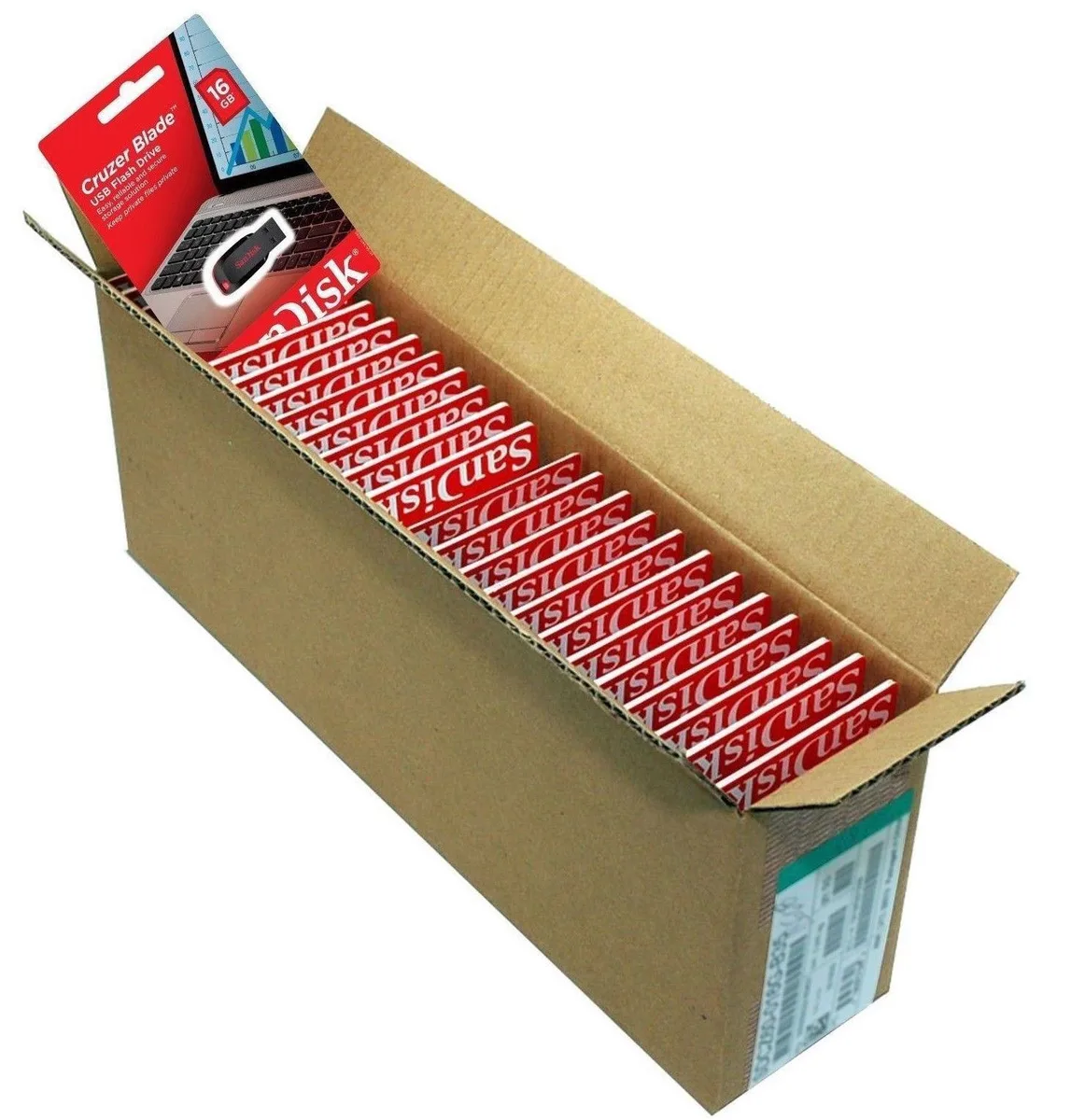
SanDisk Cruzer Blade 8 GB USB 2.0 USB flash drive Black SDCZ50-008G-B35
US$391.99
0.00501503BTC
現貨


LORDWORLD
Three-axis BMM150 magnetometer board with I2C or SPI interface, 3.3 V/5 V logic compatibility and example code for Raspberry Pi, Pico, Arduino and ESP32
The LORDWORLD BMM150 adds three-axis magnetic sensing to a Raspberry Pi, Pico or ESP32 project. It communicates over I2C by default and can be switched to SPI by changing an onboard resistor. An integrated level translator makes the module safe for both 3.3 V and 5 V logic rails.
Robotics, drone and navigation prototypes that require a digital compass will find the sensor ready to use with supplied example code. Projects that demand a calibrated 9-axis IMU or built-in sensor fusion should look at a different module.
The single specification that decides fit is the dual-protocol interface selectable via an onboard resistor, letting the board match the host controller’s preferred bus without extra wiring.
| Brand | LORDWORLD |
|---|
The board uses the standard BMM150 I2C address; check your existing sensors' datasheets to confirm no address collision occurs on the shared bus.
Run the provided example sketch; the serial monitor should output changing X, Y, Z microtesla values that rotate smoothly when you turn the board.
The board ships as a bare PCB with plated through-holes; you must supply your own headers, jumper wires or soldered leads.
同類商品
同一分類,同一套結帳流程 — 支援八種加密貨幣,匯率鎖定 30 分鐘。
您支付所用的幣種,以及查看價格所用的貨幣。
結帳時由您的錢包發送
僅供顯示 — 商品目錄以美元計價
查無符合的貨幣。
請選擇網站使用的語言。
查無符合的語言。
初次造訪?
已經有帳戶了嗎?
本店沒有自動重設密碼的機制:由於不寄送電子郵件,也就沒有一次性連結可供申請。只要將地址留在帳戶中,之後將由專人處理。
請求已收到
不會有任何郵件寄到您的信箱 — 本商店完全不寄送電子郵件。會有人親自處理這些申請。
想起來了嗎?